

Blog
Why Thighs Chafe During Exercise and Daily Life

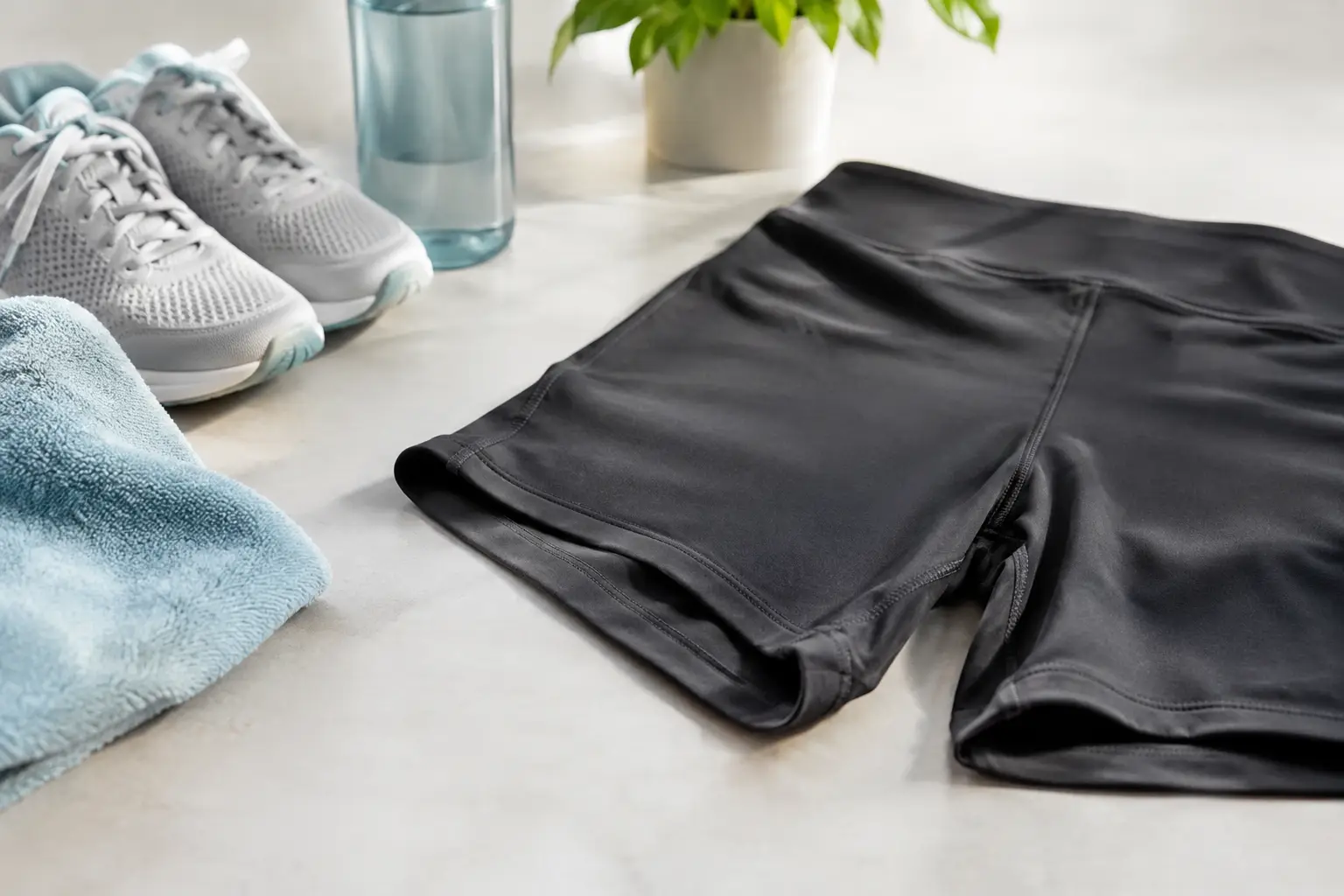
The first warning is often easy to ignore: a warm, slightly tender patch on your inner thigh halfway through a run, a long walk, or a humid day in shorts. Keep moving and that mild rubbing can quickly become burning, raw skin that makes every step feel like work. Understanding why thighs chafe gives you a far better chance of stopping it before it sidelines your plans.
Thigh chafing is not a fitness failure, a body-shape issue, or something reserved for endurance athletes. It is a friction problem. When skin, fabric, sweat and repeated movement meet in the same place for long enough, irritation is the predictable result. The good news is that friction can be managed with a few practical adjustments and a reliable protective routine.
Why Thighs Chafe in the First Place
Your thighs move independently as you walk, run, climb, cycle, train or simply go about your day. If the inner thighs touch, or if a seam repeatedly moves across the area, each stride creates a small amount of rubbing. On its own, one stride is nothing. Multiply it by thousands and the outer layer of skin can become inflamed.
Sweat makes that process more likely. Damp skin is softer and less resistant to repeated friction, while salt left behind as sweat dries can add further irritation. That is why chafing often appears on warm-weather runs, long hikes, busy travel days and hard gym sessions, even when the same route or outfit felt fine in cooler conditions.
Heat also plays a part. Higher temperatures increase sweating, and close-fitting clothing can trap warmth and moisture against the skin. Add a long period of movement and the conditions are ideal for rubbing to turn into soreness.
It is about contact, not a particular body type
People of every size experience thigh chafing. Some have thighs that naturally touch; others chafe because loose shorts ride up, cycling kit has a rough seam, or wet swimwear rubs on a long walk from the beach. Muscular legs can chafe, as can legs that rarely touch during normal walking but do during running or hill climbing.
The key factor is repeated contact. Your gait, pace, training volume, clothing and weather can all change how much contact happens on a given day. A runner increasing from 5K sessions to longer distances may notice chafing for the first time, simply because their skin is being exposed to more repetitions.
Clothing can help or make it worse
Fabric is often the difference between a comfortable session and an uncomfortable one. Cotton may feel soft at the start, but it absorbs moisture and can stay wet. That means more drag against the skin once you begin to sweat. Lightweight technical fabrics usually dry faster, but they are not automatically chafe-proof. A poorly placed seam, rough label or pair of shorts that bunches at the crotch can still cause trouble.
Fit matters just as much. Loose shorts can ride up and allow skin-on-skin rubbing. Very tight clothing may create friction where fabric presses and moves. The best choice depends on your activity, but well-fitting shorts or leggings that stay in place through your full range of motion are usually a strong starting point.
Before a race, hike or event, test your kit on an ordinary training day. New shorts, underwear or compression gear may feel perfect in the changing room and behave very differently after an hour of sweat and movement.
Common Times Thigh Chafing Shows Up
Chafing is often associated with distance running, but it can happen wherever movement is repetitive or conditions are warm. Long walks, hiking descents, cycling commutes, gym circuits and team sport are all common triggers. It can also appear during everyday situations: sightseeing on holiday, a full day on your feet at a festival, walking the dog in summer, or travelling in warm clothing.
Certain moments deserve extra attention. Rain can leave clothing damp for hours. A sudden warm spell can catch you wearing kit designed for cooler conditions. Weight changes, changes in muscle mass, pregnancy and postpartum recovery can alter how clothing fits or how the thighs move against one another. None of these mean you should move less. They simply mean your friction-prevention plan may need an update.
How to Prevent Thigh Chafing Before You Move
The most effective approach is proactive. Once the skin is raw, it needs time and gentle care. Before activity, reduce friction at the source so skin and fabric can glide rather than drag.
Start by applying an anti-chafe balm to clean, dry skin where rubbing usually begins. Do this before you put in the miles, not when you first feel a sting. Cover the whole likely contact area rather than one small point, particularly if you are running farther than usual, tackling hills, or expecting heat and humidity. A portable stick makes this easy to keep in a gym bag, running belt or travel bag for reapplication when needed.
Runglide RG Anti Chafe Balm is designed as an invisible layer of protection for skin that faces repeated rubbing, whether you are training for an event or heading out for a long summer walk. The goal is simple: give your skin a smoother surface, so movement feels freer and less distracting.
Choose bottoms that work with your movement. For many runners and walkers, longer fitted shorts reduce skin-on-skin contact because they stay between the thighs. Others prefer lightweight running shorts with a secure inner liner. There is no universal winner, so pay attention to what happens after 30 minutes, not only how an outfit feels at the start.
A few habits strengthen the plan:
- Change out of sweaty kit soon after exercise rather than sitting in it on the journey home.
- Pack a spare pair of shorts or underwear for long hikes, travel days and multi-session events.
- Wash kit thoroughly, as old sweat and detergent residue can make fabric less comfortable against sensitive skin.
- Increase distance and duration gradually when possible, giving both your fitness and your skin time to adapt.
Hydration can help too. It will not replace a friction barrier or suitable clothing, but staying hydrated supports normal skin function and can make hard efforts in hot conditions more manageable.
What to Do If Your Thighs Are Already Chafed
If you feel a hot spot during activity, act early. Slow down if you need to, get out of wet clothing when practical and reduce the rubbing before it worsens. Pushing through severe burning can turn a manageable irritation into broken skin that makes the next few days uncomfortable.
Afterwards, rinse the area gently with lukewarm water and pat it dry. Avoid vigorous scrubbing, heavily fragranced products or anything that stings. Wear loose, breathable clothing while the skin settles, and give the area a break from the activity or garment that caused the friction.
Do not apply a friction-prevention balm to open or infected skin unless the product instructions specifically say it is suitable. If you notice spreading redness, swelling, heat, discharge, increasing pain, fever, or the area is not improving, speak to a pharmacist or healthcare professional. That is particularly important if you have diabetes, poor circulation or a condition that affects skin healing.
Why Prevention Protects More Than Your Skin
A small sore patch can change your entire session. You shorten your stride, avoid stairs, skip the next run, or spend a day of travel wishing you had worn something else. For competitive athletes, discomfort also steals attention from pacing, technique and the enjoyment of the effort.
Prevention is not about overthinking a simple walk or packing your kit with unnecessary extras. It is about removing an avoidable barrier. The right clothing, a little preparation and a friction barrier can mean you focus on the trail ahead, the finish line, or the people you came out to see instead of every uncomfortable step.
Your body is built to move. Give your skin the same preparation you give your shoes, route and training plan, and let nothing as preventable as thigh chafing decide when your day is over.