

Blog
A Balm Before Race Day Example for Runners

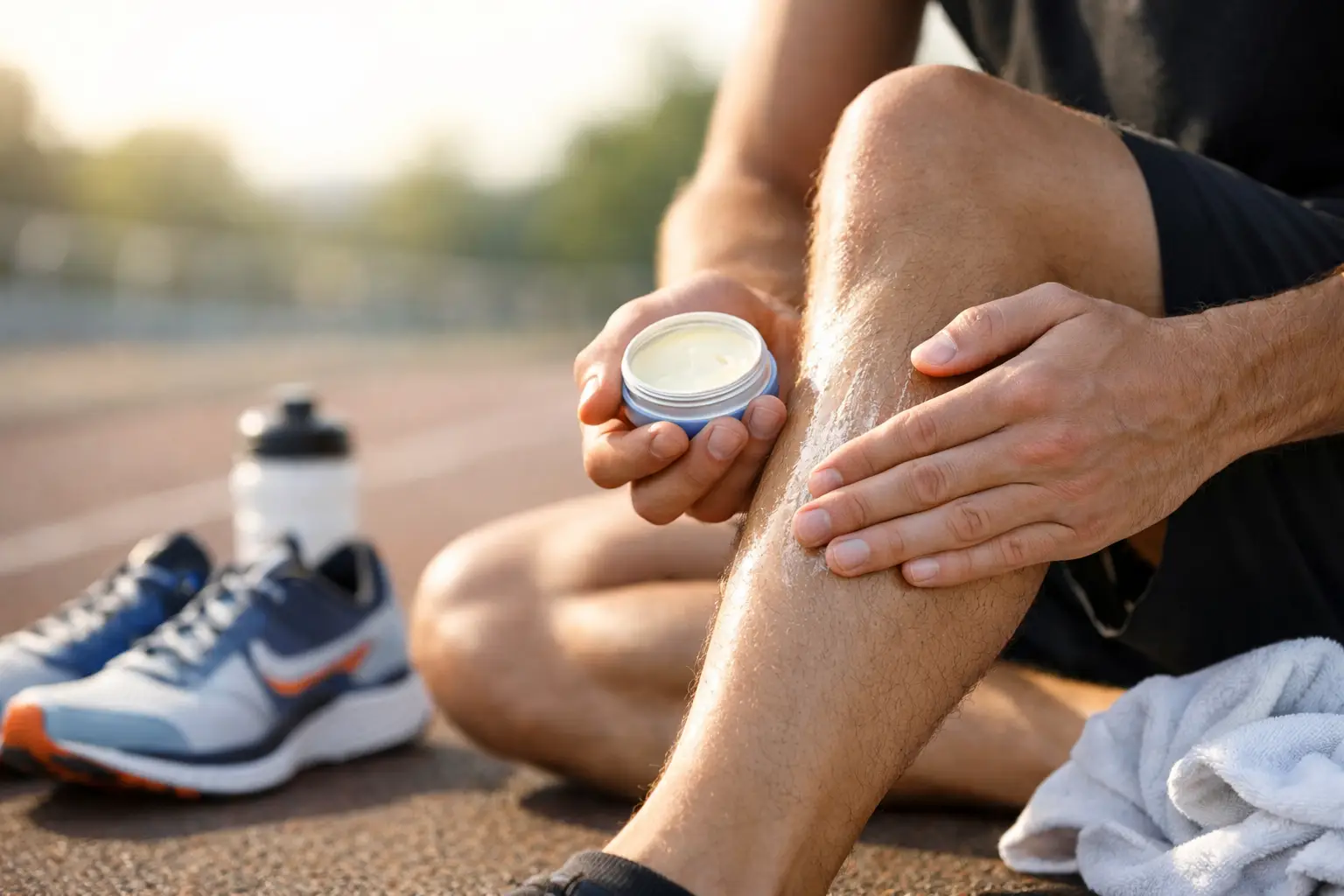
A sore inner thigh at kilometre eight, a burning sports-bra line before halfway, or a blister forming under a big toe can take over your whole race. That is why a balm before race day example is less about adding another product to your kit and more about protecting the training you have already done. Friction is predictable for most runners. Your preparation should be too.
The best routine is not complicated: test your anti-chafe balm during training, apply it to your known hot spots before you leave for the start, and carry a small amount for longer events if conditions call for it. A few focused minutes can help you stay comfortable, confident and free to run your own race.
Why balm belongs in your race preparation
Race day tends to make familiar friction problems worse. You may run farther than usual, sweat more than expected, wear a race vest that sits differently from your normal top, or spend extra time standing in a crowded start pen. Rain, humidity and heat can all change how fabric moves against skin.
Chafing and blisters happen when repeated rubbing damages the outer layer of skin. Moisture often adds to the problem, but dry skin can rub too. The practical goal is to create a protective barrier in the places where skin, socks, shoes or kit repeatedly move against each other.
Think of balm as part of your pre-race equipment, alongside socks you trust and shoes you have already broken in. It will not compensate for a pair of badly fitting trainers or a brand-new running vest. It can, however, reduce the friction that turns an otherwise good kit choice into an uncomfortable distraction.
A balm before race day example that works
Here is a realistic example for a runner preparing for a half marathon. The same thinking works for a 5K, marathon, trail race or charity run, but the areas you protect will depend on your body, kit and previous experience.
During the final training weeks
Use your chosen balm on at least two or three runs that are long enough to reveal your usual hot spots. Do not wait until the race to find out whether the texture suits you, whether you need more coverage, or whether your socks and shoes still feel right together.
For this example, the runner knows that their inner thighs begin to rub after an hour, their sports bra can chafe underneath the band, and their right heel is prone to blisters in wet weather. On a long training run, they apply balm directly to the inner thighs, beneath the bra band and around both heels before putting on socks. After the run, they check for redness, tenderness and areas where the product may need to be applied more generously.
That test run matters. If a particular seam rubs, adjust the kit now. If you discover a spot that never causes trouble, there is no need to cover it simply because another runner does. Race preparation works best when it is personal.
The evening before
The night before is for organisation, not experimentation. Lay out the exact clothing you plan to wear, including underwear, socks, hydration belt or vest, and any plasters or tape you normally use. Put your balm in the same place as your race number or keys, so it does not get left on the bathroom shelf during an early-morning rush.
You do not usually need to apply an anti-chafe balm the night before. Its job is to protect you while you are moving, and applying it too early gives it no real advantage. If your skin is already irritated from training, let it recover. Keep the area clean and dry, avoid aggressive scrubbing, and do not apply a new product to broken skin.
On race morning
After showering and fully drying off, apply balm before getting dressed. For the half-marathon runner in this example, that means a smooth, even layer on the inner thighs and beneath the sports bra line. They also apply it to the heel and side of the foot that normally rubs, then pull on their familiar socks without letting the sock bunch up.
Use enough to create coverage, but do not coat yourself indiscriminately. More is not always better, especially around feet. Too much product can make it harder to position a sock neatly or may leave your feet feeling slippery. Start with the amount that worked in training and make small adjustments only if your test runs showed you need them.
For longer races, particularly marathons, ultras or warm-weather events, pack a travel-friendly stick in your bag or hand it to a supporter at an agreed point. Reapplication can be useful when sweat, rain, time on feet and repeated movement are all part of the day. It is far easier to top up at the first hint of rubbing than to manage raw skin later.
Where runners commonly apply anti-chafe balm
Your friction map is individual, but several areas come up again and again. Inner thighs are a common starting point, especially in warm or wet conditions. Underarms can rub against vest seams, while bra bands, chest straps and waistbands may create irritation over longer distances.
Feet deserve special attention because even a small hot spot can alter your stride. Apply balm to the heel, toes, ball of the foot or side of the foot only where you have previously experienced rubbing. If your toes rub together, a light application between them may help. Pair this with socks that fit well and shoes with enough room for natural swelling during a long event.
Men who experience nipple chafing may apply balm around that area, provided the skin is intact. Runners using hydration packs should consider shoulder straps, the lower back and points where the pack shifts. Trail runners may also need to account for grit, water crossings and longer time on uneven ground.
What not to change before the start line
The golden race-week rule is simple: nothing new. That includes shoes, socks, shorts, nutrition and body-care products. A balm that works brilliantly for another runner may not be the right match for your skin or your race kit, so patch test any new product and use it in training first.
Avoid applying balm over cuts, active rashes or infected blisters. If you have persistent skin irritation, severe pain or signs of infection, seek advice from a qualified healthcare professional rather than trying to run through it.
It is also worth being realistic about weather. In very hot conditions, you may need extra attention at thigh, waistband and bra-line areas. In rain, foot care becomes more important because wet socks can increase friction. In cold weather, layers can create new seams and movement points. The product stays the same, but your application plan may change.
Build a routine you can trust
A dependable anti-chafe balm should be easy to apply, portable and comfortable enough that you do not spend the race thinking about it. Runglide RG Anti Chafe Balm is designed to give runners a practical barrier against friction without petroleum or oils, making it a simple addition to a familiar pre-run routine.
The real advantage comes from consistency. Use the same tested shoes, socks, kit and application pattern often enough that race morning feels ordinary. When the gun goes, your attention belongs on your pacing, your breathing and the miles ahead – not the painful spot you hoped would hold up.
Your race-day ritual does not need to be dramatic. Protect the areas that have earned your attention in training, pack smart for the distance and let comfort do its quiet work while you chase the finish line.