

Blog
Does Sweat Cause Chafing? Why It Gets Worse

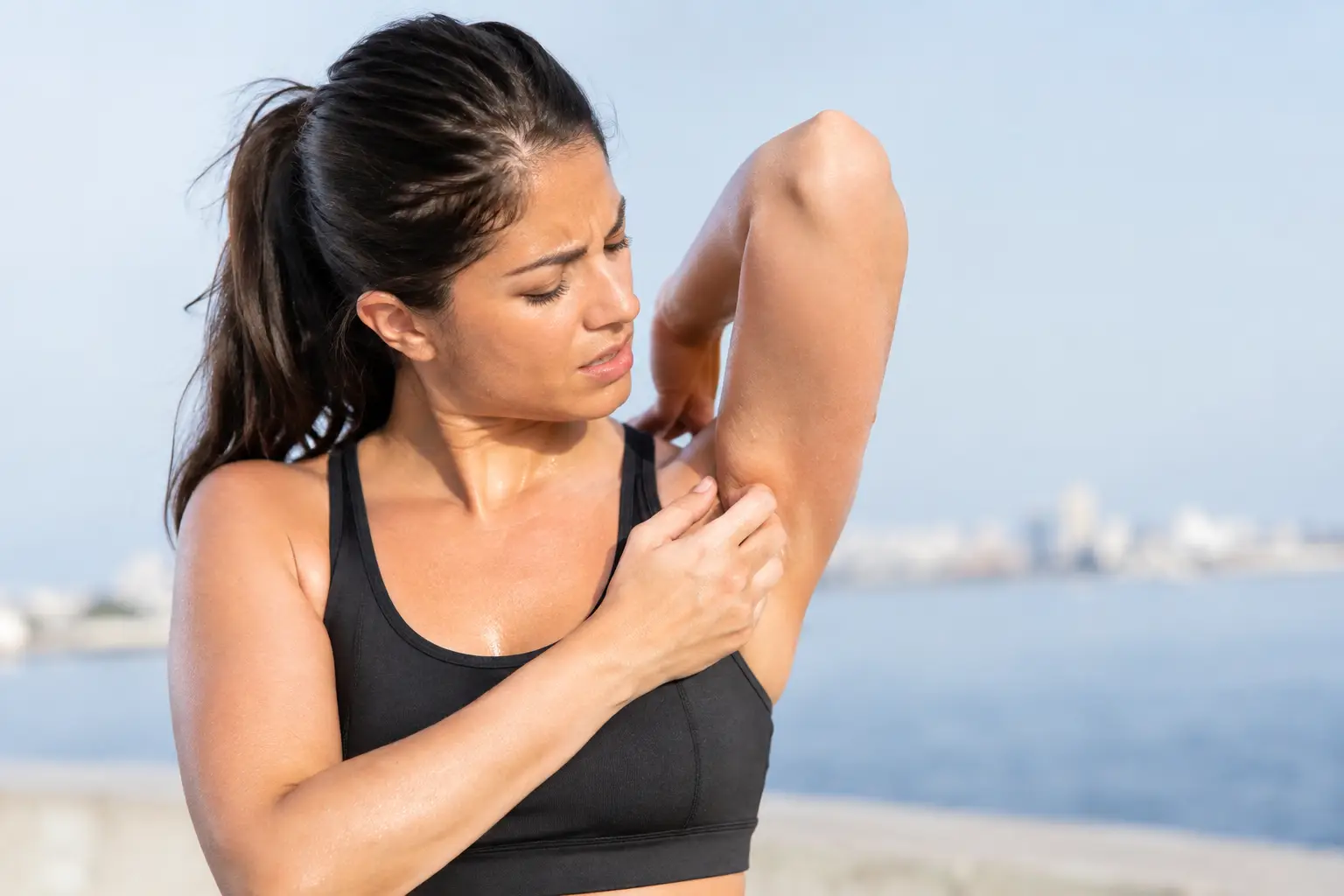
A run can feel perfectly comfortable for the first few miles, then suddenly every stride starts to sting. Does sweat cause chafing? Sweat is rarely the only cause, but it can make the conditions for chafing far worse. When moisture, heat and repeated rubbing meet, skin becomes more vulnerable – whether you are training for a race, hiking a long trail, cycling to work or simply walking in warm weather.
The good news is that sweat-related chafing is highly preventable. Understanding what is happening to your skin helps you take a few simple steps before discomfort turns into raw, sore irritation.
Does sweat cause chafing during exercise?
Sweat does not create friction on its own. Chafing happens when skin rubs against skin, fabric, footwear or equipment over and over again. Sweat acts as an amplifier: it leaves the skin damp, softens its outer protective layer and makes it easier for repeated movement to cause damage.
This is why a familiar route can feel very different on a humid day. You may wear the same shorts, follow the same pace and cover the same distance, yet finish with irritated inner thighs or sore underarms. The extra moisture changes the surface of the skin and the way clothing moves against it.
Salt in dried sweat can add another layer of discomfort. As sweat evaporates, salt crystals may remain on the skin or fabric. These can feel abrasive, particularly on areas already exposed to constant rubbing. Sweat-soaked clothing may also bunch, cling or become heavier, increasing friction rather than moving freely with your body.
Chafing is not a sign that you are unfit or that you have done something wrong. It is a practical skin-and-movement problem. The longer you move, the more opportunities there are for heat, moisture and friction to build.
Why sweat makes friction more likely
Healthy, dry skin has a tough outer barrier. Prolonged moisture can soften that barrier, a process sometimes called maceration. Think of how the skin on your fingers changes after a long bath. During exercise, the same principle applies, but with the added force of thousands of strides, pedal strokes or arm swings.
Body heat matters too. Warm skin sweats more, and warm conditions can make clothes stick to the body. In close-fitting areas, ventilation is limited, so moisture has less chance to evaporate. That is why inner thighs, groin creases, underarms, beneath sports bras, around waistbands and between toes are common trouble spots.
Fit is also part of the picture. Loose clothing can rub as it shifts. Clothing that is too tight can create pressure points or seams that repeatedly scrape the same area. Neither style is automatically better. What works depends on the activity, your shape, the fabric and how long you will be moving.
For cyclists, saddle contact and seams in shorts can become the main source of friction. For runners, inner-thigh rubbing, bra lines, waistbands and nipples are more typical. Hikers may notice shoulder straps, pack belts and damp socks. Everyday chafing can show up beneath skirts, in workwear or during long journeys, especially in summer.
The early signs are worth acting on
Chafing usually starts quietly. You may notice warmth, tenderness, itching or a patch of skin that feels unusually sensitive. Ignore it and the area can become red, raw or broken. Once skin is damaged, sweat can sting and even light clothing can feel unbearable.
The most useful rule is simple: do not wait for pain. If a spot has rubbed before, treat it as a likely friction point before your next session. Prevention is kinder to your skin and far less disruptive than trying to push through an irritation that is already developing.
If you experience spreading redness, swelling, pus, severe pain or symptoms that do not improve, seek advice from a pharmacist or healthcare professional. Chafing can break the skin, and broken skin needs proper care.
How to prevent sweat chafing before it starts
Start with clean, dry skin whenever possible. Drying off properly after a shower may sound basic, but it gives your skin a better starting point. If you are heading out on a hot day, allow lotions or sun cream to settle before pulling on tight kit, particularly around areas that tend to rub.
Choose clothing for movement, not just appearance. Soft, moisture-managing fabrics can help move sweat away from the skin, although no fabric stays dry forever during a hard effort. Check where seams sit and test new kit on shorter sessions before wearing it for a race, hike or long-distance ride.
For repeat hot spots, apply an anti-chafe balm before activity. A good friction barrier helps skin and fabric glide rather than drag, giving you an extra layer of protection when sweat starts building. Runglide Anti Chafe Balm is designed as a portable, mess-free stick for the areas that need it most, from inner thighs and underarms to feet and bra lines.
Use enough product to create a consistent protective layer, especially for longer sessions. A quick swipe may be enough for a short walk, while a marathon training run, all-day hike or humid holiday day may call for more coverage and a top-up. If you know you will be out for hours, carry your chosen protection with you.
Your sock and shoe combination deserves the same attention. Damp feet are more likely to develop hot spots and blisters, particularly when shoes are poorly fitted or socks crease inside the shoe. Choose socks that suit your activity, make sure footwear has enough room, and change out of wet socks when you can.
Managing chafing when you are already sore
If you feel rubbing during a session, stop early if possible and address it. Adjust a seam, smooth a sock, change damp clothing or apply a friction barrier before continuing. A small intervention at the first warning sign can save days of discomfort.
After exercise, remove sweaty clothes promptly. Rinse the affected area gently with lukewarm water and use a mild cleanser if needed. Pat the skin dry rather than rubbing it with a towel. Give the area breathing room, and avoid clothing that will immediately restart the friction cycle.
For mild irritation, keep the skin clean, dry and protected from further rubbing while it recovers. Do not apply fragranced products or harsh exfoliants to broken skin. Training through severe chafing is usually a poor trade-off: your body may be ready to move, but damaged skin needs time to settle.
Sweat, weather and distance all change the plan
There is no single anti-chafing routine that suits every day. On a cool, dry 5K, your usual kit may be all you need. On a muggy long run, a trek with a loaded pack or a day spent sightseeing in shorts, you may need better moisture management, more protective balm and a spare layer.
Indoor training can be just as challenging. A crowded gym, a poorly ventilated studio or a tough treadmill session can create plenty of heat and sweat. Travelling adds another variable: long walks, unfamiliar clothing and warm destinations can catch you out when comfort was not top of mind while packing.
Treat chafing prevention like checking your laces or filling your water bottle. It is a small part of preparation that protects the bigger plan. When your skin is comfortable, you can focus on the road, the trail, the finish line or simply enjoying the freedom to keep moving.