

Blog
How to Prevent Marathon Skin Irritation Safely

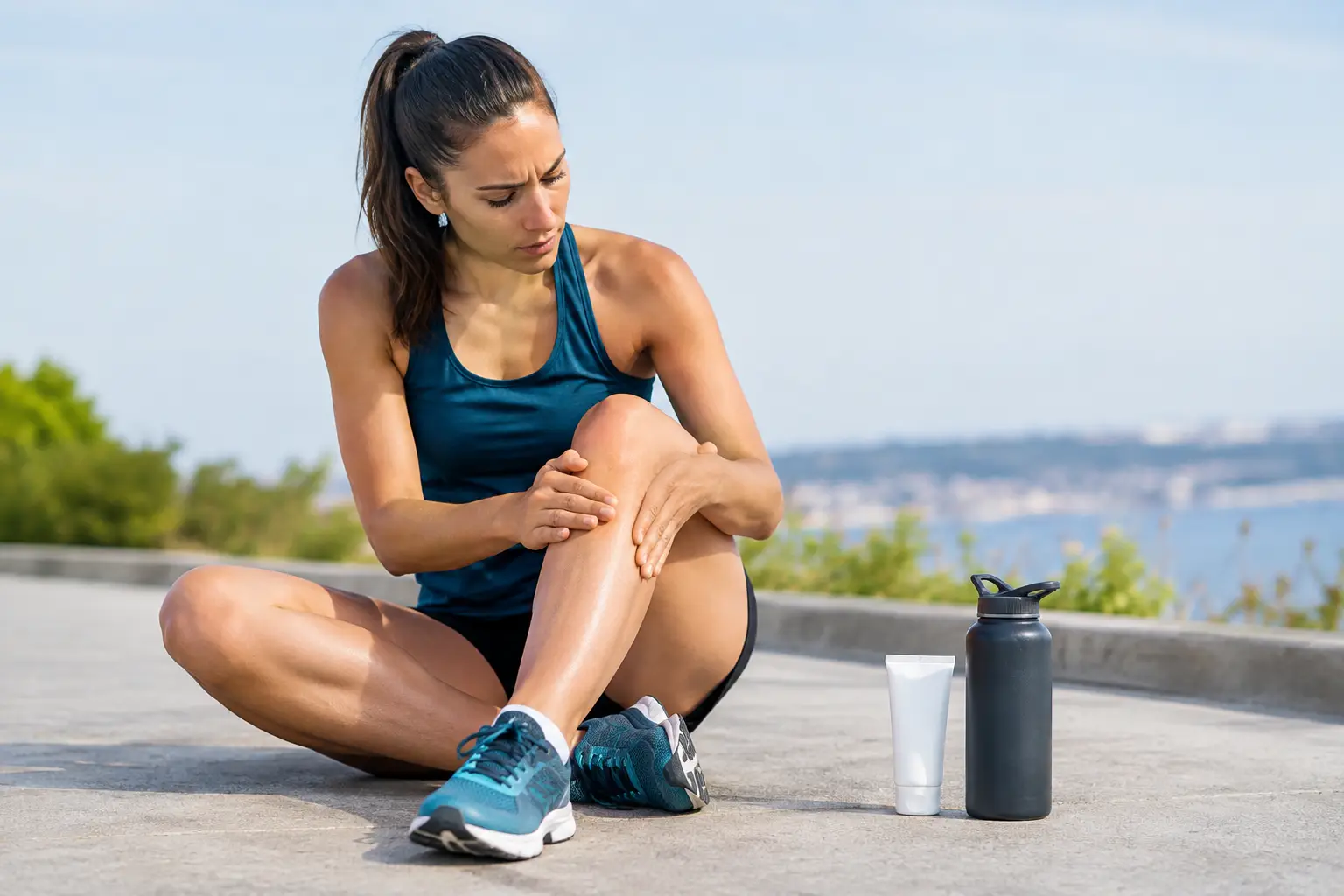
The difference between a strong final 10K and a painful shuffle can be as small as a seam, a damp sock or an unprotected patch of skin. To prevent marathon skin irritation, plan for friction as deliberately as you plan your pacing, fuelling and hydration. Skin problems are not a badge of honour. They are often a preventable distraction from the race you trained for.
A marathon asks your body to repeat the same movement thousands of times. Add sweat, heat, rain, salt and shifting clothing, and even kit that felt perfect on an easy run can start to rub. The goal is simple: create a low-friction setup that stays reliable when the miles get long.
Why marathon skin irritation happens
Chafing and blisters come down to friction, moisture and pressure. Skin-on-skin contact can irritate the thighs, groin, underarms and areas beneath a sports bra. Clothing can rub at seams, waistbands, socks, labels and loose fabric. Shoes create their own trouble spots when feet swell, sweat builds up or socks bunch inside the shoe.
Sweat is often the turning point. It softens the outer layer of skin, while salt crystals can add abrasion as sweat dries. Rain can cause the same issue from the opposite direction, leaving socks and clothing wet for hours. A warm, dry race and a cold, wet race require slightly different preparation, but both reward runners who reduce rubbing before it begins.
It also depends on your individual movement pattern. One runner may never think about their underarms but repeatedly get blisters on their toes. Another may have no foot issues yet struggle with inner-thigh chafing every long run. Your own training history is the best guide to where you need protection.
Build your anti-friction plan in training
Race day is not the place to test a new pair of shorts, a different bra or an unfamiliar balm. Use your long runs to identify patterns. After each run, take note of any red patches, hot spots, stinging or rubbing. A small irritation at 16 kilometres can become a serious problem over 42.2.
Wear your intended race kit on at least one long run in conditions as close as possible to the event. That means the same shoes, socks, underwear, shorts or tights, top, bra, belt and hydration vest. If your marathon may be wet, test how your socks and shoes cope in rain too. You do not need to recreate every condition perfectly, but you do need evidence that the combination works when you sweat.
Start with fit, not just fabric
Technical fabric helps, but fit matters more than a label. Clothing should move with you without sliding, folding or trapping moisture. Very loose shorts can rub at the inner thigh; overly tight shorts can create pressure at the waistband or leg opening. The right choice is the one that remains comfortable after two hours, not the one that feels best in the changing room.
Check seams carefully, particularly around the toes, underarms and bra band. Remove scratchy labels if they are likely to contact skin. For many runners, close-fitting running shorts or tights reduce thigh friction better than loose layers. For others, a light pair of split shorts works brilliantly. There is no universal uniform, only the setup proven by your training.
Choose socks and shoes as a system
Blisters rarely arrive without warning. A hot spot, tingling sensation or small area of rubbing is your chance to act before skin breaks. Socks should stay put, manage moisture and suit the shape of your feet. Avoid cotton for a marathon, as it holds moisture and can increase rubbing when wet.
Your marathon shoes should have enough room for natural foot swelling, especially at the toes. Yet too much space allows the foot to slide, which can cause blisters beneath the forefoot or around the heel. Do not size up blindly. Test your race shoes on longer runs with your chosen socks, and make sure laces hold the heel securely without creating pressure across the top of the foot.
Apply a friction barrier before the start
A quality anti-chafe balm acts like invisible armour between skin, fabric and footwear. Apply it generously to every area that has rubbed before, plus the places most likely to be challenged by heat and distance. The best time is before you get dressed, while skin is clean and fully dry.
Common application areas include inner thighs, groin, underarms, nipples, the bra line, waistbands, toes, heels and the sides of the feet. If you use a hydration vest, consider where straps sit on your shoulders, chest and lower back. If a belt has ever bounced against your skin during a long run, it belongs on the list too.
A stick format makes this quick and targeted. Runglide RG Anti Chafe Balm is designed for exactly this kind of practical routine: apply where friction is likely, carry on with your preparation, and focus on moving freely. If you know one area becomes vulnerable late in a race, carry a compact option or ask a supporter to have one ready at a planned point on the course.
Do not apply balm to broken or actively bleeding skin. Let damaged areas recover properly before your next demanding session, and seek medical advice if redness spreads, pain is severe or you notice signs of infection.
Make a race-day plan for weather and sweat
Check the forecast, then make small adjustments rather than changing everything. In warm weather, prioritise breathable kit and protect areas exposed to skin-on-skin friction. Start conservatively with layers if it is cold, because overdressing can leave you soaked in sweat before halfway.
For rain, a cap can keep water out of your face and reduce the urge to wipe sweat constantly. The greater concern is wet feet. If heavy rain is likely and you are prone to blisters, consider carrying spare socks or arranging them with a supporter. This is not necessary for everyone, and stopping to change socks costs time, but it can be worthwhile if wet socks have ruined long runs before.
Avoid overloading yourself with layers, taped-on items or accessories you have not rehearsed. Every new surface is another potential rubbing point. A simple, tested setup usually beats a clever last-minute solution.
Protect your skin after the marathon too
Finishing does not mean irritation is finished. Change out of damp kit as soon as you can, rinse sweat away with lukewarm water and pat the skin dry rather than scrubbing it. Loose, soft clothing will feel far better than tight leggings or denim after several hours of repetitive movement.
For intact chafed skin, gentle cleansing and a fragrance-free moisturiser can support recovery. Blisters are best protected from further rubbing. If a blister is intact, avoid popping it unless you have been advised otherwise by a medical professional. Covering it with an appropriate dressing and keeping the area clean can help you stay comfortable while it heals.
Most importantly, give your body time. The urge to celebrate with a long walk around the city may be strong, but sore skin, swollen feet and fatigued muscles all benefit from a calmer post-race plan.
The confidence comes from rehearsal
You cannot control every marathon variable. A sudden shower, unexpected heat or a late-race sweat surge can still test your kit. But you can remove the avoidable risks by testing what you wear, protecting known friction zones and responding early to hot spots during training.
Comfort is not a luxury reserved for easy runs. It is part of performing at your best. Build your low-friction routine now, trust it on the start line, and give every mile your full attention.