

Blog
Anti Chafe Balm Versus Body Glide: Which Fits?

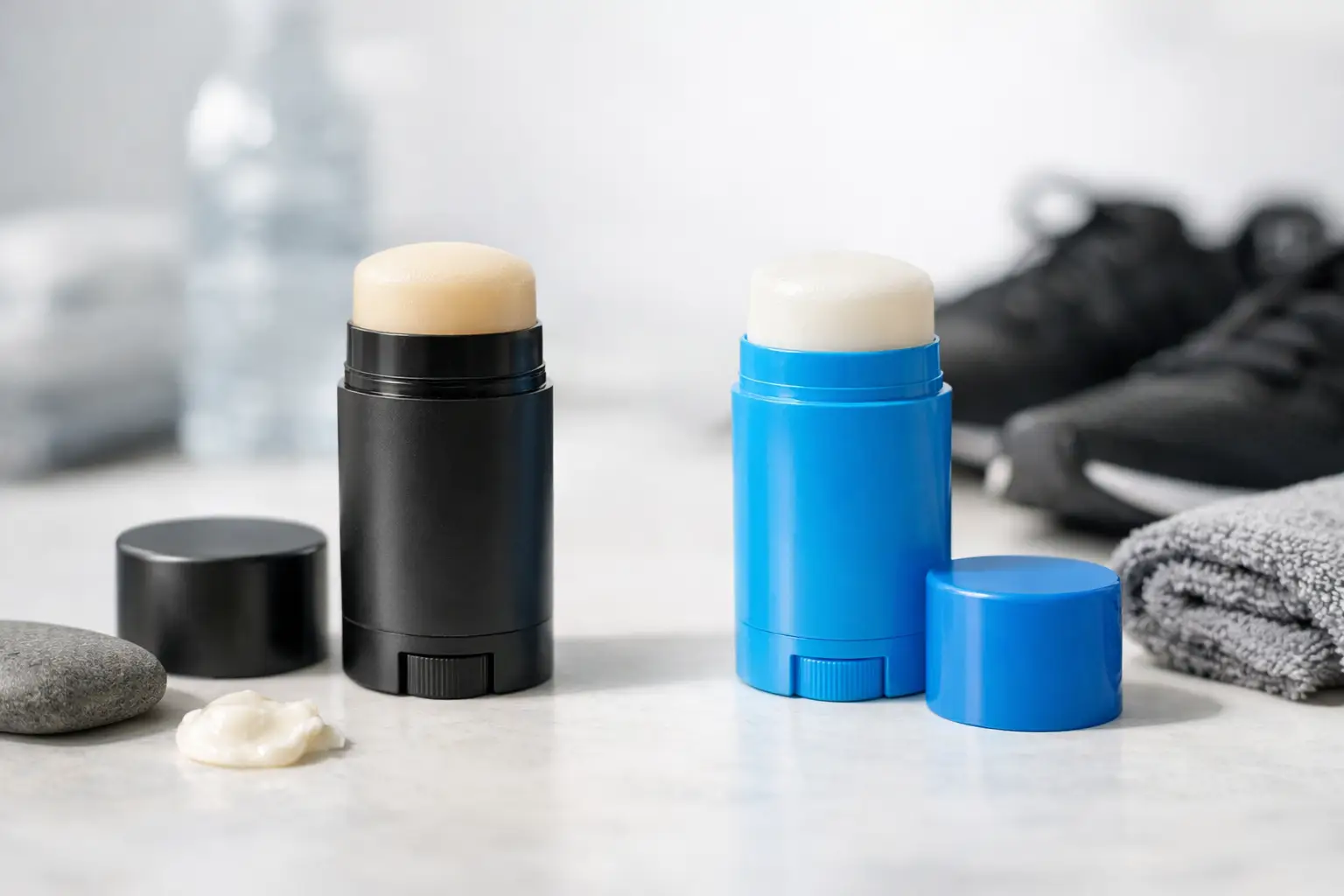
Your kit can be dialled in – the right shoes, socks, shorts and fuel – and friction can still bring a good session to a painful stop. That is why the anti chafe balm versus Body Glide question matters. Both are designed to create a protective barrier where skin, fabric, footwear or equipment rubs, but the best choice is the one you will apply confidently, comfortably and consistently.
For runners, hikers, cyclists and anyone who spends long hours on their feet, anti-chafe protection is not a luxury. It is a small pre-activity habit that can prevent sore thighs, irritated underarms, bra-line rub, hot spots and blisters from hijacking the plan.
Anti chafe balm versus Body Glide: the practical difference
Body Glide is a well-known anti-chafing stick, and its popularity has made the stick format familiar to many active people. Anti-chafe balm is the wider product category: a friction-reducing formula applied directly to vulnerable areas before movement. That category includes sticks, tins, creams and other formats, with different ingredient choices and skin feels.
So this is not quite a contest between two entirely different jobs. Both aim to reduce friction. The meaningful comparison is between the individual formula, texture, ingredient philosophy and how it performs during your particular activity.
A stick is often the most practical place to start. It applies precisely, keeps hands clean and fits easily in a running belt, day pack or gym bag. You can swipe it onto inner thighs, heels, toes, underarms or beneath a sports bra without applying more product than you need. For long events or travel, that convenience is a real advantage: the protection is more likely to be with you when you need a top-up.
What a good anti-chafe product should do
The aim is straightforward. A good balm should leave a smooth layer that reduces drag without feeling overly greasy, sticky or distracting. It needs to stay put through the movement and conditions you face, while still feeling comfortable beneath clothing, socks or footwear.
That last point is personal. A runner in light shorts may care most about a clean, non-oily finish on the thighs. A hiker tackling wet terrain may prioritise protection around the heels and toes. A cyclist may need coverage where shorts, seams and saddle contact create repeated pressure. Someone heading out for a city break may simply want comfortable walking in warm weather.
Look at the product label rather than relying on the category name alone. Formulas can differ in their base ingredients, added fragrance, texture and intended use. If you know your skin reacts to certain ingredients, a transparent ingredient list is more useful than a broad promise on the front of the pack.
Runglide RG Anti Chafe Balm is made for people who want targeted, portable friction protection without petroleum or oils, and with a cruelty-free approach. Its stick format is designed to make prevention quick: apply, move, get on with your day. That simple routine can make all the difference when discomfort has previously caused you to cut a run short or avoid an outfit altogether.
Choose by activity, not just by brand
Your sport tells you where friction will happen and how much protection you may need. Use that to guide the decision.
Running and walking
Inner thighs, underarms, nipples, waistbands and bra lines are common problem areas. Apply balm directly to clean, dry skin before you start. If you are trying a new product ahead of a race, test it on a normal training run first. A formula may feel excellent during a 5K yet need reapplying during a humid half marathon or a full day of walking.
For foot blister prevention, focus on the places that repeatedly rub: heel edges, the balls of the feet, toes and any spot affected by a new shoe seam. Balm can reduce friction, but it cannot compensate for shoes that are the wrong size or socks that retain too much moisture. Foot comfort works best as a system.
Hiking, trekking and travelling
Distance, heat, pack straps and changing weather make hiking a different challenge. Put anti-chafe balm on before the first mile, not when the hot spot has already become tender. Protecting the skin early is far easier than trying to manage rubbing halfway through a route.
Keep the stick accessible rather than buried at the bottom of your bag. Reapply during a rest stop if you have been sweating heavily, swimming, walking through rain or covering major distance. The same thinking applies to holidays, airport days and city sightseeing: long periods of walking can create friction just as effectively as a planned workout.
Cycling and gym training
Cycling friction is often linked to repeated movement, close-fitting kit and saddle contact. Your preferred product should feel comfortable under shorts and remain unobtrusive while you ride. Test it on shorter rides first, especially if you are changing clothing, saddle position or training volume at the same time.
At the gym, chafing may show up at the underarms, waistband, inner thighs or where equipment repeatedly contacts the skin. A quick application before a treadmill session, rowing workout or strength class can remove one needless barrier from training. You should be concentrating on your effort, not counting down until the irritation stops.
Ingredients and skin feel: where preference matters most
There is no universal winner because bodies, climates and training sessions are different. Some people prefer a firmer, dry-feel stick. Others like a softer balm texture. Some seek fragrance-free options, while others have no issue with a scented formula. The product that feels best on your skin and works with your clothing is usually the one you will use consistently.
If you have sensitive skin, introduce any new balm cautiously. Check the full ingredients, try a small patch of skin and give it time before using it on a long event. Stop using it if you develop irritation. This is sensible preparation, not overthinking – race day and a multiday hike are poor times to discover that a formula does not suit you.
It is also worth separating prevention from treatment. Anti-chafe balm is most useful on intact skin before rubbing begins. If skin is already broken, raw or showing signs of infection, avoid applying products that sting or worsen the area. Let it recover and seek advice from a pharmacist or healthcare professional when symptoms are severe, persistent or concerning.
How to get better results from any balm
Application matters as much as the product itself. Start with clean, dry skin so the balm can form an even protective layer. Apply enough to cover the full friction zone, not just the point that was sore last time. Chafing often spreads along a seam, a thigh line or the edge of a shoe.
Do not wait for discomfort. Once skin feels hot, prickly or tender, friction has already started its work. Make balm part of getting ready, alongside socks, sunscreen and water. For endurance days, carry it and reapply before you feel you need it.
Also investigate the source of repeat chafing. A rough label, worn seam, damp sock, poorly fitted shoe or unfamiliar pair of shorts may be the underlying problem. Balm provides valuable invisible armour, but removing the cause where possible gives you a stronger long-term fix.
So, which should you choose?
Choose Body Glide if you have used its particular formula comfortably and it performs well for your activity. Choose an anti-chafe balm such as Runglide if its ingredient approach, feel and convenient protection better match what you want from your kit. Neither choice needs to be complicated: comfort, dependable coverage and skin compatibility are the measures that count.
The best test is not a comparison on paper. Apply your chosen balm before the next run, ride, hike or long walk, then notice what does not happen. When friction stays out of the picture, you have more freedom to go further, stay longer and enjoy the movement you came for.