

Blog
Anti Chafe Stick vs Cream: Which Works Best?

A long run can be going perfectly until the familiar hot spot starts to sting. The anti chafe stick vs cream decision may seem small, but the format you choose can affect how quickly you apply it, how clean it feels and whether you actually remember to use it before heading out.
Both products aim to do the same job: create a protective layer that reduces skin-on-skin or skin-on-fabric friction. Yet they behave differently in a kit bag, on sweaty skin and over hours of movement. The better option is the one that fits your body, your activity and your routine well enough to become non-negotiable.
Anti chafe stick vs cream: the practical difference
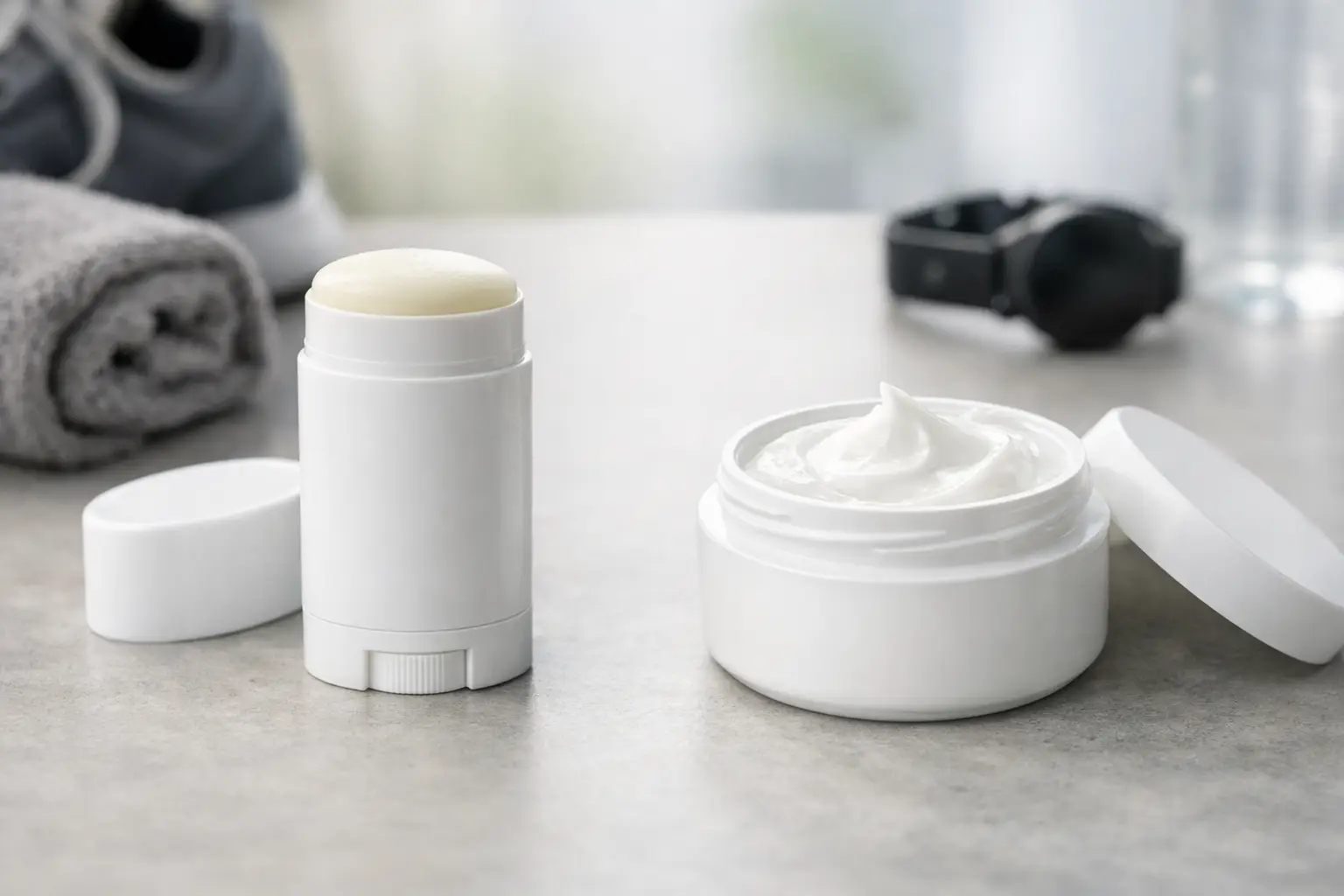
An anti-chafe stick is a solid balm in a twist-up tube. You swipe it directly where friction is likely, then get moving. A cream is usually squeezed or scooped out and spread over a wider area with your hands.
That difference affects more than convenience. Sticks tend to offer targeted, low-mess application and are easy to carry in a running belt, cycling jersey pocket or daypack. Creams can feel more adaptable when you need broad, even coverage, particularly on dry or rough skin.
Neither format automatically wins on protection. The formula, the amount applied, sweat levels, clothing and duration all matter. Still, the application style often decides which one works best for a particular situation.
When an anti-chafe stick has the edge
A stick is built for speed. Apply it straight to the inner thighs, underarms, bra line, heels, toes or anywhere a seam repeatedly rubs. There is no need to dispense product into your palm, and no residue on your hands before you pick up your phone, lace your shoes or adjust your kit.
This is especially useful for runners and hikers who need a fast pre-session routine. It also makes reapplication simpler during a long day outdoors. Pop the tube in your bag, apply a few swipes when you change socks or notice a developing hot spot, and carry on.
Targeted application is another advantage. If one part of your shorts, sports bra or backpack strap causes trouble, you can put protection exactly where it belongs rather than coating a larger area than necessary. A solid balm can also feel more controlled around small, precise areas such as between toes or along the edge of a waistband.
For daily movement, portability matters too. A stick is discreet enough for commuting, travelling, walking in warm weather or wearing a dress or skirt without turning prevention into a complicated skincare step. Runglide’s anti-chafe balm stick is designed around this kind of grab-and-go protection: reliable coverage without a greasy, overthought routine.
When cream can be the better choice
Cream can be a sensible option when the area is broad, dry or already feeling irritated from repeated rubbing. It spreads easily across a larger surface, which some people prefer for inner-thigh protection, long-distance events or areas where fabric moves around unpredictably.
The ability to massage it in can also be useful. If your skin is dry and prone to feeling tight, a cream may provide a more moisturising sensation than a solid balm. Some people simply like knowing they have covered every part of a friction-prone area thoroughly.
There is a trade-off. Cream application is usually messier, and it can leave product on your fingers. Depending on the formula and quantity, it may feel heavier under tight clothing or transfer more readily to fabric. This is not always a problem, but it is worth considering before a humid run, a hard gym session or a long cycle in fitted shorts.
Cream is often best kept at home or in a larger wash bag. If you are preparing carefully before an event, that may be all you need. If you want an option for mid-run or on-the-trail touch-ups, a stick is generally easier to manage.
Staying power depends on more than format
The biggest mistake is assuming a stick always lasts longer or a cream always offers more protection. Friction prevention is a moving target. A 5K in cool weather places very different demands on a product than a marathon in rain, a summer hike or an all-day ride.
Sweat, water, heat and fabric pressure can gradually wear away any protective layer. High-friction zones may need a more generous application from the start. If you have been chafed before, do not wait until you feel discomfort to apply product. By that point, the skin may already be inflamed, and prevention becomes much harder.
Start with clean, dry skin whenever possible. Apply enough to create a comfortable layer, but do not overdo it to the point that clothes slide or feel unpleasant. For long efforts, take your own history seriously. If you know your inner thighs, underarms or bra line are vulnerable after two hours, plan to reapply before that point.
The formula matters here. Look for a balm or cream designed specifically to reduce friction, rather than relying on a random moisturiser. If you prefer a simpler active-body-care approach, check the ingredient list and choose a product that suits your skin preferences. For some people, a petroleum-free, oil-free and cruelty-free balm is part of what makes a product easier to use regularly.
Match the format to your activity
For short runs, gym sessions and everyday walking, a stick is usually the easy winner. It is quick, clean and precise, which removes the small excuses that lead to skipped protection. Swipe, dress and go.
For long-distance running, trail days and cycling, either can work. Choose a stick if you need to carry it and reapply on the move. Choose cream if you prefer to prepare a large area thoroughly before you set off and do not expect to need a portable top-up.
For hiking and trekking, think beyond thighs. Feet, heels, toes, underarms, waistbands and pack-contact points can all become trouble spots. A stick is particularly useful here because it can treat several small areas without getting your hands coated in product halfway through the day.
For warm-weather outfits and daily comfort, the clean finish of a stick can make it the more practical choice. That said, if your main concern is dry skin plus broad thigh friction, a cream may feel more comforting. Your best format is not necessarily the one your training partner uses. It is the one you will apply consistently.
Don’t use prevention to cover an existing injury
Anti-chafe products are preventative tools, not a reason to push through broken or badly inflamed skin. If an area is raw, bleeding, blistered or painful, pause the activity that is aggravating it and allow the skin to recover. Keep the area clean and seek advice from a pharmacist or healthcare professional if you see signs of infection, worsening pain or a rash that does not settle.
Once the skin has healed, work backwards to identify the cause. It could be a new pair of shorts, a rough seam, damp socks, a poorly fitted bra or a change in heat and mileage. The best balm in the world cannot fully compensate for kit that repeatedly rubs in the wrong place.
Make friction prevention part of your kit check
Think of anti-chafe protection like socks, water or sun cream. It is a small piece of preparation that protects the bigger goal: staying free to train, explore and move without discomfort calling the shots.
If you value quick application, precise coverage and a product you can take anywhere, choose a stick. If you want to cover a broad area and prefer a spreadable texture, cream may suit you better. Try the format that makes the most sense for your next session, apply it before the rubbing starts, and give your body one less reason to hold back.