

Blog
Deodorant for Chafing Comparison: What Works?

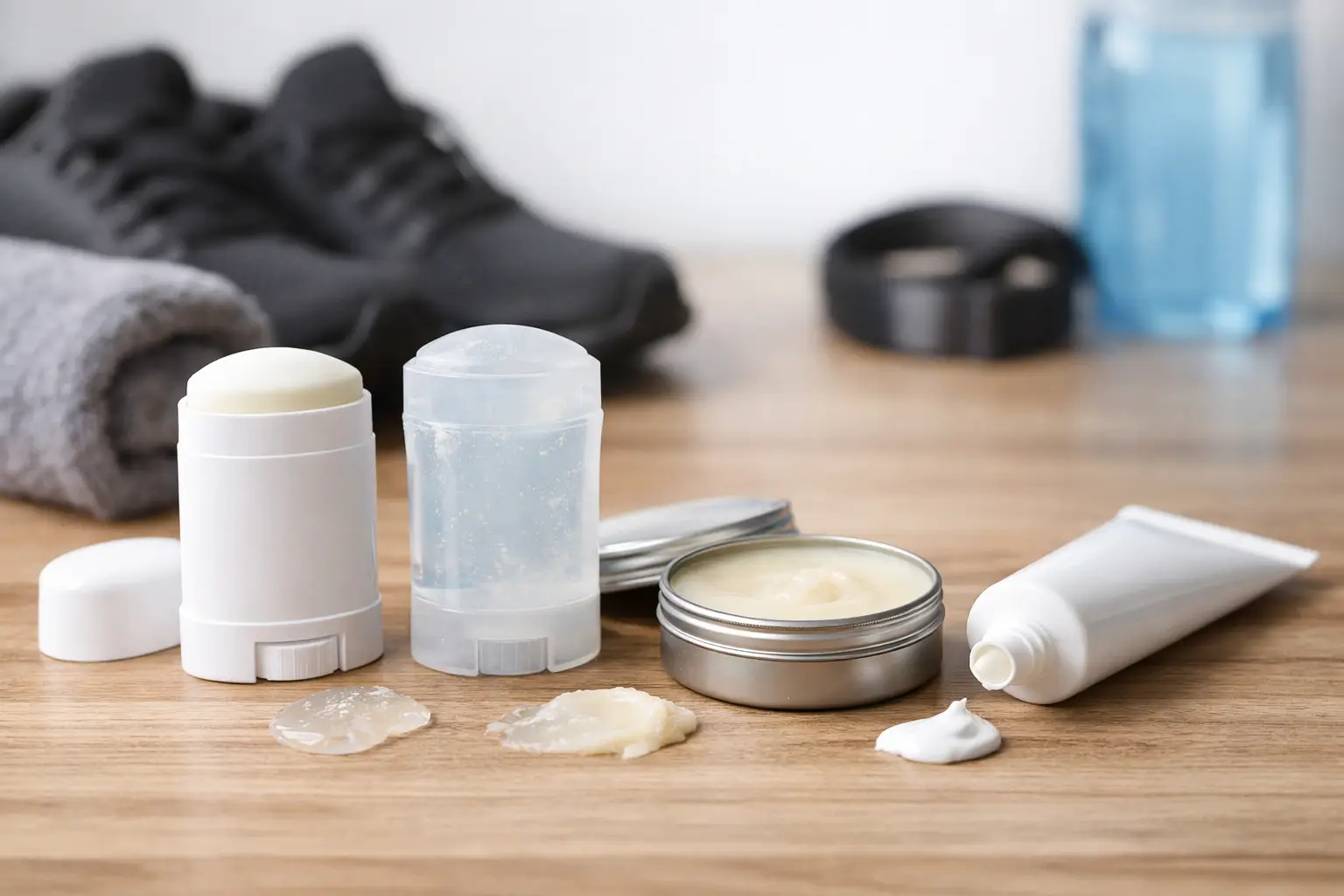
That spare deodorant stick in the bathroom cabinet can look like a quick fix before a run, a hot commute or a long day of walking. But a deodorant for chafing comparison reveals an essential difference: deodorant is made to manage odour and, in some cases, sweat. An anti-chafe balm is made to reduce friction before it damages your skin.
That distinction matters when every stride, pedal turn or mile in your walking shoes repeats the same rubbing motion. The right product can feel like invisible armour. The wrong one may work briefly, leave residue on clothes, or let discomfort build just when you want to keep moving.
Deodorant for chafing comparison: balm versus deodorant
Both products often come in a convenient stick. Both glide onto skin. That is where the similarity largely ends.
A standard deodorant typically tackles body odour with fragrance and antibacterial ingredients. An antiperspirant adds ingredients intended to reduce perspiration. Applied to inner thighs, underarms, feet or bra lines, its waxy base may create enough temporary slip to help during low-intensity activity. This is why the deodorant trick has become popular among walkers, runners and travellers.
An anti-chafe balm has a more focused job. It lays down a protective, low-friction layer between skin, fabric, footwear or equipment. Rather than hoping sweat-control ingredients will also help rubbing, it is formulated specifically for repeated movement. For long runs, hikes, cycles and warm-weather days, that purpose-built protection is usually the more dependable choice.
There is no shame in using what you have to hand for an unexpected hot spot. If you are halfway through a holiday and only have deodorant, it may offer short-term relief on intact skin. For planned activity, though, prevention deserves a product built for prevention.
How they perform where friction starts
Inner-thigh chafing is the test most people think of first. Deodorant can feel smooth at application, but sweat, heat and constant skin-on-skin contact can wear that layer down. Fragrance and active sweat-control ingredients may also be unwelcome on sensitive areas, especially after shaving.
A good anti-chafe balm is designed to stay put through this kind of motion while allowing skin to move comfortably. Apply it generously to clean, dry skin before you get dressed, covering the full area where rubbing normally begins rather than waiting for one sore point.
Underarms are more of a mixed case. If odour and perspiration are the main concern, deodorant or antiperspirant has a clear role. If a vest seam, pack strap or arm movement is creating rawness, a friction barrier is the better tool. Some active people use both, keeping each product in its proper lane.
Feet require another distinction. Deodorant may help with foot odour and dampness, but it is not a reliable defence against heel rubbing, toe blisters or shoe pressure. For that, use an anti-chafe product on known hot spots and make sure socks and shoes fit properly. No stick can fully compensate for a trainer that is too small, too loose or badly worn.
What really determines whether a product lasts
The product label is only part of the story. Duration depends on how much you sweat, the temperature, the fabric against your skin and how long you are active. A gentle five-kilometre walk in cool weather asks far less of a barrier than a humid half marathon or a full day under a hiking pack.
Deodorant can be convenient because it is already part of a daily routine, yet it is often optimised for fresh-feeling underarms rather than high-friction zones. Strong fragrance can become overpowering when applied beyond the underarms. Some antiperspirants may leave a chalky or tacky feel that is not ideal where skin is rubbing together.
Anti-chafe balms vary too. Some can feel heavy, greasy or prone to transferring to clothing. Others are made in a dry-feel stick format that is easier to apply directly and carry in a kit bag, pocket or hand luggage. If you dislike slippery residue, look for a balm that is comfortable under technical clothing and does not rely on petroleum or oils.
Runglide RG Anti Chafe Balm is designed around that practical need: a portable, cruelty-free stick that targets friction without petroleum or oils, so you can protect the areas that work hardest and get on with the session.
The trade-offs worth considering
Deodorant is easy to find, familiar and useful for its intended purpose. For short everyday errands, it may be enough to reduce that sticky feeling between the thighs, particularly if your skin rarely chafes. It can also make sense when carrying another product is not possible.
The trade-off is precision. Deodorant cannot promise consistent friction protection across a long effort, and it may not suit every body area. If you have reacted to fragranced products before, a new deodorant is a risky experiment on skin that will be exposed to heat and repeated rubbing.
An anti-chafe balm costs more than repurposing something already in your bathroom, but it gives you a product chosen for the task. That matters when you are training consistently, travelling, breaking in footwear or simply tired of changing plans because walking has become uncomfortable.
Neither option should be applied over broken, bleeding or infected skin. Once chafing has progressed beyond mild irritation, prioritise gentle cleansing, letting the area recover and seeking advice from a pharmacist or healthcare professional if pain, swelling, discharge or persistent symptoms develop. Prevention works best before the first sting.
Choose for the activity, not just the product type
For a quick commute in mild weather, deodorant may be a reasonable backup if inner-thigh rubbing is occasional. For a long shift on your feet, a city-break with thousands of steps or a warm day in shorts, start with an anti-chafe balm on your usual friction points.
Runners should think beyond thighs. Nipples, underarms, waistband lines and the tops of socks can all become problem areas, depending on kit and distance. Cyclists may need protection where shorts, saddle movement and sweat combine. Hikers should prioritise heels, toes, pack-contact areas and anywhere wet clothing rubs. Swimmers and beachgoers can benefit around suit seams, where saltwater and sand make friction more noticeable.
The same logic applies to everyday movement. Chafing is not reserved for endurance athletes. It affects people walking the dog, commuting, sightseeing, working on their feet and travelling in warm conditions. Comfort is not a luxury add-on to an active life. It is what lets you keep choosing movement tomorrow.
A simple pre-activity routine
Start with clean, fully dry skin. Apply your friction barrier directly to the places that repeatedly rub, using enough coverage to create a smooth layer but not so much that it gathers on fabric. Put on your clothing and move around for a minute. If a seam, shoe edge or strap still catches, address the fit before you head out.
For longer sessions, pack the stick and reapply if conditions demand it. Heavy rain, high heat, water crossings and very long distances can all shorten the lifespan of any product. Reapplication is not a failure – it is smart preparation.
After activity, wash away sweat and product, change out of damp clothing and check emerging hot spots. Catching slight tenderness early can save you from several uncomfortable days.
The better question to ask
Instead of asking whether deodorant can work for chafing, ask how much friction your day involves and how much discomfort you are willing to risk. Deodorant may offer a useful pinch-hit solution for light, occasional rubbing. A dedicated anti-chafe balm is the stronger choice when movement is the plan, not an accident.
Your body should not be the reason you cut a route short, skip a training day or dread the walk back. Protect the skin that carries you, then put your energy where it belongs: one more mile, one more climb, one more day out in the world.