

Blog
Are Balms Vegan? What Active People Need to Know

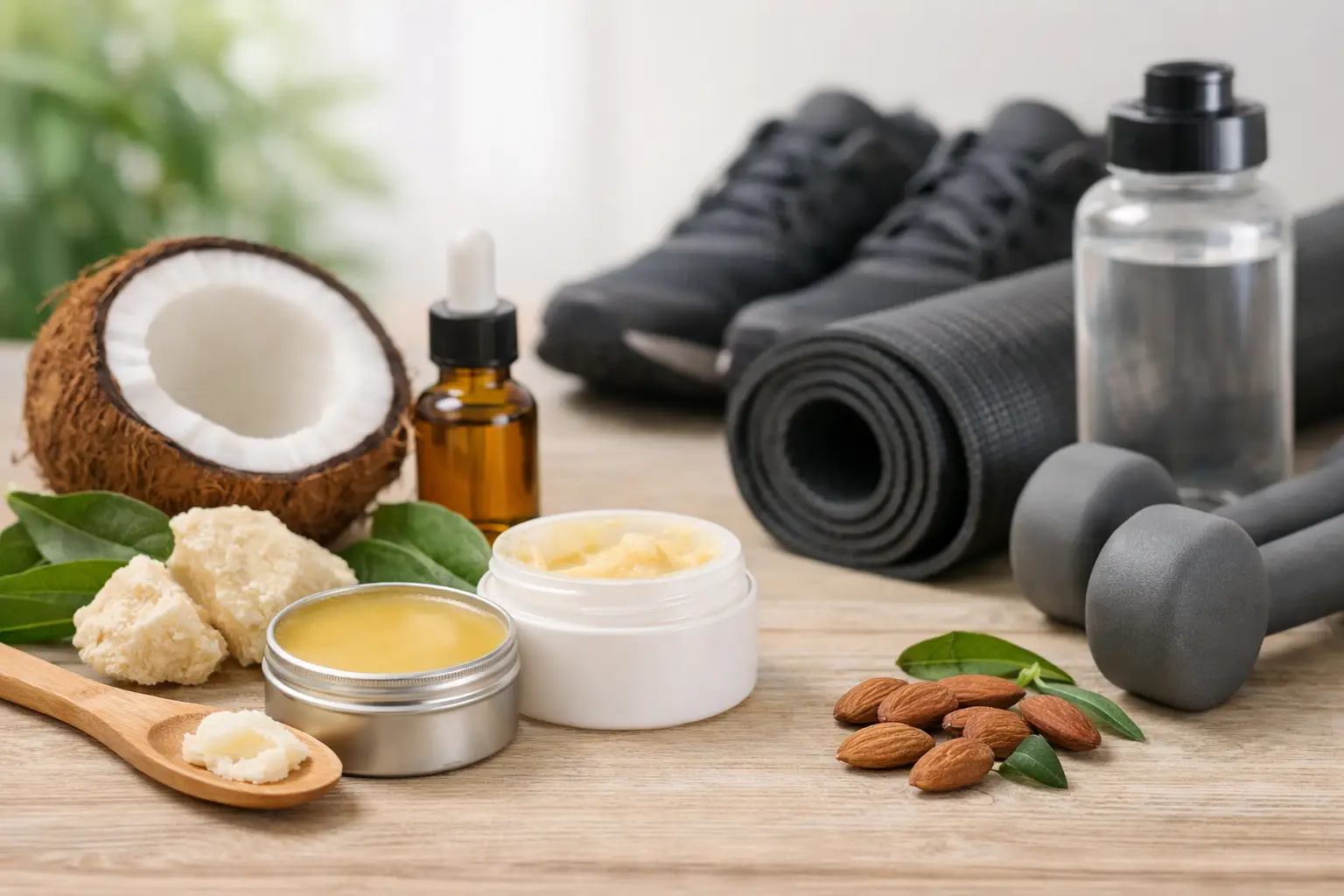
A balm can look natural, feel great on skin and still not be suitable for a vegan routine. If you are asking, are balms vegan, the honest answer is: some are, some are not, and the label matters more than the word “balm”. For runners, hikers, cyclists and anyone managing everyday friction, it is worth knowing what goes into the stick you apply before a long day on your feet.
Anti-chafe balm should be simple. It needs to form a protective barrier where skin, fabric, footwear or equipment rubs, helping you move with fewer hot spots, less irritation and more confidence. But a simple product can still contain animal-derived ingredients or be sold without a clear cruelty-free policy.
Are balms vegan? Not always
A vegan balm contains no ingredients derived from animals. That includes obvious ingredients such as beeswax, but also less immediately recognisable ones such as lanolin. Many traditional balms rely on waxes, butters and occlusive ingredients to give them structure and staying power, so it is never safe to assume that every balm is vegan.
It also helps to separate two terms that are often used together. Vegan means the formula does not contain animal-derived ingredients. Cruelty-free usually means the finished product and its ingredients have not been tested on animals. A product may be vegan without a clearly stated cruelty-free policy, or cruelty-free while still containing beeswax or lanolin. If both matter to you, look for both claims.
For active people, this is not just a label-checking exercise. You may use anti-chafe balm repeatedly on thighs, feet, underarms, bra lines, waistbands or anywhere movement creates friction. Choosing a formula that matches your values means you can focus on your session, your route or your next adventure without second-guessing what is in your kit.
Ingredients that can make a balm non-vegan
Beeswax is one of the most common non-vegan balm ingredients. It is produced by bees and is often used to create a firm stick texture. You may see it listed as beeswax, cera alba or cera flava. A vegan balm may use plant-based waxes instead, such as candelilla wax, carnauba wax or rice bran wax.
Lanolin is another ingredient to watch for. It is derived from sheep’s wool and is widely used in skincare for its rich, protective feel. You might see it listed as lanolin, wool wax, wool grease or adeps lanae. It can be effective for dry skin, but it is not vegan.
A few ingredients need a closer look because their source can vary. Glycerin, stearic acid, lactic acid and certain vitamins may be plant-derived or animal-derived depending on the supplier and manufacturing process. Their presence does not automatically mean a balm is not vegan. However, if the product has no vegan claim and the brand does not explain its ingredient sourcing, asking is reasonable.
Other ingredients are more relevant to general cosmetics than anti-chafe sticks, but are still worth recognising. Carmine is a red pigment sourced from insects. Collagen, keratin and some forms of silk protein are animal-derived too. These are less likely to appear in a straightforward friction balm, yet they illustrate why a quick scan of the ingredients list is useful.
How to choose a vegan anti-chafe balm
Start with the front of the pack, but do not stop there. A clear vegan claim is the quickest sign that a brand has considered animal-derived ingredients across its formula. Then check the full ingredient list for beeswax and lanolin, especially if the claim is absent or vague.
Next, look for a separate cruelty-free statement. A company that is open about both its formula and its testing policy makes it easier to buy with confidence. Third-party certifications can offer additional reassurance, although a certification is not the only sign of a genuinely vegan product. Clear, specific communication from the brand counts too.
Finally, choose for performance, not just principles. An anti-chafe balm needs to stay where you apply it through walking, running, cycling, hiking or warm-weather travel. If a formula disappears after a few minutes, feels overly greasy under clothing or clashes with your skin, it will not earn a permanent place in your gym bag. The best option is one you are happy to apply generously before friction has a chance to start.
Plant-based does not automatically mean better for every body
A vegan formula can be an excellent choice, but “vegan” and “natural” are not guarantees that a product will suit every skin type. Essential oils, fragrance and certain botanical extracts can irritate sensitive skin, even when they are plant-derived. Equally, a fragrance-free synthetic ingredient may be well tolerated and highly effective.
That is why active skincare works best when you balance values, comfort and function. If you are prone to irritation, patch test first. Apply a small amount to a discreet area and give your skin time to respond before using the balm across a high-friction area on race day or before a long hike.
Why texture matters when preventing chafing
The texture of a balm affects more than convenience. A firm stick can make application quick and targeted, helping you cover inner thighs, heels, toes, underarms or bra lines without getting product all over your hands. It also makes carrying protection easier, whether it is tucked into a running belt, backpack or hand luggage.
The formula should create an effective glide between the surfaces that are rubbing. Too little coverage can leave skin exposed. Too much can feel slippery or transfer onto clothing. Apply an even layer to clean, dry skin before movement begins, then reapply on longer efforts if sweat, water, towel drying or repeated rubbing reduces protection.
For footwear-related hot spots, apply balm directly to the area that typically rubs before putting on socks. For thigh chafing, cover the full zone where skin meets skin rather than waiting for a sore patch to appear. Prevention is far easier than trying to keep moving once the skin is already raw.
Questions to ask before you buy
If a product page leaves you uncertain, these are the questions that matter: Does the balm state that it is vegan? Is it also cruelty-free? Does the ingredient list include beeswax, lanolin or another animal-derived ingredient? Is the source of any unclear ingredient explained? And, crucially for people who move, is the product designed to withstand real friction rather than simply moisturise skin?
You do not need a complicated twelve-step routine to answer them. Brands should make this information accessible. When they do, you can choose quickly and get back to preparing for the miles, climbs, commutes and everyday moments that matter.
Runglide is built around that same practical idea: friction protection should feel like invisible armour, not another obstacle in your routine. Whether you are training for an event or heading out for a long walk, keep your chosen balm within reach and apply it before discomfort gets the first move.