

Blog
Cycling Jersey Chafing Causes and Fast Fixes

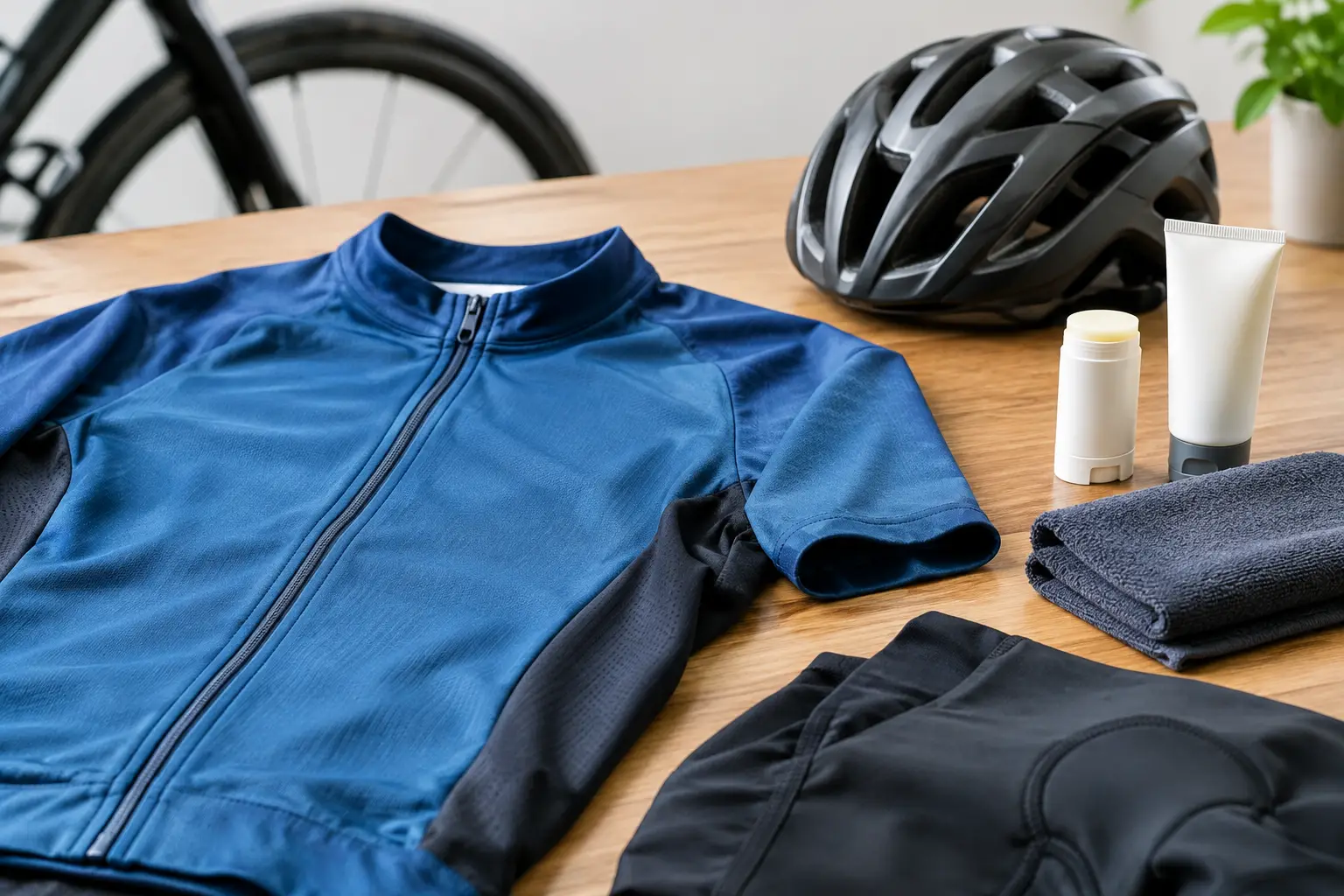
A jersey that feels fine at the café stop can become a source of cycling jersey chafing 40 miles later. The sting usually starts small: a rubbed collarbone, sore underarm, irritated nipple line or a hot patch beneath a pocket seam. Left alone, that minor friction can turn a strong ride into a day spent shifting in the saddle and counting down the kilometres.
The good news is that jersey chafing is rarely something you simply have to put up with. It is usually a fixable combination of fit, fabric, moisture and movement. Get those details right and your kit becomes what it should be: gear you barely notice while you ride.
Why Cycling Jersey Chafing Happens
Chafing occurs when repeated rubbing damages the outer layer of skin. Cycling creates the perfect conditions for it. Your upper body holds a relatively fixed position, but your shoulders, arms, torso and jersey move in small repeated patterns with every pedal stroke, reach for the bars and change in posture.
Sweat makes the problem worse. Damp skin is softer and more vulnerable, while a wet jersey can cling, fold or drag across the same spot. A warm summer sportive, indoor trainer session or rain-soaked commute can all create enough moisture for friction to build quickly.
The most common pressure points are the neckline, underarms, side seams, lower back and the chest. Riders with chest hair can experience more pulling at the fabric, while a hydration vest, backpack or heart-rate strap may add another rubbing surface. None of this means your body or your riding style is the problem. It means the contact points need managing.
The fit problem: too loose or too tight
A loose jersey seems like the obvious culprit because excess material can flap and bunch. That is true, especially around the underarms and side panels. But a jersey that is too tight can be just as troublesome. If the fabric is stretched hard across your chest or shoulders, seams and grippers press into the skin, and every reach to the drops creates tension.
Fit also changes when you ride. A jersey that feels comfortable standing upright in the bedroom may pull across the shoulders once you settle into a lower road-bike position. Test new kit in your actual riding posture, not just in front of a mirror.
Look for a jersey that sits close enough to stay stable without restricting a full breath or arm rotation. If you regularly layer up, make sure the base layer and outer jersey work together. Two garments that each fit well alone can create rubbing when their seams overlap.
Seams, zips and pockets can become pressure points
Not all cycling jerseys are cut equally. Flatlock seams generally reduce raised edges against the skin, but even a well-made seam can irritate when it lands in exactly the wrong place for your body. A zip guard that folds over, a rough care label, or a poorly positioned pocket edge can all become noticeable on longer rides.
Rear pockets deserve attention too. Loading them with a phone, multi-tool, jacket, food and oversized pump changes how the jersey hangs. The extra weight can pull the neckline backwards and create rubbing at the collar, shoulders or lower back. Spread heavier items evenly, keep the load sensible, and use a saddle bag where it makes more sense.
How to Prevent Cycling Jersey Chafing Before You Ride
The best time to deal with friction is before your wheels roll. Clean, dry kit and prepared skin make a bigger difference than most riders expect.
Start with the jersey itself. Wash it after every sweaty ride, particularly in warm weather or after indoor training. Dried sweat, sunscreen residue and detergent build-up can stiffen fabric and make it less pleasant against the skin. Use the recommended wash temperature, avoid overdoing fabric softener, and make sure the garment is fully rinsed and dry before wearing it again.
Then check the details. Trim or remove scratchy labels if the jersey design allows it. Close the zip fully or position it consistently so the puller does not bounce against bare skin. If a particular jersey repeatedly causes trouble at one seam, it may be better reserved for shorter spins rather than trying to force it into long-distance duty.
For rides where you know sweat, distance or repeated movement will be high, use an anti-chafe balm on known hot spots. Apply it directly to clean, dry skin before putting your jersey on. The aim is to create a protective glide layer, reducing drag between skin and fabric before irritation begins.
Runglide RG Anti Chafe Balm is a practical option for cyclists who want portable, petroleum-free protection in their pre-ride routine. Keep the application focused: collarbone areas, underarms, chest, lower back or anywhere a strap and jersey repeatedly meet. You do not need to coat yourself. Target the places that have caused problems before.
Fixing Chafing During a Ride
If you feel a hot spot, act early. Waiting until it becomes painful usually means the skin has already started to break down. On a long ride, stop briefly, dry the area gently if possible, adjust the jersey and remove the source of rubbing.
This might mean redistributing your pockets, loosening a hydration vest strap, changing the zip position or smoothing a fold of fabric under your arm. If you carry anti-chafe balm, reapply it to intact skin where friction is building. A 60-second adjustment can save the final hours of a ride.
Avoid repeatedly tugging at the jersey while pedalling. It can seem helpful, but pulling fabric in different directions may create a new fold or bring a seam onto another sensitive point. Make one deliberate adjustment, then give it several minutes to settle.
What to Do When the Skin Is Already Sore
Once chafing has happened, the priority is recovery, not powering through another hard session. Wash the area gently with lukewarm water and mild soap, then pat it dry rather than rubbing with a towel. Wear loose, breathable clothing until the tenderness settles.
Avoid applying fragranced products or anything that stings to broken skin. If the skin is raw, weeping, increasingly red, swollen or showing signs of infection, seek advice from a pharmacist or healthcare professional. A day off the bike can feel frustrating, but repeated friction over damaged skin can prolong the problem.
Before your next ride, work backwards from the sore spot. A rubbed collarbone points towards a neckline, backpack strap or pocket load issue. Underarm irritation may mean excess fabric, a seam conflict with a base layer or an overly tight cut. Chafing at the chest may call for a different jersey fabric, better fit or consistent use of a friction barrier.
Choosing a Jersey That Works With Your Riding
There is no single best jersey for every cyclist. A close race cut may feel excellent for fast road rides but too restrictive for touring. A relaxed commuter jersey may be comfortable upright yet bunch at the front when you use drop bars. The right choice depends on your position, ride duration, weather and how much you carry.
When buying a new jersey, pay attention to the neckline, seam placement and fabric feel as much as colour or pocket capacity. Try moving your arms through the range you use on the bike. Lean forward. Reach as if you are on the hoods and drops. If fabric pinches or a seam feels prominent before the first wash, it is unlikely to improve over four hours in the rain.
Also remember that bodies and kit needs change. Weight shifts, new handlebars, a different riding position, warmer weather or a new hydration pack can alter where friction occurs. Treat comfort as part of bike setup, not an afterthought.
A great ride asks plenty of your legs, lungs and focus. Your jersey should not be another obstacle to manage. Prepare your kit, protect the spots that rub, and give your skin the freedom to keep up with every mile you want to ride.