

Blog
Anti Chafe Balm vs Powder: Which Lasts Longer?

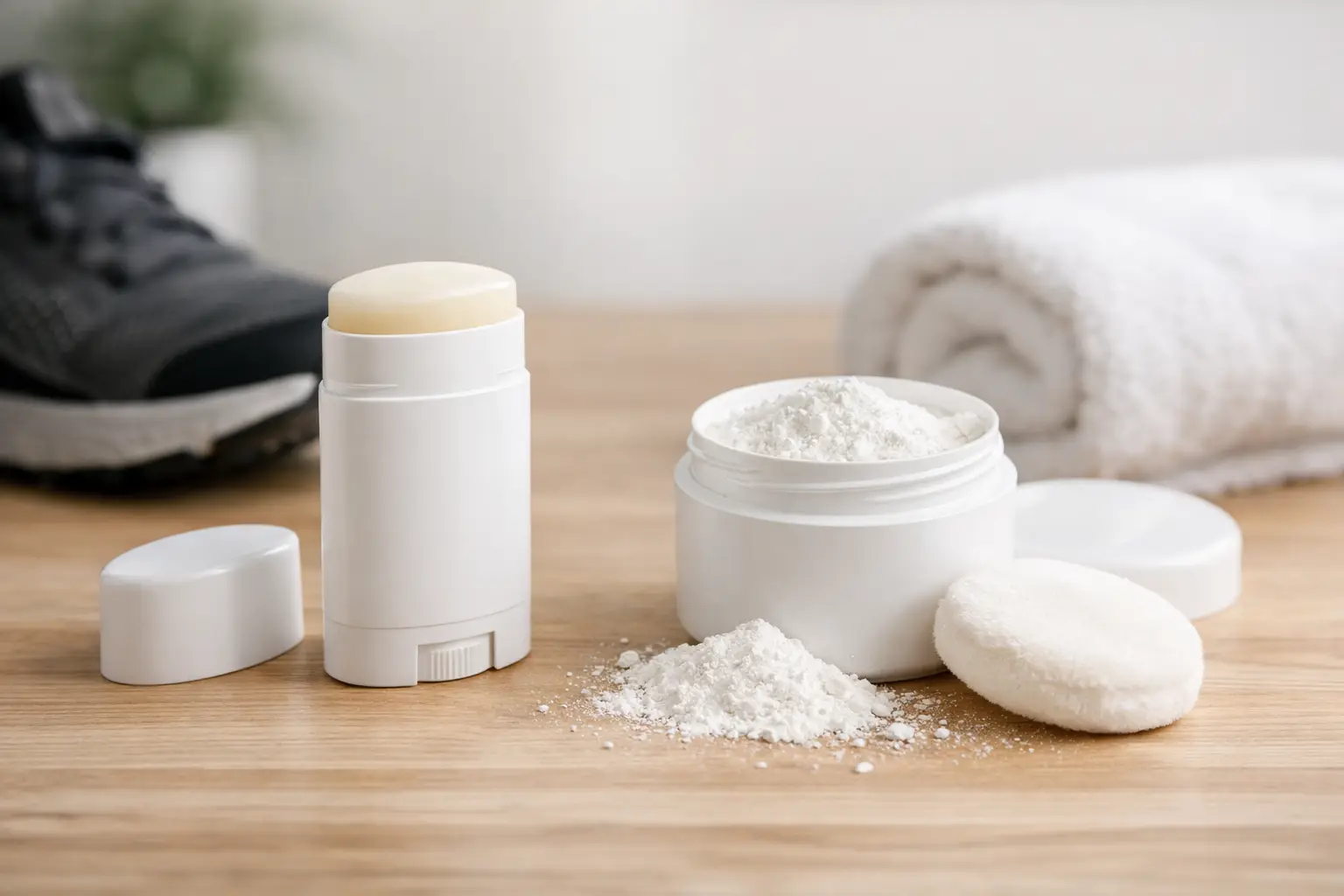
Your kit is packed, your route is planned, and then a familiar hot spot starts to rub. The anti chafe balm vs powder decision can look small, but it changes how confidently you move through a long run, a humid hike, a cycle commute or an ordinary warm day. Both options can help manage moisture and friction. They simply work in very different ways.
Powder is designed to keep skin feeling dry. Balm is designed to create a protective layer so skin, fabric and footwear glide rather than scrape. The better choice depends on where you are applying it, how long you will be active and whether sweat, rain or repeated movement are part of the plan.
Anti Chafe Balm vs Powder: the real difference
Chafing happens when repeated friction damages the outer layer of skin. Heat, sweat, salt, damp clothing and poorly placed seams can make that rubbing feel far worse. Prevention works best before your skin becomes sore.
Anti-chafe balm forms a low-friction barrier on the skin. Think of it as invisible armour for high-rub zones: inner thighs, underarms, bra lines, nipples, waistbands, toes, heels and the edges of straps. Instead of trying only to remove moisture, it helps moving surfaces slide past each other with less drag.
Powder works primarily by absorbing moisture and reducing the sticky, damp feeling that can lead to rubbing. It can be useful in areas that stay sweaty but do not experience intense, repetitive friction. It is also familiar, quick to apply and can leave skin feeling dry straight away.
That distinction matters. If moisture is your main problem, a powder may feel helpful. If friction is the main problem, especially over distance, a balm usually offers more dependable protection.
When anti-chafe balm is the stronger choice
Balm is built for movement. On a long run, every stride creates another chance for skin or fabric to rub. On the bike, you may stay in one position for hours while heat and perspiration build. During a hike, a backpack, damp socks and changing terrain can create pressure points you did not notice in the first mile.
A well-applied balm stays where you put it and continues to reduce friction as you move. That makes it particularly useful for inner-thigh chafing, heel rub, toe friction and clothing seams. It is also easier to apply precisely. A stick lets you cover a bra line, underarm or foot hot spot without coating the rest of your body or leaving powder on the bathroom floor.
Balm often performs better when conditions are wet. Sweat may make powder clump, disperse or rub away, while water on the skin can turn loose powder into an uneven paste. A friction barrier is not a substitute for changing soaked clothing when you can, but it gives your skin a better chance during a hard session or a long day outdoors.
For travel, races and busy mornings, portability is another practical win. A small stick is easy to keep in a running belt, gym bag or hand luggage. There is no cloud of dust, no need to shake it out, and no uncertainty about whether it has settled evenly.
Runglide RG Anti Chafe Balm is made for this role: targeted, easy-to-carry friction protection without petroleum or oils. Apply it before activity to clean, dry skin, with a few deliberate passes over every area that normally rubs.
Areas where balm earns its place
Feet are the clearest example. Powder can help socks and shoes feel less damp, but it cannot consistently protect a heel from the repeated shear force that causes a blister. Balm applied to the heel, toes or side of the foot can reduce that skin-on-sock friction before it starts.
The same applies to thighs. Powder may help you feel dry at first, but it can disappear as you sweat and walk. If your thighs touch with every step, a balm barrier is usually the more reliable option. For runners, this can be the difference between finishing focused and spending the last kilometres adjusting your stride.
When powder can make sense
Powder has a place, particularly for light moisture management. If you are getting dressed for a warm day, dealing with mild dampness in skin folds, or want to freshen up before a short, low-intensity outing, it can provide a dry, comfortable feel.
Some people also prefer powder inside shoes or socks when their main concern is perspiration rather than rubbing. The key is to be realistic about the conditions. On a short walk in dry weather, it may be enough. On a long hike, race day or a humid holiday, it is more likely to need reapplying and may not solve the friction itself.
Powder can be messy, too. It transfers easily to dark clothing, gathers in creases and can become less pleasant when mixed with sweat. Take care not to create airborne dust, especially in a small changing room or around the face. If you use it, apply a modest amount in a well-ventilated space and let excess powder settle before getting dressed.
Staying power, comfort and clean-up
Neither format wins every category. Balm can leave a light residue on your hands if you apply it with your fingers, though a stick minimises this. It can also feel unfamiliar if you expect dry skin to be the goal. That slight glide is the point: it reduces resistance where your body moves.
Powder feels dry immediately and may suit people who dislike any slick texture. Its downside is that it is easier to lose through sweat, movement and clothing contact. Reapplication may be necessary, which is not always realistic halfway through a run or on a trail.
For high-friction activities, durability should carry more weight than the first five minutes of skin feel. A product that feels dry but stops working after you warm up is less useful than one that stays protective through the miles.
Consider your clothing as well as your skin
Fabric choice affects the answer. Loose, breathable clothing may reduce friction enough that powder is useful for simple moisture control. Tight leggings, cycling shorts, compression layers and technical tops create more sustained contact. In those situations, a balm is usually the sensible first line of defence.
Also look for hidden rub points. Sports bra bands, hydration vests, watch straps, pack hip belts and waistbands can all create trouble even when your thighs and feet are covered. Apply balm before you feel discomfort, not after the area is already raw. Once skin is broken or severely irritated, stop applying products that sting and give the area time to recover. Seek advice from a healthcare professional if symptoms are severe, spreading or do not improve.
Can you use balm and powder together?
You can, but only when each product has a clear job. For example, you might use balm on heels, toes, inner thighs and areas under tight clothing, then use a small amount of powder in a shoe or other low-friction area where dampness is the main concern. Layering powder directly over balm is rarely helpful. The powder can stick to the barrier and create a texture that feels gritty rather than smooth.
Keep the routine simple. The more products you rely on, the harder it becomes to know what actually worked. Test your preferred approach on training days before using it for a race, long trek or event. Your skin, sweat rate, clothing and terrain are personal, so experience is the best final filter.
Choose protection that matches the miles ahead
Choose powder when you want a dry feel and are managing mild moisture during short or low-friction activity. Choose anti-chafe balm when you need targeted, long-lasting friction protection through sweat, distance and repeated movement. For many active people, that makes balm the more reliable everyday essential.
A hot spot does not need to decide how far you go. Put protection on before you leave, carry what you trust, and keep moving with comfort on your side.