

Blog
Chafing Solutions for Comfortable Movement

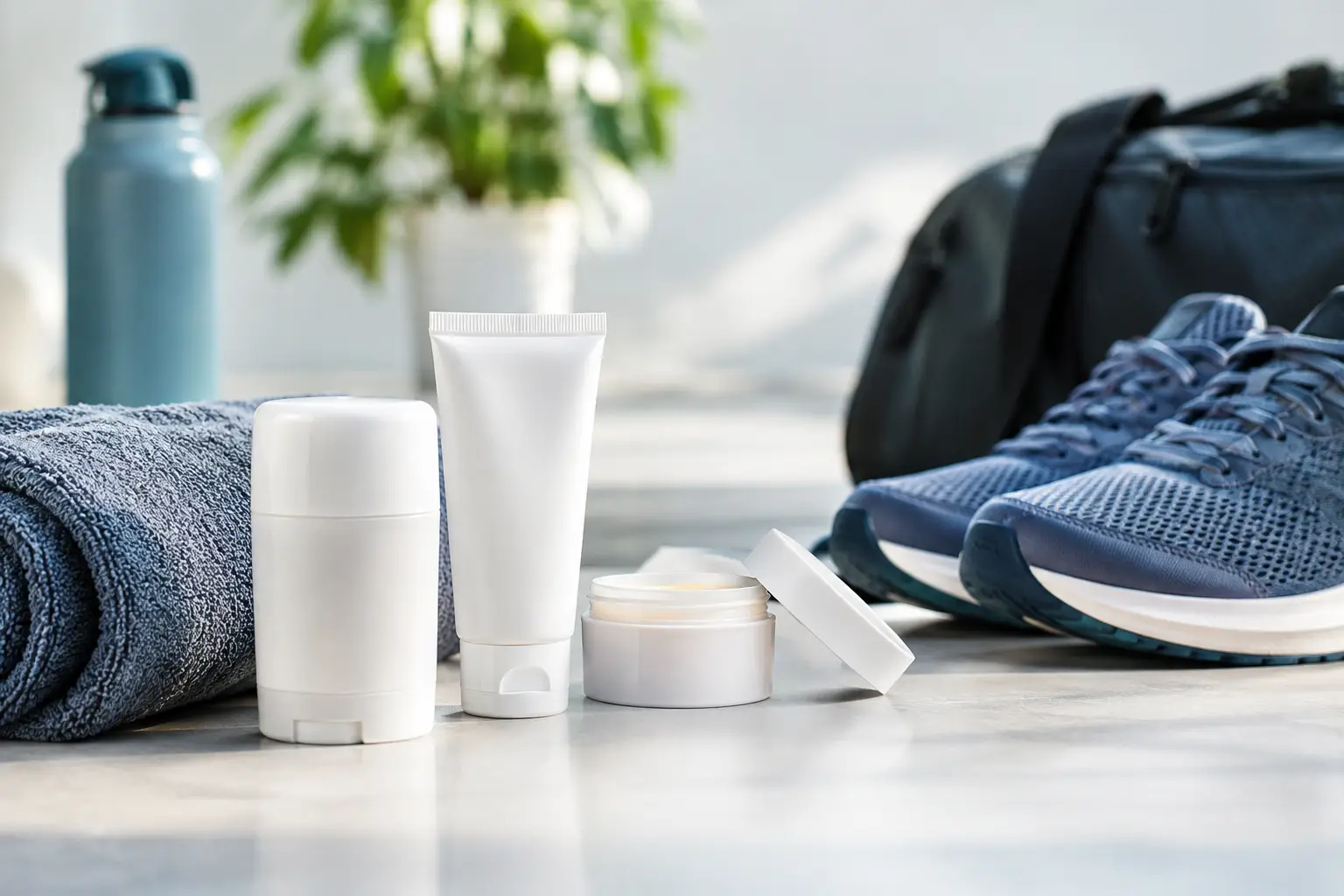
That sharp sting halfway through a run. The painful rub from a backpack strap on a hike. The inner-thigh irritation that makes a warm-day walk feel far longer than it should. Chafing is a small friction problem with a big ability to derail your day. The most effective chafing solutions do more than soothe sore skin after the fact: they help stop rubbing before it begins, so you can move with confidence.
For runners, cyclists, walkers, gym-goers and anyone spending long hours on their feet, preventing friction is part of preparation. Think of it like checking your laces or filling your water bottle. A few sensible choices before you head out can spare you days of discomfort afterwards.
Why chafing happens
Chafing occurs when repeated friction damages the outer layer of skin. Skin rubbing against skin is a familiar culprit, particularly at the thighs, underarms, under the chest and around the groin. But fabric seams, damp clothing, bra bands, waistbands, socks, shoes and sports equipment can all create the same problem.
Heat and moisture make matters worse. Sweat softens the skin and increases drag, while salt left behind as sweat dries can add further irritation. That is why a route or workout that feels perfectly comfortable in cool weather may cause trouble during a humid summer session.
Distance is only one factor. You may chafe during a short run in the rain, a long cycle, a day of sightseeing, a beach holiday or a commute with a heavy bag. Fit, fabric, body shape, pace and conditions all play a part. The useful question is not whether you are athletic enough to need prevention. It is where friction tends to show up in your own routine.
Chafing solutions start before the first step
The best time to deal with chafing is when your skin is clean, dry and unbroken. Once an area is already raw, even the right clothing can feel uncomfortable. Prevention gives you more options and lets you focus on the activity rather than constantly adjusting your kit.
A purpose-made anti-chafe balm creates a protective glide between skin and whatever is causing the rub. Apply it generously to known hot spots before you dress, train or travel. For long events, very warm days or wet conditions, take it with you for a quick reapplication. A compact stick is especially useful because it is clean to use and easy to keep in a running belt, jersey pocket or daypack.
Runglide RG Anti Chafe Balm is designed for this simple job: helping reduce friction before it becomes irritation. Its portable stick format makes it easy to build into a pre-run, pre-ride or everyday routine, whether you are preparing for a race or simply heading out for a long walk.
Clothing is the other half of prevention. Choose kit that stays in place rather than bunching, rolling or shifting as you move. Flat seams can help, while close-fitting shorts or leggings often reduce skin-on-skin friction at the thighs. That said, tighter is not automatically better. A waistband, bra band or sock that digs in may create a new pressure point, so test your kit in real conditions.
Find and protect your personal friction zones
Everybody has different hot spots. A runner might struggle with inner thighs and underarms; a cyclist may notice saddle contact, jersey seams or feet; a hiker may battle heel blisters and pack-strap rubbing. Identify the areas that repeatedly become tender, red or itchy, then protect them before the next outing.
Thigh chafing
Thigh chafing is common when bare skin repeatedly meets during walking, running or warm-weather activities. Longer shorts, fitted layers and an anti-friction balm can all help. If you wear loose shorts, check how they behave once you are moving, not just when standing in front of the mirror.
Underarms, chest and bra lines
Arm swing, sweat and seams can make underarm chafing surprisingly painful. Apply a protective barrier wherever the edge of a vest, sports bra or shirt meets skin. Runners should also pay attention to areas where a hydration vest, heart-rate strap or race bib may rub over time.
Feet and blisters
Blisters are friction injuries too. A wrinkle in a sock, damp footwear or a shoe that slides at the heel can turn a manageable run into a limp. Use socks that suit the conditions, make sure shoes fit properly, and address recurring hot spots early. A lubricant barrier can reduce rubbing, but it cannot make a badly fitting shoe fit well. If footwear consistently causes pain, it is worth reassessing the fit, lacing and size.
Waistbands, straps and equipment
Backpacks, hydration vests, cycling shorts and swimwear all have contact points that can become uncomfortable over time. Adjust straps so they are secure without cutting in, and test new gear before an event. A product that feels fine for 20 minutes may behave very differently after two hours of sweat, movement and changing terrain.
Dress for the conditions, not just the forecast
Fabric choice matters because damp material can cling, shift and rub. Technical fabrics that move moisture away from the skin are often useful for training, while cotton can hold moisture during a sweaty session. There is no universal rule, though. Some people find a particular fabric or seam more irritating than another, even when it is marketed as performance wear.
Avoid introducing multiple untested items on race day or before a major hike. New shorts, new socks, a new sports bra and a different balm make it difficult to know what caused a problem if something goes wrong. Change one variable at a time in training, particularly ahead of a marathon, sportive, trek or holiday involving lots of walking.
Weather can also change your plan. In heat, apply protection more generously and consider carrying extra. In rain, expect wet clothing and socks to alter where friction occurs. On a long winter outing, layers may create new seams at the waist, neck or underarms. Your anti-chafe routine should be flexible enough to match the day.
What to do if chafing has already started
If you notice rubbing during activity, do not try to tough it out if you can avoid it. Stop briefly, dry the area if possible, adjust the source of friction and apply protection if the skin is intact. Ignoring an early hot spot is how mild irritation becomes an open, painful patch.
Afterwards, rinse the area gently with lukewarm water and pat it dry rather than rubbing with a towel. Give the skin a break from tight clothing and repeated movement where possible. Avoid applying fragranced products or anything that stings to broken skin. If the skin is weeping, increasingly painful, swollen, hot to the touch, or shows signs of infection, seek advice from a pharmacist or healthcare professional.
Do not apply an anti-chafe product to open wounds unless its instructions specifically say it is suitable. Prevention products are most useful on healthy, intact skin before friction takes hold.
Make friction prevention part of your routine
Reliable chafing solutions are not complicated. They come down to noticing your patterns, choosing kit that works for your body, and applying protection before discomfort starts. Keep your balm where you need it: beside your trainers, in your gym bag, with your hiking gear or in your hand luggage for travel days.
The real win is not merely avoiding a red patch. It is finishing the run, reaching the viewpoint, enjoying the city walk or getting through a busy day without friction limiting what you can do. Protect the places that rub, trust the routine you have tested, and give yourself the freedom to keep moving.