

Blog
Chafing Product Reviews That Help You Move Freely

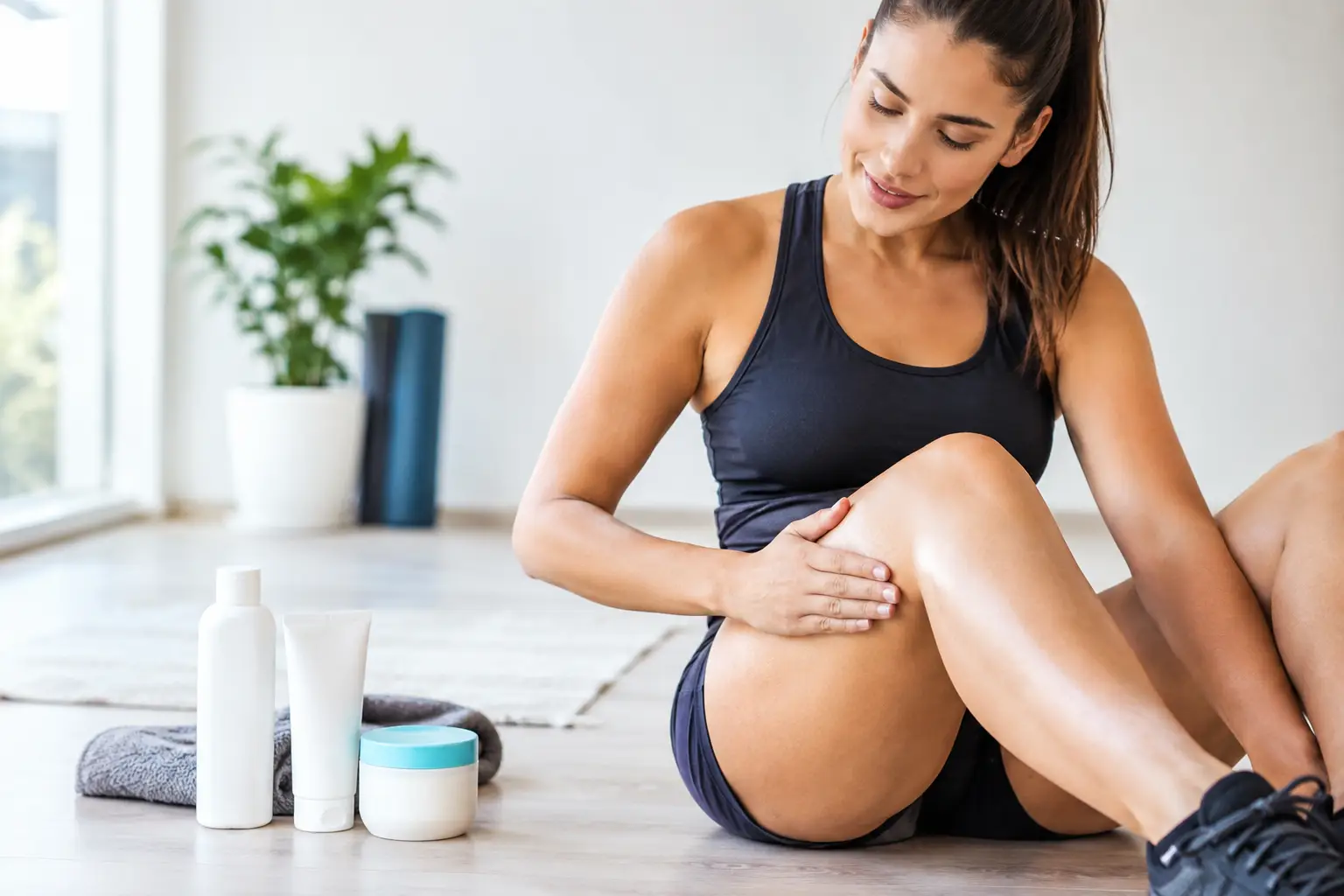
A product can feel brilliant on a five-minute walk and disappear halfway through a long run. That is why useful chafing product reviews look beyond a quick first impression. The right protection should help you focus on your route, your training or your day out – not the sting building on your inner thighs, underarms, feet or bra line.
Friction is personal. Skin type, sweat levels, clothing, weather and distance all affect what works. A cyclist in padded shorts has different needs from a hiker in damp socks, while someone wearing a dress on a warm city break may simply want comfortable, invisible coverage. Here is what to look for when comparing anti-chafe products, and how to choose protection that earns a place in your kit bag.
What Chafing Product Reviews Should Test
The strongest reviews explain the conditions in which a product was used. “Worked well” is encouraging, but it tells you little without the detail. Was it applied before a 10K, a full day of walking, a humid gym session or an everyday commute? Did it last through sweat? Was the user wearing loose clothing, compression gear or a backpack?
Look for reviews that describe both performance and feel. A formula may reduce rubbing effectively but feel sticky, transfer onto clothes or be awkward to reapply. Another may feel light and clean, yet need topping up during longer activity. Neither is automatically a poor choice. The best option depends on where you are going, what you are wearing and how long you expect to be moving.
Staying power matters more than a smooth first application
Anti-chafe products work by creating a protective barrier between skin and whatever is causing friction. For runners and hikers, that barrier needs to stay put when heat and perspiration increase. For everyday use, it should remain comfortable beneath normal clothing without leaving an obvious residue.
When reading reviews, pay attention to mentions of distance, duration and reapplication. A balm that lasts for a 30-minute walk may still be ideal for daily wear. But for a half marathon, hill day or long cycle, you want evidence that it keeps protecting when conditions get tougher.
Ingredients affect comfort as well as performance
If your skin is prone to irritation, ingredient choices matter. Some people prefer a simple balm without petroleum or oils, particularly for frequent use on sensitive areas. Others may be less concerned with the ingredient list and more focused on water resistance or grip.
A review is especially helpful when it mentions how the skin felt afterwards. Did the product prevent rubbing without clogging pores? Was it comfortable on areas that had previously been irritated? Did it wash off easily after training? No product can guarantee the same experience for every person, so patch testing is sensible when trying something new.
Packaging is part of the experience
A tub may offer plenty of product, but applying it with your fingers at a race start or on a muddy trail is not always practical. Sticks are often easier to control, cleaner to carry and quicker to reapply. Sprays can cover wider areas fast, while creams may suit people who prefer a softer texture.
Small details make a difference when you are already dressed, late for a session or packing light for a holiday. A product that is easy to use is far more likely to become a consistent habit.
Comparing the Main Types of Anti-Chafe Protection
There is no single winner for every body or activity. These are the trade-offs worth considering before you rely on a new product for a big event.
Anti-chafe balm sticks
Balm sticks are a popular choice because they apply directly where you need them. They are portable, mess-free and useful for thighs, underarms, feet, nipples, waistband lines and areas affected by sports gear. A good stick should glide on without pulling at the skin and leave a protective layer that does not feel greasy.
They are particularly practical for runners, walkers, gym-goers and travellers who need quick application before leaving home. The limitation is that extreme heat, long-duration sweat or repeated water exposure may mean reapplying. Carrying the stick in your bag solves that problem for many people.
Runglide RG Anti Chafe Balm is designed around this straightforward approach: portable, targeted friction protection that fits easily into training and everyday movement, without petroleum, oils or animal testing.
Creams and gels
Creams and gels can be useful for larger areas or for people who like to work a product into the skin by hand. They may feel more moisturising, which can be welcome on dry skin. However, this format can be less convenient when you are on the move, and some formulas can leave hands slippery or transfer to fabric if applied too generously.
Reviews should mention drying time, texture and whether the product remains comfortable under fitted kit. For cycling shorts, tight leggings or a sports bra, a formula that stays in place without becoming tacky is usually the priority.
Powders
Powders aim to reduce moisture, which can help in shoes, socks or skin folds where dampness is the main issue. They can be useful in hot weather, but powder alone may not provide enough protection where there is strong skin-on-skin friction. It can also become messy and may need frequent reapplication.
Think of powder as moisture management rather than a universal friction shield. For some activities, pairing dry, well-fitting clothing with a barrier balm is more reliable than relying on powder alone.
Tapes and patches
Tapes, dressings and protective patches create a physical layer over a high-friction point. They can work well for recurring hot spots on feet, heel rub or areas affected by a strap. Their biggest advantage is focused protection. Their drawback is that poor adhesion, sweat and movement can cause edges to lift.
For a known blister-prone spot, tape can be a smart backup. For broad areas such as inner thighs, it is usually less comfortable and less practical than a balm.
Put Reviews in Context Before You Buy
A five-star review from an ultrarunner carries useful insight, but it does not automatically mean you need the same product for a daily dog walk. Likewise, a product praised for office wear may not survive a wet trail race. Match the reviewer’s circumstances to your own.
Start with the source of friction. Skin-on-skin rubbing often responds well to a glide balm applied directly to clean, dry skin. Shoe friction may need attention to both the foot and the shoe: well-fitting socks, suitable lacing and a protective product on known hot spots. Backpack straps, wetsuits and cycling kit can create pressure points that benefit from targeted application before the irritation starts.
Then consider the conditions. In cooler weather, you may need less product and find that almost any format works. In high heat, humidity or rain, staying power becomes more important. If you sweat heavily or are training for several hours, choose a product that reviewers have tested over similar distances and pack it for reapplication.
Clothing deserves an honest look too. Even the best anti-chafe product cannot fully compensate for rough seams, wet cotton or shorts that constantly ride up. If chafing is happening repeatedly in one place, inspect the fit and fabric as well as your choice of protection.
A Simple Way to Test a New Product
Do not make your first trial the morning of a marathon, a long hike or a special event. Use a new balm, cream or tape on a shorter session first. Apply it generously enough to create coverage, but avoid piling on so much that it feels uncomfortable or marks clothing.
After the session, check more than whether there is visible redness. Notice whether the area felt warm, sticky, dry or protected. See how easily the product washed away, and whether it left any residue on kit. Repeat on a longer outing if the first test goes well.
Keep a note of what worked in different conditions. It may sound excessive, but it saves guesswork before a race, holiday or all-day event. You may find that one product is ideal for the gym, while another earns its place for endurance days.
The Verdict: Choose Protection You Will Actually Use
The most useful chafing product reviews do not promise a miracle for every person. They show how a product performs in real movement, with real sweat, clothing and time on the clock. Look for comfortable application, ingredients that suit your skin, reliable staying power and a format you can carry without fuss.
Friction does not need to decide how far you run, how long you walk or whether you wear the clothes you like. Build prevention into your routine before the first hot spot appears, and give yourself one less reason to hold back.