

Blog
15 Best Gym Bag Essentials for Better Sessions

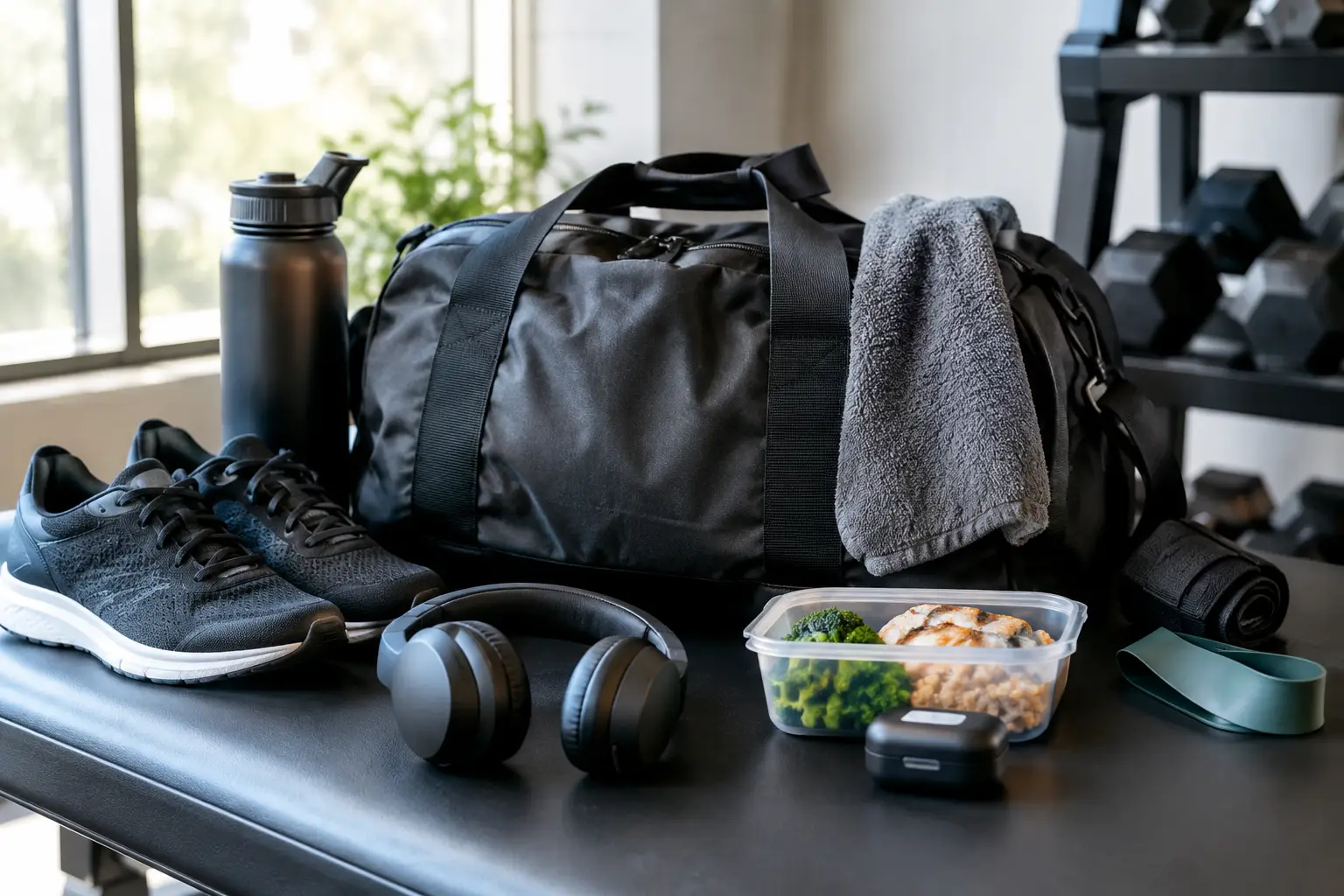
A forgotten sports bra, flat headphones or a pair of trainers that have rubbed halfway through a session can turn good intentions into an excuse to head home. The best gym bag essentials remove those little barriers before they get the chance. Think less about carrying everything you own and more about packing the few items that keep you comfortable, clean, hydrated and ready to train.
Your gym bag is part of your routine. When it is packed properly, you can train before work, fit in a lunchtime class or head straight to the gym after a long day without losing momentum. The right kit also protects your skin and your confidence, whether you are lifting, running on the treadmill or squeezing in a quick circuit.
Start with a bag that works as hard as you do
Before filling it, make sure the bag itself suits your routine. A compact holdall may be enough for a short weights session, while swimmers, commuters and anyone who showers at the gym will benefit from a larger bag with separate compartments. A ventilated section for shoes or damp clothing is especially useful. It helps contain odour and keeps your clean clothes from meeting yesterday’s sweaty socks.
Choose a bag that is easy to carry, wipe clean and open quickly. Too many tiny pockets can be as frustrating as none at all. You need enough organisation to find your essentials without emptying the whole bag onto a changing-room bench.
The best gym bag essentials to pack every time
The basics are not glamorous, but they are what make regular training easier. Keep these in your bag as your reliable foundation:
- A refillable water bottle, ideally filled before you leave home
- A clean workout outfit that matches the session and the weather outside
- Training shoes, plus fresh socks if you are changing at the gym
- A small microfibre towel for sweat, equipment and post-session showers
- Headphones and a fully charged phone, if music or a training app keeps you focused
Water deserves more attention than it usually gets. A bottle you enjoy using is more likely to come with you, and having it on hand means you are not cutting a session short because you feel drained. If your gym has refill points, a sturdy reusable bottle is the practical choice. For longer, sweatier sessions, consider adding an electrolyte tablet or sachet, especially in warm weather.
Clean socks are another small win. They reduce the chance of slipping around inside your trainers and give your feet a reset after a commute. If you train after work, a spare pair is worth its tiny footprint in your bag.
Keep friction prevention within reach
Friction is one of those problems that can start quietly and take over fast. A repetitive movement, damp fabric, a new pair of leggings or a long treadmill run can leave skin tender before you realise what is happening. Packing an anti-chafe balm means you can apply protection before the session, rather than reacting after irritation has begun.
Use it where friction is likely: inner thighs, underarms, along bra lines, under backpack straps or anywhere clothing and skin repeatedly rub. For gym-goers, it is also useful around the heels and toes when breaking in trainers. Runglide RG Anti Chafe Balm comes in a portable stick format, making it an easy piece of invisible armour to keep beside your deodorant and locker key.
There is a trade-off here. You do not need to carry a full bathroom cabinet, but a small product that prevents a session-ending problem earns its place. The goal is freedom to move, not more clutter.
Build a post-workout refresh kit
If you shower at the gym or go straight back to work, your refresh kit matters as much as your training kit. Keep it compact and refillable where possible. A travel-sized wash, deodorant, moisturiser, hair ties and a comb or brush will cover most needs. Add a shower cap if you prefer not to wash your hair after every session.
A quick-drying towel is usually more useful than a large cotton one. It takes up less space, dries faster and is easier to wash regularly. If your gym provides towels, you may not need one, but a small personal towel remains useful for wiping down equipment or freshening up.
Pack underwear and a clean top in a separate zip pouch. This simple habit stops the most common after-gym frustration: finding that the shirt you meant to wear home has been pressed against your damp kit. A lightweight tote or waterproof pouch is equally useful for carrying sweaty clothes home without affecting the rest of your bag.
Add fuel that fits your session
The right snack depends on when and how you train. Someone heading to an early spin class may want a banana or a simple oat bar beforehand. A person lifting after work may need a protein-rich snack for the journey home. The best option is one you will actually eat and that sits comfortably with you.
Keep one shelf-stable option in your bag for unexpected delays. A protein bar, nuts, dried fruit or oatcakes can stop you arriving at the gym ravenous, then rushing through the workout. Check it occasionally, though. Forgotten snacks have a habit of turning into crumbs at the bottom of a bag.
For intense training, recovery starts with normal habits rather than expensive additions. Water, a balanced meal and enough sleep do more than a bag full of powders. If protein powder suits your routine, carry a small portion in a secure container rather than hauling a full tub around.
Match your gym bag to your training style
A general gym bag is a starting point, not a fixed rule. Your essentials should reflect what you actually do. Lifters may pack wrist wraps, lifting straps, a belt or knee sleeves. Runners may need a lightweight layer for the journey home, blister plasters and a spare pair of socks. Pilates or yoga fans might add grip socks, a resistance band or a mat towel.
If you use communal equipment, hand sanitiser can be reassuring before eating or touching your face, although it should not replace washing your hands properly when you can. A small padlock is useful for lockers, particularly if your gym does not provide one. Keep it clipped inside the bag so it does not disappear when you need it most.
Avoid packing gear because you think you should use it. If lifting gloves, straps or elaborate accessories sit untouched for weeks, take them out. A lighter, more purposeful bag is easier to maintain and makes it simpler to spot what needs replacing.
Do a two-minute reset after every session
The smartest packing happens after training, not five minutes before you leave. Empty damp clothing as soon as you get home, air out trainers and wipe down water bottles. Put used towels straight into the wash. Then replace what you used, including snacks, balm and clean socks.
This reset protects your kit and makes the next workout feel easier to start. It also prevents the smell and bacteria build-up that come from leaving wet gear sealed in a bag for days. If you train several times a week, keep a small reserve of socks, toiletries and workout clothes at home so restocking never becomes a reason to skip.
A weekly check is enough for most people. Wash the bag if it is machine-safe, or wipe the inside and leave it open to dry. Look over your trainers for worn soles, top up your toiletries and remove anything that does not serve your routine.
Pack for comfort, then show up
The best gym bag is not the one with the most gear. It is the one that helps you walk through the door ready to move. Hydration, clean kit, friction protection and a few personal essentials can turn a rushed workout into a session you genuinely enjoy. Pack with your real routine in mind, reset the bag after each use and let comfort give your consistency room to grow.