

Blog
Can Balm Expire? Keep Your Stick Ready

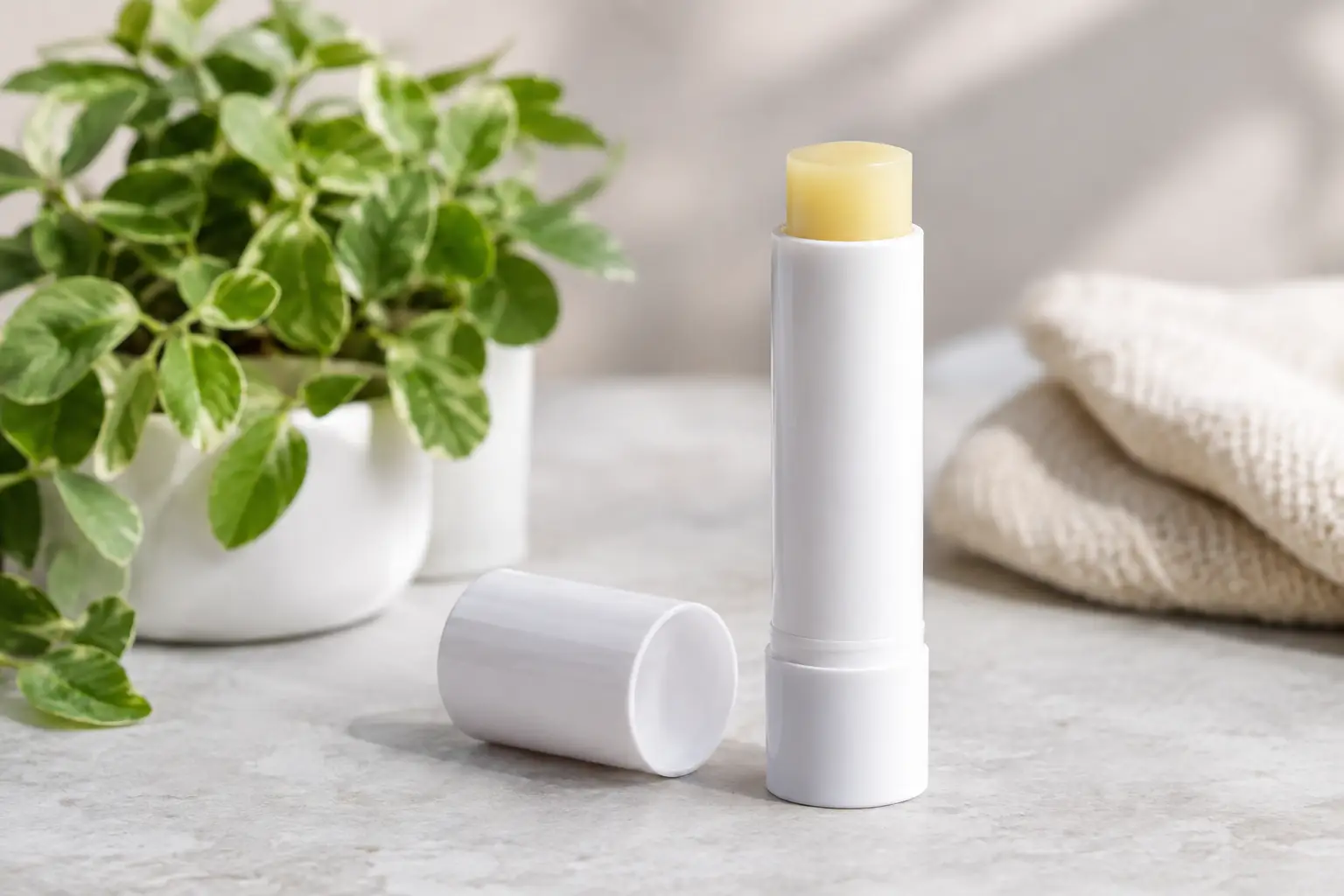
A half-used anti-chafe stick at the bottom of a kit bag can feel like a lucky find before a long run. But can balm expire? Yes. Like most personal-care products, anti-chafe balm has a usable lifespan, and age, heat and handling can all affect how well it performs.
That does not mean you need to throw away a stick simply because it has been open for a few months. It means checking it with the same practical mindset you bring to your trainers, socks and hydration plan. When friction is the problem, your balm should be a dependable layer of invisible armour – not another variable on race day, a hike or a long day on your feet.
Can balm expire, or just become less effective?
A balm can expire in two related ways. First, it can reach the date or period-after-opening guidance provided by the manufacturer. Second, its formula can change before then because it has been exposed to conditions that compromise its texture, scent or performance.
Anti-chafe balm works by creating a smooth barrier between skin, clothing, footwear or equipment. If that barrier becomes grainy, overly soft, dry, separated or difficult to apply, it may no longer glide evenly where you need it. That can leave areas exposed to the rubbing that causes hot spots, irritation and chafing.
The exact lifespan depends on the formula and the storage conditions, so the label is always your best starting point. Look for an expiry date, batch information or the small open-jar symbol, which indicates how many months the product is intended to be used after opening. If you cannot find clear guidance, contact the manufacturer rather than guessing.
Natural ingredients do not automatically mean a shorter life, nor do synthetic ingredients automatically mean a longer one. What matters is the finished formula, its preservative system where relevant, the packaging and how you treat it once it is in your hands.
Signs it is time to replace your anti-chafe balm
Your senses are useful here. A balm that looks, smells and feels as it should is generally more reassuring than one that has clearly changed. You do not need a laboratory test to notice when something is off.
A change in smell is often the clearest signal. If your stick has developed a stale, sour or unusual odour, stop using it. The same applies if the colour has noticeably changed, if you can see spots or mould, or if the surface looks contaminated.
Texture matters just as much for an anti-friction product. A stick that has become unusually hard may drag across the skin instead of gliding. One that has melted and reset repeatedly may feel uneven, grainy or unstable. Separation, sweating, crumbling or an oily residue that was not there when the balm was new can all be signs that the formula has been stressed.
Be cautious if the product causes unexpected stinging, redness or discomfort, particularly if you have used that same balm without issue before. Skin can react for many reasons, including sweat, shaving, existing irritation and other products. Still, a changed balm is not worth testing repeatedly. Stop use and replace it if you suspect it has deteriorated.
Do not try to rescue a questionable stick by scraping off the top or mixing it together. Once a product appears contaminated or has changed significantly, the safest choice is a fresh one.
Heat is the biggest threat in an active routine
Most people do not deliberately store balm badly. It happens in the ordinary rush of getting out the door: a stick stays in a car after a gym session, sits on a sunny windowsill, or spends a week in a warm backpack between trips.
High heat can soften or melt a balm. When it cools, it may still look usable, but repeated melting and solidifying can alter the way it applies. Extreme temperatures can also affect fragrance and ingredient stability. A hot car is particularly unforgiving, even on a day that feels mild outside.
Cold is usually less damaging than heat, although very low temperatures can make a stick firmer and harder to apply temporarily. Let it return naturally to room temperature before using it. Avoid placing it on a radiator, using a hairdryer or leaving it in direct sun to speed things up.
For reliable performance, keep your balm in a cool, dry place away from direct sunlight. A cupboard, drawer or dedicated toiletry pouch works well. Taking it in a running vest, cycling jersey pocket or hiking pack is absolutely practical – just bring it indoors afterwards rather than leaving it in a vehicle or by a heat source.
Hygiene protects both your skin and your stick
Stick balms are designed for direct, quick application, which is exactly what makes them useful when you are changing at the gym or preparing at a trailhead. A little care keeps that convenience working in your favour.
Apply to clean, dry skin whenever possible. Sweat is part of sport, but applying over heavy dirt, grit or a layer of old product can transfer debris to the stick and reduce the smoothness of the barrier. If you are reapplying mid-event, make a sensible judgement: a quick top-up is often worthwhile, but avoid applying directly over broken skin or an open blister.
Keep the cap on securely after every use. This prevents lint, dust and the mystery fibres that collect in kit bags from settling on the balm. If the stick touches an area with an active rash, infection or broken skin, do not use it elsewhere on your body afterwards. That is a good moment to retire it or follow the product maker’s hygiene guidance.
Sharing a stick is not ideal, especially among teammates, family members or fellow travellers. Your anti-chafe balm is a personal item, much like a deodorant stick. Separate sticks are a simple way to keep routines more hygienic.
How to get the best life from a balm stick
You do not need a complicated care routine. Use the product within the stated timeframe, store it sensibly and inspect it before a major event. If you are packing for an ultra, a walking holiday or a multi-day cycling trip, take a newer stick rather than relying on one that has lived in your bag since last season.
It also helps to avoid winding the balm up too far. Exposing only what you need reduces the chance of it snapping, rubbing against the cap or picking up debris. Close it firmly, then store it upright where practical.
There is a balance to strike with buying ahead. Having a spare means you are never without protection before a race or a long summer walk. Stockpiling more than you can use before the labelled date, however, creates avoidable waste. Keep one in your active kit, one at home if your routine calls for it, and rotate through them.
Runglide Anti Chafe Balm is made for the moments when movement matters, from a quick lunch break walk to a long-distance challenge. Treating your stick as a piece of performance kit helps it stay ready to do its job: reduce friction so you can focus on the miles, not the irritation.
What if the balm is past its date but looks fine?
The sensible answer is that it depends on the date, the product’s condition and the manufacturer’s instructions. An expiry date is there for a reason: it marks the point beyond which the maker no longer guarantees the product will meet its intended quality and safety standard. If a balm is past that date, replacement is the lower-risk choice.
If you are looking at a period-after-opening symbol, consider when you first opened it and how it has been stored. A well-kept stick may appear normal, but appearance alone cannot confirm that every ingredient is performing as intended. For high-friction activities, where a failed barrier can quickly turn into painful chafing or a blister, fresh product offers more confidence.
This is especially true before an event you have trained hard for. The morning of a half marathon, a mountain hike or a day spent travelling is not the time to gamble on a balm that smells slightly odd or feels different from usual.
Your gear should remove obstacles, not create them. Keep your balm clean, cool and capped, replace it when the label or your senses tell you to, and head out knowing your skin protection is ready to move with you.