

Blog
Can Anti Chafe Balm Stain Clothes? The Facts

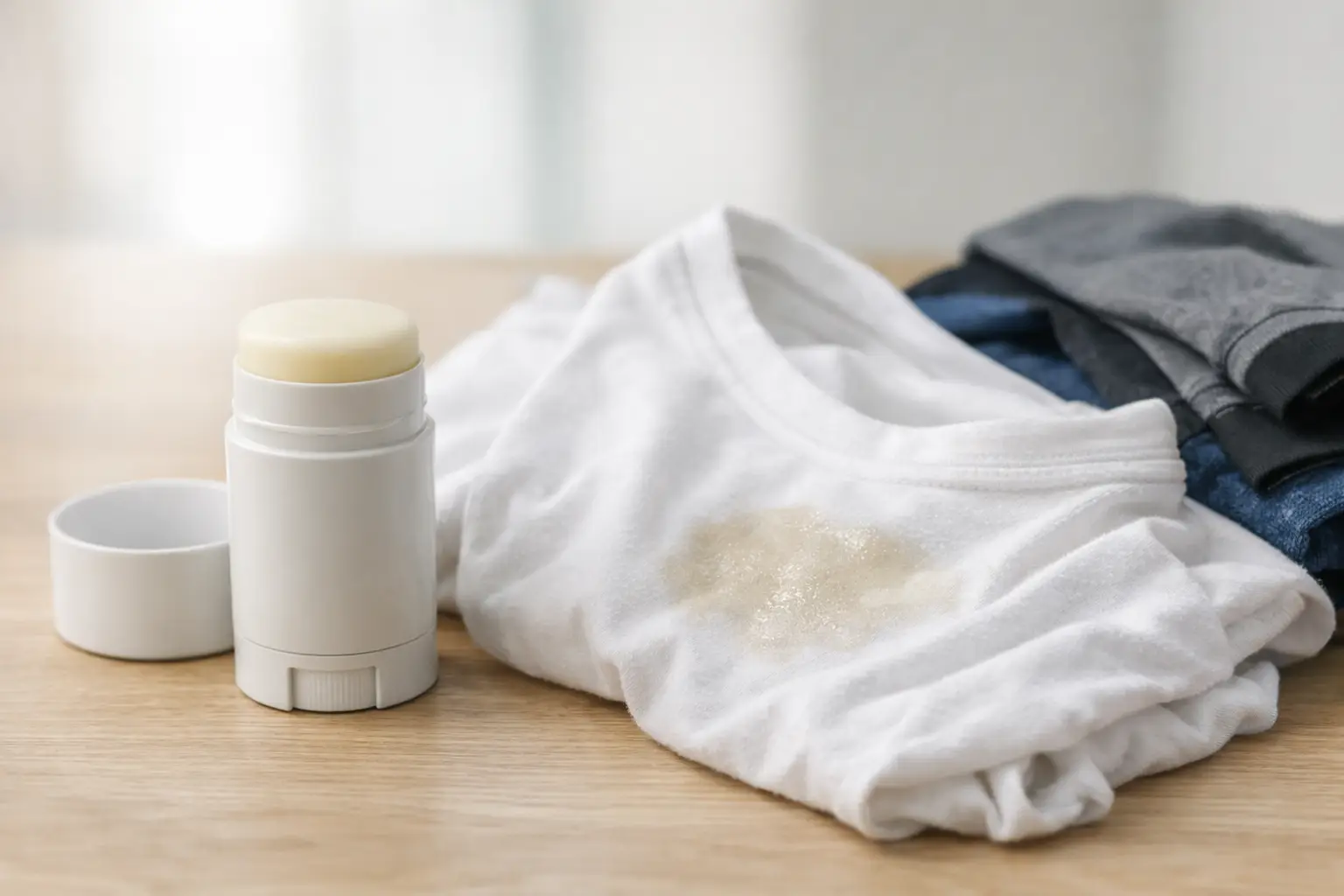
You finish a long run, peel off your favourite shorts and spot a faint mark near the inner thigh. Naturally, the question follows: can anti chafe balm stain clothes? The honest answer is that it can happen, but it is far from inevitable. It depends on the balm formula, how much you apply, the fabric you are wearing and how quickly the garment is washed.
A good anti-chafe balm should create a protective barrier on skin, not leave you worrying about your kit. With the right application and a sensible wash routine, you can protect high-friction areas and keep your running, hiking and everyday clothes in great condition.
Why anti-chafe balm can leave marks
Most marks associated with body balms come from ingredients that transfer from skin to fabric. Rich waxes, butters and oil-based ingredients can leave a darker-looking patch on lightweight cotton, pale synthetic fabrics or close-fitting sportswear. Heat, sweat and pressure can increase that transfer, especially on a hot day or during a long session.
That does not always mean the garment is permanently stained. Sometimes it is simply a temporary residue that becomes more noticeable when fabric is damp. In other cases, a build-up of sweat, deodorant, laundry detergent and balm can create a stubborn mark that needs a more targeted wash.
Formula matters here. Some anti-chafe products use heavy petroleum or oily bases, which can be more difficult to remove from fabric. Others are designed to feel lighter and minimise greasy transfer. Runglide RG Anti Chafe Balm is made without petroleum or oils, helping active people create their invisible armour against friction without adding an unnecessarily heavy feel to their routine.
Can anti-chafe balm stain clothes permanently?
Usually, no. Most balm marks respond well when you treat them promptly and avoid setting them with heat. The biggest mistake is putting a marked garment straight into a hot tumble dryer. Heat can make oily or waxy residue cling more firmly to the fibres, turning an easy wash into a more persistent job.
The fabric also changes the answer. Technical running tops and leggings are often made from polyester, nylon or elastane blends. These fabrics are excellent at managing moisture, but can hold on to body oils and product residue if washed at a low temperature with too little detergent. Cotton is generally easier to treat, although pale cotton may make any residue more visible at first.
Delicate fabrics need more care. Merino, silk and garments with specialist waterproof coatings should always be washed according to their care label. Avoid harsh spot treatments unless the product is suitable for that material. Protecting your clothes should never mean compromising the performance features you bought them for.
Apply less, then let it settle
The most reliable way to prevent transfer is not to skip balm. It is to apply the right amount. A few light swipes over clean, dry skin are normally more effective than a thick layer. You want coverage across the area where friction happens, whether that is the inner thighs, underarms, bra line, feet, waistband or a pack-rub point.
Give the balm a moment to settle before getting dressed. This is particularly useful before pulling on compression shorts, leggings or a cycling bib, where close fabric contact can press excess product straight into the material. If you can feel a thick, tacky layer sitting on the skin, gently smooth it in rather than adding more.
Reapply when the activity calls for it, not automatically. An ultramarathon, a full day hiking in wet weather or a long-distance cycle may need a top-up. A short walk to the shops probably will not. Matching your application to your day saves product and reduces the chance of excess transfer.
What to do if balm gets on clothing
Act before wash day if possible. First, check the garment is dry, then gently lift away any visible excess with a clean cloth or the back of a spoon. Avoid rubbing hard. Rubbing can push residue deeper into the fibres and roughen delicate performance fabrics.
Next, pre-treat the area with a small amount of laundry detergent that is suitable for the garment. Work it in gently with your fingers, leave it for a short time and wash as directed on the care label. For most activewear, that means a cool or warm wash rather than a very hot one. A detergent designed for sports kit can be useful if the clothing also carries sweat and body-oil build-up.
Once washed, inspect the area before drying. If the mark remains, repeat the pre-treatment and wash. Air-drying is the safest choice until you are sure the residue has gone. The same approach works for a balm mark on casual clothes, though always test a stain treatment on a hidden section first if the fabric is coloured or delicate.
Do not reach immediately for fabric softener. It can coat technical fibres and reduce the moisture-wicking performance that makes activewear comfortable in the first place. Bleach is also a poor first move, particularly on coloured kit and stretchy fabrics. Gentle, consistent treatment wins more often than aggressive cleaning.
Clothing choices that help prevent balm transfer
Your kit can make a difference. Breathable, well-fitting shorts, leggings and underwear reduce movement between skin and fabric, so there is less friction and less need for frequent reapplication. Clothing that bunches, rides up or stays soaked with sweat can increase both chafing and product transfer.
For long events, choose colours and fabrics you trust. Darker technical shorts are practical for muddy trails, unexpected rain and the realities of endurance sport, but do not buy them solely to hide marks. The better goal is comfortable clothing, a balanced balm application and a wash routine that respects the garment.
It also helps to put balm on before you start layering up. Apply it to likely friction zones, let it settle, then dress. This small habit is useful whether you are heading out for a run, travelling on holiday, walking all day in warm weather or spending hours in a saddle.
A quick check before trying a new balm
If you have a specific white race vest, expensive merino base layer or wedding outfit in mind, test any body balm before relying on it for a big day. Apply a small amount to the intended skin area, wear an older garment of similar fabric for a short period, then wash it normally. It is a simple way to see how your skin, your clothing and the product work together.
Read the ingredient list too. There is no single ingredient that guarantees a stain, because fabric, sweat levels and washing habits all play a part. However, if avoiding greasy transfer is high on your priority list, look for a balm formulated for active use and apply only the amount you need.
Comfort is still the priority
A faint washable mark is easier to deal with than skin rubbed raw halfway through a race, hike or busy day on your feet. Anti-chafe balm earns its place in your kit by preventing the friction that can cut a good session short. The aim is not to coat your clothes. It is to give your skin a dependable layer of protection where movement creates trouble.
So, can anti-chafe balm stain clothes? Occasionally, yes, particularly when a rich product is overapplied or heat sets the residue. But with a lightweight formula, a few controlled swipes and prompt laundry care, it should not stand between you and the miles, trails or everyday movement ahead. Keep moving freely, and let your clothing work as hard as you do.