

Blog
How to Choose a Natural Blister Prevention Product

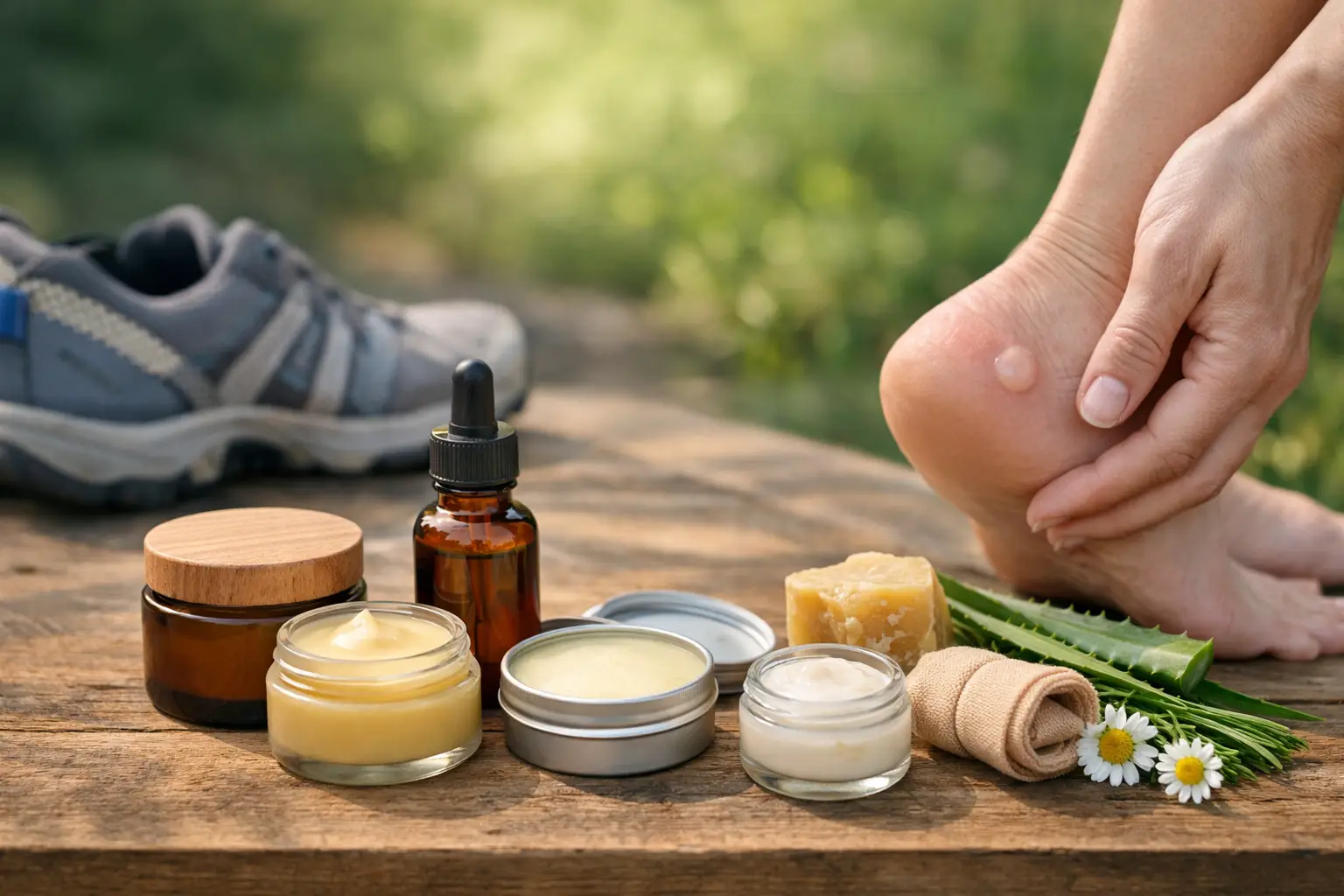
A blister rarely starts as a dramatic problem. It starts as a hot spot on mile three, a rub at the heel on a long walk, or that familiar sting under the ball of your foot when you still have half the day ahead of you. A good natural blister prevention product steps in before any of that turns into lost training, slower movement, or a miserable journey home.
If you are active regularly, you already know the real issue is not just skin. It is friction, heat, moisture, and repetition working together until your foot gives in. That is why choosing the right product matters. The best option does not simply feel nice when you apply it. It needs to hold up when you sweat, move, and keep going.
What a natural blister prevention product should actually do
A blister prevention product has one job – reduce friction before the skin gets damaged. That sounds simple, but plenty of products miss the mark because they focus on softness or scent rather than performance. If you run, hike, cycle, train in the gym, or spend long hours on your feet, you need something that creates a reliable barrier where rubbing starts.
A natural formula should do that without leaving your skin greasy, clogging up socks, or breaking down too quickly. It should stay where you put it, feel comfortable through movement, and help your skin keep doing its job. In practice, that means less sliding inside the shoe, fewer hot spots, and more confidence once you are moving.
This is where the word natural needs a bit of honesty around it. Natural does not automatically mean better for performance, and it certainly does not mean every balm or stick is built for sport. Some natural products are great for moisturising but poor at handling repeated friction. Others feel pleasant for ten minutes, then vanish as soon as heat and sweat build.
Natural ingredients matter, but performance matters more
When people look for a natural blister prevention product, they are often trying to avoid heavy petroleum-based formulas, unnecessary fillers, or products that feel overly synthetic. That is reasonable. If you are applying something to your skin regularly, ingredient quality matters.
But the better question is this: how do those ingredients behave when your feet are under pressure?
A strong formula should combine skin-friendly ingredients with genuine staying power. You want a product that glides on easily yet does not turn oily. That balance is important. Too dry, and it may drag on the skin or wear off unevenly. Too slick, and it can feel messy or affect the feel of the shoe. The sweet spot is a protective layer that reduces rubbing without making your foot feel unstable.
For active use, simpler is often better. A focused anti-friction formula usually outperforms a general skincare product trying to do ten jobs at once. If your goal is blister prevention, choose something built specifically for friction-prone areas rather than a lotion, cream, or butter designed for everyday moisturising.
Where the right natural blister prevention product makes the biggest difference
Blisters are common on the heel, toes, arch, and ball of the foot, but the exact pressure points vary. A road runner may feel rubbing at the back of the heel. A hiker on uneven terrain may get friction around the toes during descents. Cyclists often notice repeated pressure in the same spots because of fixed foot position. Even everyday walking can trigger hot spots if shoes are stiff, weather is warm, or you are travelling more than usual.
That is why application matters just as much as product choice. The best results usually come from using the product before discomfort starts, not after. Once the skin is already irritated, you are managing damage rather than preventing it.
A portable stick format tends to make this easier. It is quick, clean, and practical enough to keep in a gym bag, running belt, suitcase, or work bag. That convenience sounds minor until you are getting ready at 6 am or packing for a weekend away. If a product is awkward to use, people stop using it consistently.
How to judge whether a blister product is right for your routine
The fastest way to narrow down your options is to think about your actual movement, not an idealised version of it. Someone training for a half marathon needs different staying power from someone looking for extra comfort on city walks. Likewise, a balm that works beautifully for dry winter miles may feel different during a humid summer race.
Start with duration. If you are active for long periods, choose a product designed to last rather than one that needs constant reapplication. Then think about sweat. The more moisture involved, the more important it is that the formula keeps reducing friction instead of disappearing.
Texture is another factor people often overlook. A product can be natural and effective, yet still not suit your preference. Some people want a lighter feel they barely notice. Others want a more obvious layer of protection for longer sessions. Neither is wrong. It depends on how sensitive your feet are, how snug your footwear is, and how much friction you usually experience.
The limits of any natural blister prevention product
Even the best product is not magic. If your shoes do not fit properly, your socks trap moisture, or your feet are moving too much inside the shoe, no balm can solve everything on its own. Blister prevention works best as a system.
Shoe fit is the first part of that system. Tight spots create pressure. Loose spots create movement. Both can lead to rubbing. Socks matter too. Breathable, well-fitted socks help manage moisture and reduce fabric bunching, while worn-out socks can create friction points of their own.
It also depends on the activity. Trail running, long-distance walking, and warm-weather travel all bring different friction patterns. You may need to apply the product in different places depending on the situation. What works for an easy 5K may not be enough for a full day on your feet.
That is not a weakness of the product. It is just the reality of how blisters form. The more honestly you look at your routine, the easier it is to find a solution that keeps up.
Why a targeted anti-friction balm often beats general foot care
A lot of people try to prevent blisters with products they already have at home. Moisturisers, creams, powders, and even improvised household solutions all get used in the hope that something will help. Sometimes they do, briefly. Often they do not.
The problem is that general foot care is not the same as friction control. Moisturising is helpful for skin health, but it does not automatically create a durable anti-rub barrier. Powders may help with moisture, but they can struggle once sweat increases. Thick creams can soften skin yet feel too messy for active use.
A targeted balm is built with movement in mind. It is there to reduce skin-on-sock and skin-on-shoe friction in a controlled, repeatable way. That focus is what makes it useful, especially for people who are tired of trial and error before every run or walk. Brands such as Runglide have built around that exact problem – not broad skincare claims, just practical friction prevention that helps you stay comfortable and keep moving.
What to look for on the label
When comparing options, avoid getting distracted by packaging language alone. Natural, clean, and skin-friendly all sound good, but they only matter if the product performs.
Look for a formula designed specifically for anti-friction use, ideally in a format that is easy to apply directly to blister-prone areas. Check whether it avoids ingredients you personally prefer not to use, such as petroleum-based components. If cruelty-free standards matter to you, confirm those too.
Then consider the user experience. Does it go on cleanly? Is it easy to carry? Will you actually remember to use it before you head out the door? The right choice is the one that fits real life. That is what turns a useful product into a reliable habit.
The best choice is the one you will use before every session
The smartest blister prevention routine is usually the simplest one. Apply the product to known hot spots before activity. Pair it with shoes that fit and socks that support airflow. Pay attention when conditions change, especially with heat, distance, or new footwear.
A natural blister prevention product should give you one clear advantage – freedom to move without waiting for that first sting. When it does its job properly, you do not think about your feet at all. You just run, walk, train, travel, and get on with it.
That is the real win. Comfort is not soft or optional. It is what lets you stay consistent, go further, and enjoy the miles you have planned instead of managing pain you could have prevented.