

Blog
Body Glide for Chafing: What to Look For

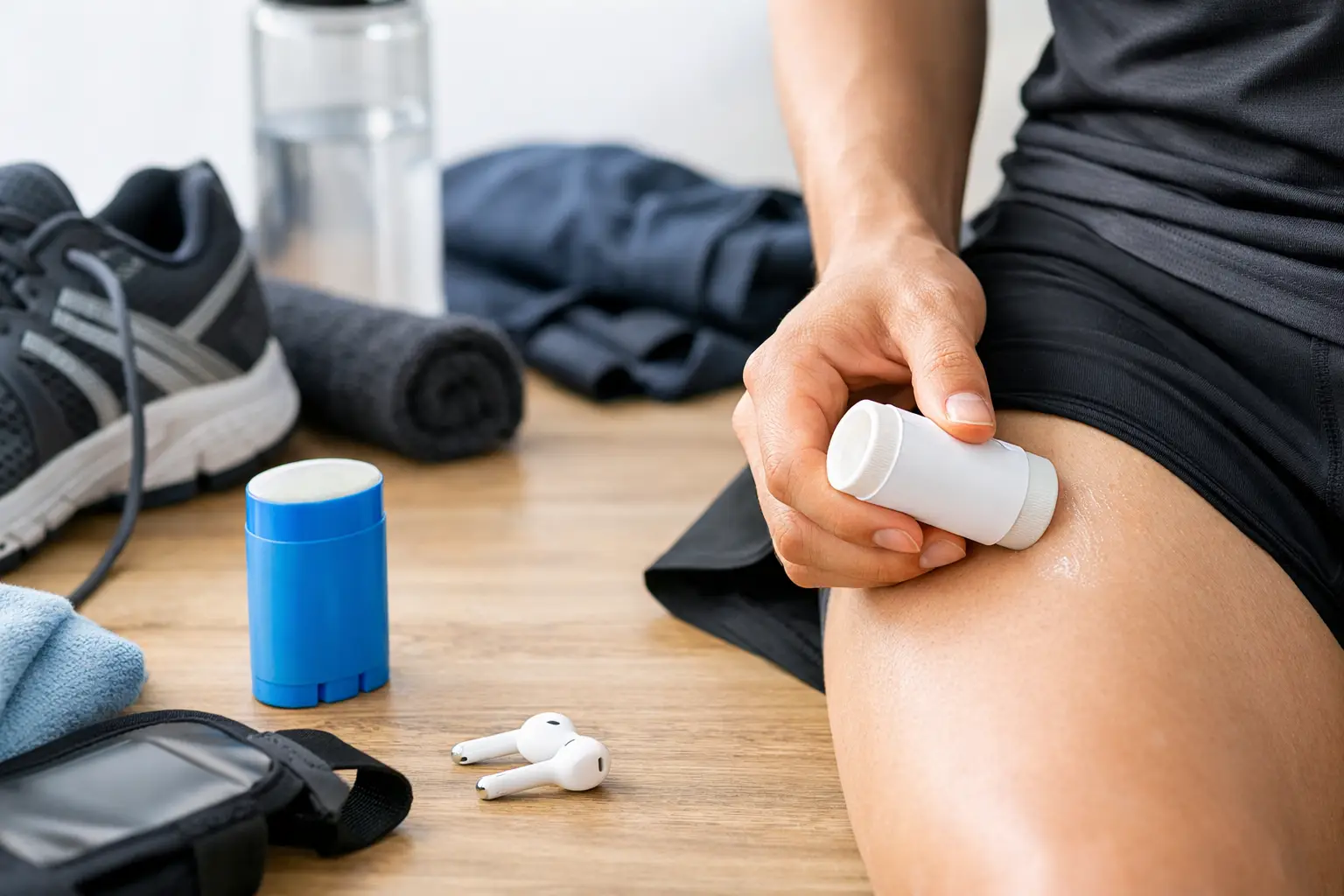
A run can be going perfectly until a familiar sting starts at your inner thighs, under your sports bra or around your heel. Body glide is the search term many active people use when they need friction protection that works before skin becomes sore. The right anti-chafe balm creates a protective barrier at the places that repeatedly rub, helping you stay focused on the route, the ride or the day ahead.
Chafing is not a sign that you are unfit, wearing the wrong size, or not tough enough. It is simply what happens when movement, moisture, heat and pressure keep meeting the same patch of skin. A little preparation can make a serious difference, whether you are training for a marathon, hiking for hours, commuting by bike or wearing summer clothes on holiday.
What does body glide do?
People often use “body glide” as shorthand for an anti-chafe balm, although it is also the name of a specific product range. The principle is straightforward: apply a balm before activity to reduce drag between skin, fabric, footwear or equipment. Less friction means less heat, less rubbing and a lower chance of raw skin, hot spots and blisters.
Think of it as invisible armour for high-friction areas. It should feel light, stay where you apply it and let you move normally. A stick format is especially useful because it applies directly to targeted areas without covering your hands in product.
Prevention is the key word. Once chafing has broken the skin, most anti-friction balms are not a substitute for proper wound care and rest. Applying before you feel discomfort gives you the best chance of finishing comfortably.
Where to apply body glide before activity
Your friction points are personal. They can change with your kit, the weather, distance and even how much you sweat. Start with the areas that have bothered you before, then adapt as you learn what your body needs.
For runners and walkers, inner thighs, groin creases, underarms, nipples and bra lines are common zones. Hikers may also need protection where backpack straps, waist belts or clothing seams meet the body. Cyclists often focus on areas that contact the saddle, as well as feet and shoe pressure points.
Feet deserve their own attention. Apply balm to clean, dry skin around the heel, toes, ball of the foot or anywhere a shoe has previously caused a hot spot. It can also help where socks bunch or shoe uppers rub. For a long event, carry the stick so you can reapply if conditions change.
Do not forget everyday friction
Anti-chafe protection is not just for race day. Warm-weather walks, long travel days, work uniforms, dresses, compression wear and time spent on your feet can all create uncomfortable rubbing. If an area tends to chafe during ordinary movement, it is a valid place to apply balm.
The goal is freedom to move without having to think about your skin every few steps.
How to use body glide effectively
Apply the balm directly to clean, dry skin before getting dressed or beginning your activity. Use enough to create an even layer, but do not feel you need to over-apply. A few firm swipes over the full friction zone are usually more useful than a tiny patch in the centre.
Give special attention to the edges of a bra band, shorts seam or sock line if that is where rubbing begins. Then put on your usual kit and check that it sits as expected. A balm can reduce friction, but it cannot fully compensate for clothing that is soaked, badly fitted or rough against the skin.
For shorter sessions, one application may be all you need. On an all-day hike, ultra run, long cycle or humid holiday, reapplication is sensible. Sweat, water exposure, repeated rubbing and changing layers can reduce how long any protective product lasts.
There is a balance to strike. Reapplying early is easier than dealing with a flare-up, but there is no need to interrupt every session on a rigid schedule. Let the duration, conditions and your previous experience guide you.
Choosing a body glide product that suits your routine
Not every anti-chafe product feels or performs the same way. Some people prefer a richer formula for very dry conditions, while others want a clean-feeling stick that will not leave an oily residue on clothing or hands. Your activity and skin preferences matter.
Look closely at the formula, rather than choosing on packaging alone. If you prefer to avoid petroleum or oils, choose a balm designed around ingredients that create a smooth protective layer without that feel. If ethical purchasing is important to you, cruelty-free credentials can also be part of the decision.
Portability matters more than it seems. A compact stick belongs in a running belt, hiking pack, gym bag or hand luggage. When you can take it with you, it is easier to protect new hot spots before they turn into a problem.
It is also worth considering whether you want a product designed for specific needs. Women’s cuts and kit can create distinct friction points around the chest, waistband and thighs. The best choice is not about a label alone, but about finding a formula and format you will genuinely use consistently.
Runglide Anti Chafe Balm is built for that practical, grab-and-go role, with a petroleum-free, oil-free and cruelty-free formula in an easy stick format.
Friction prevention works best as a system
A body glide balm is a powerful part of your kit, not the only answer. If you repeatedly chafe in the same place, review the conditions around it. A seam may be sitting in the wrong spot, a shoe may have lost its shape, or your fabric may be retaining too much moisture.
For running and gym sessions, breathable, well-fitted clothing can reduce the amount of rubbing in the first place. Avoid wearing new kit for the first time on an important long run. For hiking, test socks, boots and pack adjustment on shorter outings before a full-day route. For cycling, a properly positioned saddle and suitable shorts can make as much difference as the product you apply.
Hydration and weather have a role too. Salt from sweat can make skin feel more abrasive, while rain can leave fabric wet for hours. On hot days, apply protection more broadly than usual. In wet conditions, consider carrying dry socks and dealing with damp footwear promptly when you can.
When a balm is not the right next step
If skin is already broken, bleeding, weeping, very painful or showing signs of infection, stop applying friction products to that area and seek appropriate medical advice. Continuing to run, ride or hike through severe chafing can turn a manageable irritation into a longer recovery.
The same applies to blisters. A balm is most valuable before one forms or when protecting nearby areas from further rubbing. Once a blister is significant, reduce friction, protect the skin appropriately and make a sensible call on whether continuing is worth it.
If you develop redness, itching or irritation after using any new product, discontinue use and check the ingredients. Patch testing can be sensible for sensitive skin, particularly before a major event or a long day outdoors.
Build it into your pre-session routine
The most useful anti-chafe product is the one you remember to use. Keep a stick beside your trainers, in your gym bag or with your hiking essentials. Apply it at the same point you put on your socks or fill your water bottle, and it soon becomes automatic.
From Newry to trails, roads and gym floors around the world, the principle remains the same: protect the spots that hold you back before they get the chance. A few seconds of preparation can leave more of your energy for the miles, views and progress that made you head out in the first place.