

Blog
Anti Chafe Stick Ingredients Explained Clearly

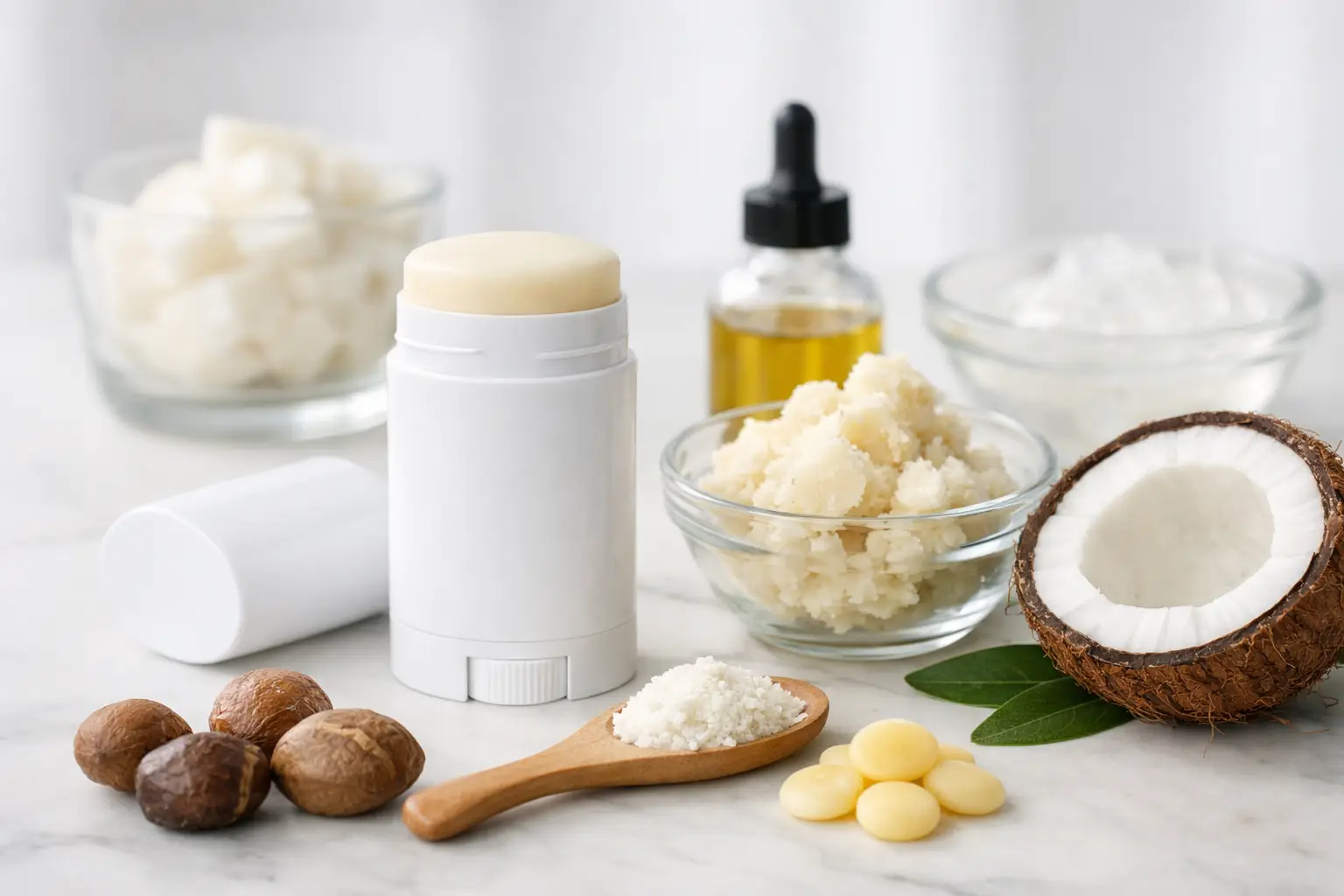
A good anti-chafe stick should feel almost unremarkable once it is on: no sticky distraction, no slippery residue, and no painful rubbing miles into a run. That is why anti chafe stick ingredients explained properly matters. The formula is not just a list on the back of the pack. Each ingredient helps create a protective layer that lets skin, fabric and footwear move with less friction.
For runners, hikers, cyclists and anyone dealing with thigh rub, bra-line irritation or hot spots on the feet, the goal is simple: keep moving comfortably. Knowing what is inside your stick helps you choose protection that suits your skin, your activity and the conditions you train in.
What an anti-chafe stick is designed to do
Chafing happens when repeated friction damages the outer layer of skin. Heat, sweat, salt, damp clothing and long periods of movement can make that friction more intense. An anti-chafe stick is applied before activity to form a low-friction barrier between skin and whatever is rubbing against it.
The best formulas balance three jobs. They need enough slip to reduce rubbing, enough structure to stay where you apply them, and enough comfort to work on sensitive areas. A stick that glides on beautifully but disappears after twenty minutes will not help much on a long hike. Equally, a very heavy product can feel uncomfortable in warm weather or under tight kit.
Anti chafe stick ingredients explained by function
Ingredient labels can look technical, but they usually fall into a few practical groups. Rather than judging an ingredient by its name alone, look at the role it plays in the finished balm.
Waxes give the stick its staying power
Waxes are what turn a balm into a portable, solid stick. Common examples include candelilla wax, carnauba wax and beeswax. They help the product hold its shape in the tube, prevent it melting too easily and create a barrier that remains on the skin during movement.
Plant waxes are often used in vegan formulations, while beeswax is animal-derived. Neither option is automatically better for friction prevention. The difference may matter if you prefer a vegan product or want to avoid animal-derived ingredients.
The trade-off is texture. More wax can make a stick firmer and more durable in a kit bag or on a hot day, but too much can create drag during application. A well-made stick should apply smoothly without needing to press hard into the skin.
Glide agents reduce skin-on-skin and fabric friction
Glide agents are the heart of a friction-prevention formula. They create a smooth surface so thighs, underarms, socks, seams and straps can move across the skin rather than catch against it.
These may include cosmetic-grade butters, fatty alcohols, esters or plant-derived emollients. Despite the intimidating names sometimes found on labels, many are simply texture-building ingredients designed to improve spreadability and reduce rubbing. They are not there to make a balm sound complicated. They are there to help it perform.
Some sticks rely heavily on petroleum-derived ingredients, such as petrolatum or mineral oil. These can form an effective occlusive barrier, but some active people prefer a petroleum-free option because of the feel, personal ingredient preferences or how the product interacts with their clothing. Runglide, for example, focuses on petroleum-free anti-chafe protection designed for everyday movement and training.
Butters and botanical emollients support comfort
Ingredients such as shea butter, cocoa butter or mango butter are often included to soften the feel of a stick and condition dry, exposed skin. This can be especially welcome around the inner thighs, under the arms or on feet that are prone to roughness.
Botanical oils and butters can make an anti-chafe balm feel nourishing, but they are not always the right choice for everyone. In very hot conditions, an oil-rich formula may feel softer or more slippery. Some users also find that certain natural ingredients do not agree with their skin. Natural does not automatically mean irritation-free.
If you have reactive skin, test a small amount on an inconspicuous area before relying on a new stick for race day, a multi-day trek or a long cycle. Keep your routine predictable when the stakes are high.
Powders can help manage the feel of sweat
Some anti-chafe sticks include powders or starches to create a drier, silkier finish. These ingredients can absorb a little moisture and reduce the tacky feeling that develops when sweat builds up.
This can be useful in humid weather, during gym sessions or anywhere skin folds are prone to feeling damp. However, powders do not replace the need for a durable friction barrier. For long-distance efforts, you still need a formula that stays in place once sweat, movement and clothing friction start working together.
Soothing ingredients are a bonus, not a substitute
You may see ingredients such as aloe, calendula, bisabolol or vitamin E in anti-chafe products. These can support a comfortable skin feel, particularly when skin is exposed to regular rubbing.
But an anti-chafe stick works best as prevention, not repair. Once skin is already raw or broken, applying any fragranced or active product may sting. Give damaged skin the care it needs, and use your stick before the next session to reduce the chance of repeated friction.
What to watch for on the label
There is no single ideal ingredient list for every athlete. Your best choice depends on where you chafe, how long you are active and what your skin tolerates. Still, a few label details can make the decision easier.
Fragrance is worth considering. A light scent may be pleasant, but fragrance can be a trigger for sensitive skin, especially on areas that sweat heavily or are covered by tight clothing. Fragrance-free or lightly fragranced options can be a sensible choice if you are prone to irritation.
Also consider the finish. A balm intended for thighs may need a different feel from one used inside running shoes. For thighs and underarms, a smooth, long-lasting layer is often the priority. For feet, you may want a product that minimises friction without making socks feel greasy or encouraging them to slide.
Finally, check whether the product aligns with your personal standards. Cruelty-free, vegan, petroleum-free and oil-free claims are not interchangeable, so read them separately. A product can be vegan but contain oils, or petroleum-free but not fragrance-free. The right standard is the one that supports both your skin and your preferences.
How ingredients affect real-world performance
The conditions of your activity matter as much as the formula. A short treadmill session in a cool gym places less demand on a stick than a humid half marathon, a full day in hiking boots or a summer ride in padded shorts.
For everyday use, a lighter texture may be all you need. Apply it to clean, dry skin before putting on clothing that tends to rub. For endurance sessions, be more generous and more strategic. Cover known trouble spots before you start, including inner thighs, underarms, bra or vest lines, waistband edges, heel areas and toes where appropriate.
Reapplication is not a failure of the product. On an ultra-distance event, a hot holiday walk or a day of travelling, friction exposure adds up. Carrying a compact stick means you can top up protection before a hot spot becomes the thing you remember most about the day.
The ingredient list matters, but application matters too
Even a well-formulated anti-chafe stick cannot fully compensate for damp, badly fitting kit. Choose socks that suit your footwear, avoid rough seams where possible and change out of sweat-soaked clothing after training. If a particular area keeps chafing, check the source rather than simply applying more balm. A loose backpack strap, worn shoe lining or poorly fitting shorts may be the real issue.
Use your stick as part of your preparation, the same way you check your laces, fill your water bottle or pack an extra layer. When your protection is right for your skin and your movement, it fades into the background. That is exactly where it belongs, leaving you free to focus on the road, trail or next rep ahead.