

Blog
Blister Balm vs Moleskin for Active Feet

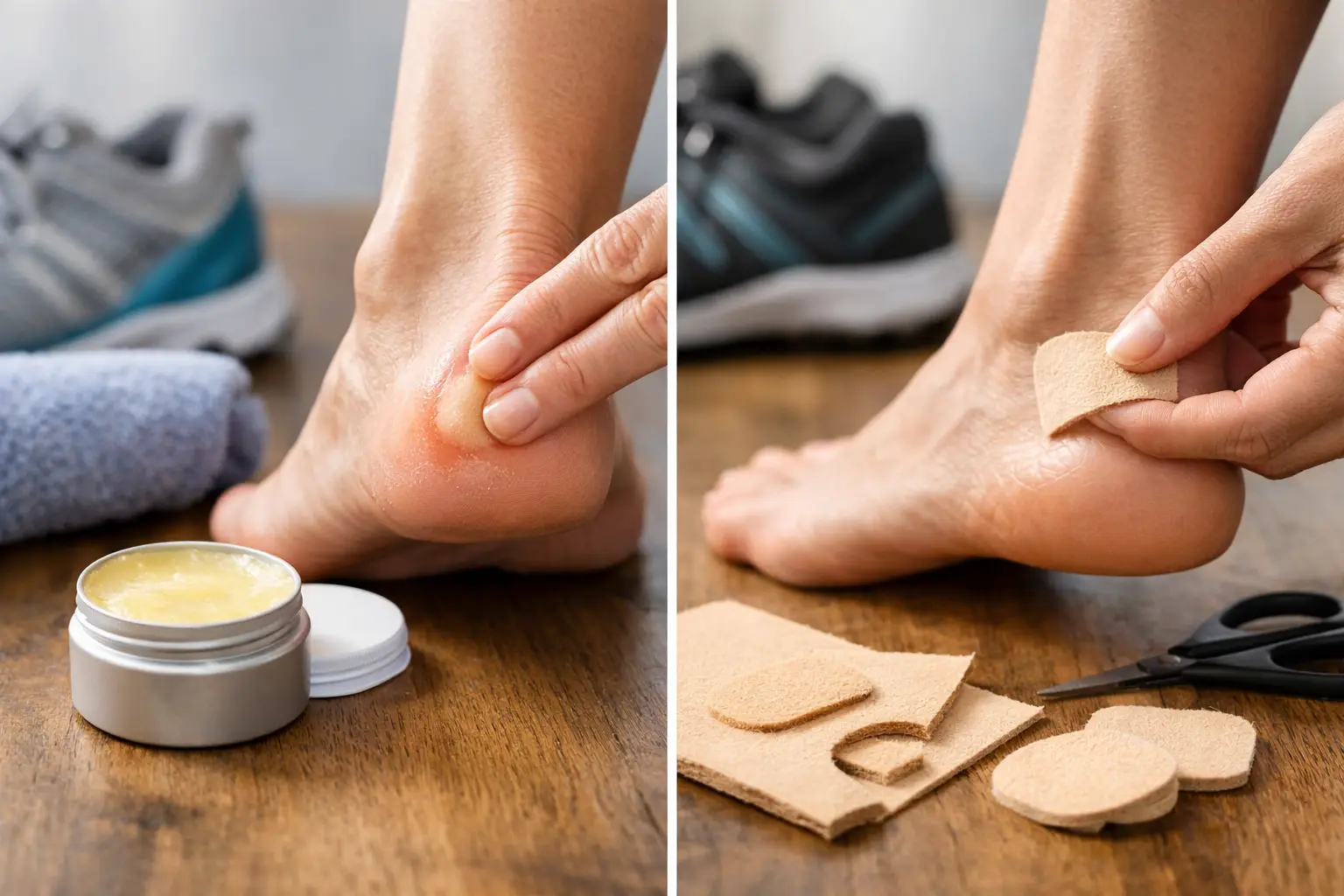
A small hot spot can change the whole plan. One minute you are settling into a long run, hike, city walk or ride; the next, every foot strike feels like a warning. In the blister balm vs moleskin question, the best answer depends on timing. Balm is designed to stop friction before it starts. Moleskin is usually most useful once a vulnerable area needs cushioning and protection.
Both can earn a place in an active person’s kit. But they do different jobs, and using the wrong one at the wrong moment can leave you with a sore, irritated foot when you would rather keep moving.
Blister balm vs moleskin: the key difference
Blisters form when repeated rubbing creates heat and separation in the upper layers of skin. Poorly fitting shoes are a common culprit, but so are damp socks, sand or grit in footwear, steep descents, long-distance mileage and feet that swell as the day goes on.
A blister balm creates a low-friction layer between your skin and the source of rubbing. Applied before activity, it helps skin and footwear, socks or equipment move past each other more smoothly. Think of it as invisible armour for high-risk zones such as heels, toes, arches and the sides of the foot.
Moleskin is a soft, fabric-backed padding with an adhesive side. It does not reduce rubbing in quite the same way as a balm. Instead, it adds a protective barrier and can redistribute pressure around an irritated spot or blister. It is a practical repair tool, particularly when you are already out on the trail, course or pavement.
The simple rule is this: use balm to prevent friction; use moleskin to cushion a problem that has already appeared. In some situations, you can use both, but preparation remains the easier option.
Choose balm before you lace up
Blister balm is the stronger choice when your skin is intact and you know where rubbing tends to happen. That might be the back of the heel on a half-marathon, the ball of the foot during a long walk, or a toe that catches against the front of your shoe on descents.
Apply it directly to clean, dry skin before putting on socks. Cover the full area that experiences friction rather than applying a tiny amount only to the point that hurt last time. A thin, even layer is usually enough. If you are heading out for several hours, carry the stick so you can reapply when needed, especially after getting wet or changing socks.
This approach is useful well beyond running. Hikers can use it before a multi-day trek. Cyclists may apply it where shoes rub. Travellers can keep it handy for long days on their feet. It also makes sense for gym sessions, warm-weather walks and any routine where new footwear is being broken in.
A stick balm is particularly easy to build into a routine because there is no cutting, folding or trying to attach material to a curved, moving part of the foot. Runglide RG Anti Chafe Balm is made for that straightforward pre-activity step: apply, move, and focus on the miles ahead rather than the friction building beneath your socks.
Where balm has limits
Balm is not a magic fix for footwear that is fundamentally wrong for your foot. If your toes are crammed, your heel is lifting, or a seam constantly presses into the same place, friction protection can help but it cannot fully compensate for a poor fit.
It can also make adhesive dressings less likely to stick if applied underneath them. If you need to use moleskin or a blister plaster on the same area, clean and dry the skin first. Save the balm for the surrounding friction zones or for your next outing once the area has recovered.
Choose moleskin when a hot spot appears
A hot spot is the early stage of a blister: a patch of skin that feels warm, tender or increasingly rubbed, even if there is no fluid-filled bubble yet. This is the moment to stop, inspect your foot and act. Carrying on in the hope that it will settle is often how a minor irritation becomes a blister that disrupts the rest of your week.
Moleskin can protect the area from further pressure. For a hot spot, cut a piece large enough to extend beyond the sore patch, round the corners to reduce lifting, and apply it to clean, dry skin. Smooth it firmly into place before replacing your sock.
For an intact blister, avoid putting a flat piece of moleskin directly over the blister if it creates extra pressure. A better technique is to cut a doughnut shape: make a hole slightly larger than the blister in the middle, then place the moleskin around it. This takes pressure off the tender area while the surrounding padding absorbs friction.
If the blister has burst, keep the area clean and protect it with an appropriate sterile dressing first. Moleskin can then be used around the dressing for additional cushioning, provided it does not pull at damaged skin.
Why moleskin is not always the answer
Moleskin can shift, wrinkle or peel if your feet sweat heavily, your shoes are wet, or the skin has not been dried properly. Its edges can also become another point of friction if the piece is too small or poorly cut. It takes a little practice, and it is less convenient when you notice discomfort halfway through a race or while standing in a busy train station.
It is also reactive. Once you need moleskin, the friction has already started. That does not make it a bad option – it makes it a valuable backup.
Can you use blister balm and moleskin together?
Yes, but use them in separate roles. Apply balm before activity to areas with healthy, unbroken skin that commonly rub. Keep moleskin in your pack for a hot spot or an established blister that needs padding.
If one small area becomes sore during an event, wipe away any balm there, dry the skin thoroughly and apply your moleskin protection. Do not place adhesive directly onto a slippery balm layer and expect it to stay put.
For a long hiking day, this could mean balm on your heels, little toes and forefoot at the start, then moleskin only if one location begins to feel tender. That combination is more efficient than covering every inch of your feet in padding before you have a problem.
The bigger blister-prevention routine
The balm-versus-moleskin decision matters, but blister prevention starts with the system around it. Shoes should have enough room for your toes to spread and for your feet to swell during longer efforts. Your heel should feel secure without aggressive rubbing. Test new shoes on shorter sessions before committing to a full-day hike or a big race.
Socks matter just as much. Choose technical socks that fit closely, manage moisture and do not bunch under the arch or heel. For long distances, take a spare pair. Changing damp socks can make a remarkable difference, particularly after rain, stream crossings or a hard, sweaty climb.
Pay attention to early signals. A shoe that feels fine for the first three kilometres can reveal a problem later, so use training to identify patterns. Note where rubbing occurs, which socks you wore and whether the route involved heat, hills or wet conditions. That information makes your next preparation more precise.
If you repeatedly blister in the same place despite good footwear, consider getting a specialist fitting or speaking to a podiatrist. Persistent skin breakdown is not something you need to accept as the price of being active.
Protect your skin, then keep going
Use balm when you want friction to stay out of the story. Reach for moleskin when a hot spot needs quick cushioning before it turns into a bigger interruption. Neither replaces well-fitting shoes and dry, dependable socks, but together they give you a sensible plan for the unexpected.
Pack the repair option, apply the prevention option, and give your feet the same attention you give your training. Comfortable movement leaves more room for the view, the finish line and whatever challenge comes next.