

Blog
Blister Prevention That Keeps You Moving

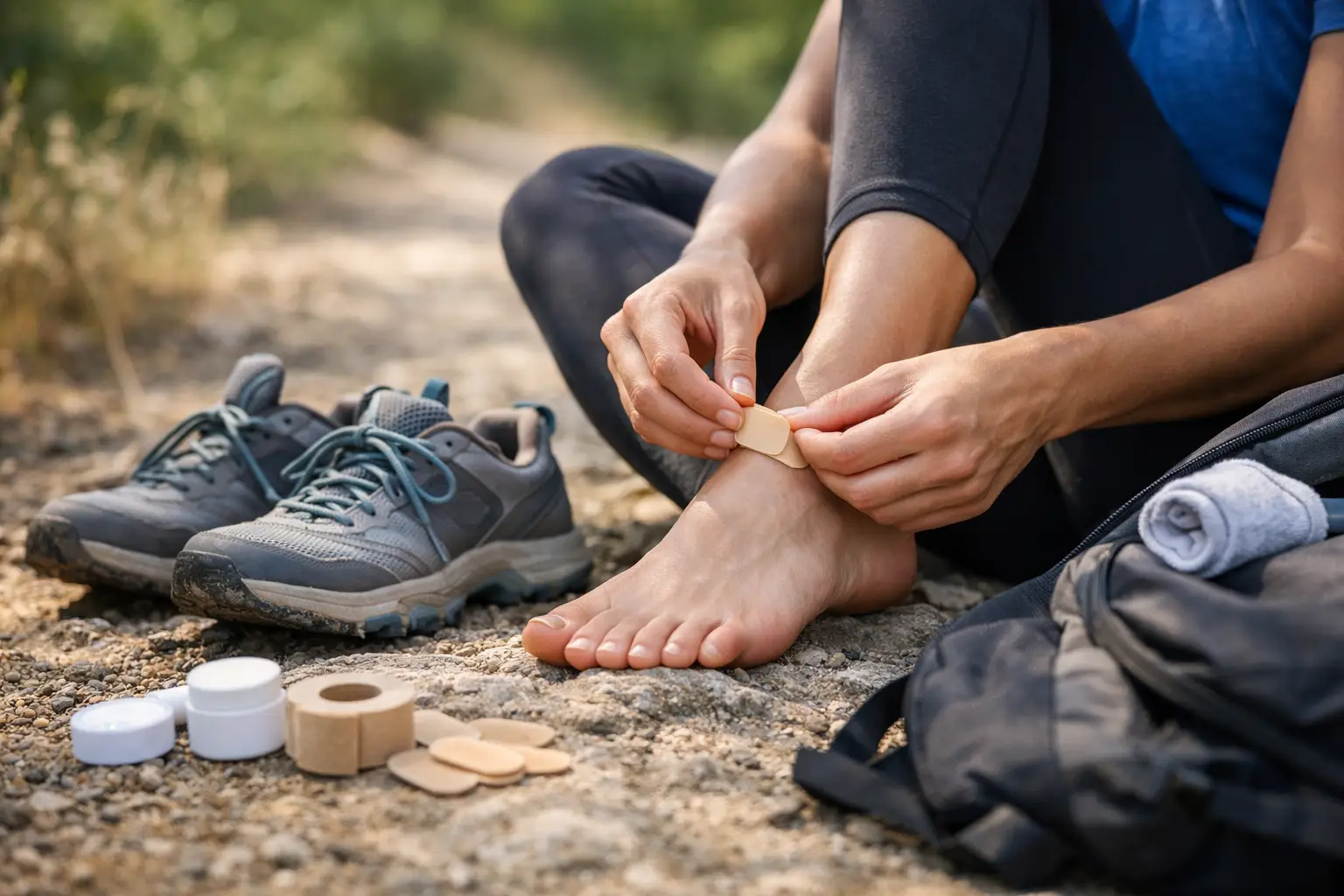
A blister can turn a promising long run, mountain walk or city-break stroll into a painful exercise in limping home. Effective blister prevention is not about being precious with your feet. It is about removing a small, avoidable barrier so you can train, travel and move with confidence.
Blisters usually start quietly. A warm patch on the heel, rubbing at the little toe, or a sock that suddenly feels bunched up can become a hot spot long before you see any broken skin. Act early and you may save the rest of your session.
Why blisters happen in the first place
A blister forms when repeated rubbing separates layers of skin and fluid fills the gap. Friction is the trigger, but heat, moisture, pressure and movement make the problem worse. That is why the same pair of shoes can feel perfect on a short walk yet cause trouble during a humid half marathon or a full day on the trail.
The usual pressure points are heels, toes, the ball of the foot and the sides of the foot. However, blisters are not limited to footwear. Backpack straps, cycling shoes, swimwear, gloves and sports bras can all create the same friction pattern when fit, fabric or conditions are not right.
There is no single fix for every person. Your foot shape, gait, shoe choice, activity duration and how much you sweat all matter. The goal is straightforward: reduce rubbing, manage moisture and deal with hot spots before they become blisters.
Blister prevention starts before you leave home
The most reliable preparation happens before the first step. Start with footwear that suits the activity rather than forcing one pair of trainers to do everything. Road-running shoes, hiking boots and everyday trainers can all fit well, but they place pressure in different areas and work with different socks.
Make sure there is enough room in the toe box for your toes to spread and for feet to swell slightly over longer distances. A shoe that feels comfortably snug while sitting down may feel restrictive after an hour of running or walking downhill. On the other hand, excessive space allows the foot to slide, creating the heel movement that often causes rubbing.
New footwear deserves a gradual introduction. Wear it around the house, on a short walk, then on a short training session before trusting it for a race, trek or holiday. This is especially useful with hiking boots and cycling shoes, where small fit issues become obvious only under sustained pressure.
Socks deserve the same attention as shoes. Choose a pair that stays in place, fits without folds and moves moisture away from the skin. Thick socks are not automatically safer, and thin socks are not automatically cooler. The right thickness depends on the space inside your shoe and the conditions. If your toes are cramped in thicker socks, they may increase pressure rather than protect you.
Check your feet before setting off. Trim nails straight across, remove any grit from shoes and look for dry, cracked skin or existing sore areas. A small rough edge can catch repeatedly during a long session. If one spot has rubbed before, treat it as a known risk rather than hoping it will behave differently this time.
Use friction protection where it counts
A protective anti-chafe balm creates a low-friction layer between skin, socks, shoes or equipment. Apply it directly to the places that normally rub: heels, toes, the side of the big toe, the ball of the foot or anywhere a strap repeatedly catches. The best time is before activity, not when discomfort has already started.
For runners, this may mean the back of the heel and between toes. Hikers often need extra coverage around heels and toe joints, particularly for descents. Cyclists may find that the contact areas around shoes and clothing benefit from the same friction-first approach. Everyday walkers can use it before commuting, sightseeing or spending hours on their feet at an event.
A portable stick is useful because conditions change. Rain, heat, river crossings and longer-than-planned days can all affect how skin and footwear behave. Runglide RG Anti Chafe Balm is designed as a practical, petroleum-free, oil-free and cruelty-free barrier for the moments when you want your skin to feel protected, not weighed down.
Barrier products are not a substitute for badly fitting shoes. Think of them as invisible armour that supports a sound setup, rather than a way to push through equipment that is clearly wrong for you.
Manage moisture without overthinking it
Sweat and water soften skin, making it more vulnerable to shear. That does not mean you need perfectly dry feet at all times. It means noticing when wet socks, trapped heat or damp footwear are changing the fit and feel of your kit.
On long runs, hikes or travel days, pack a spare pair of socks if you know your feet get wet or sweaty. Changing them can reset comfort far more effectively than simply carrying on. If you are crossing wet ground, expect that your blister strategy may need to be more proactive afterwards.
Breathable shoes and socks can help in warm weather, while waterproof footwear can be the right call in cold, wet conditions. There is a trade-off: waterproof boots may hold warmth during a dry, hot walk, and highly breathable trainers offer less protection in heavy rain. Match your footwear to the day you actually have, not the one you hoped for.
Learn to respond to a hot spot
A hot spot is your early warning system. It may feel like heat, tenderness, tingling or a very localised rub. Stop when it is practical and investigate. Ignoring it for another five kilometres rarely makes the situation better.
First, check for a folded sock, loose lace, grit or a seam sitting in the wrong place. Then dry the area if needed and add friction protection or a suitable dressing. Re-lace your shoe if your heel is lifting or your forefoot is under too much pressure. A small adjustment at the right time can protect the rest of the day.
Do not rely on pain tolerance as a performance strategy. Endurance is valuable, but continuing through a developing blister can alter your stride, affect your knees or hips, and leave you unable to train comfortably for days afterwards.
Lacing can change pressure points
Lacing is one of the simplest adjustments available. If your heel slips, a heel-lock lacing method can help keep the rear of the foot stable. If the top of your foot feels compressed, skipping an eyelet over the sore point may relieve pressure. Experiment on ordinary training days rather than making a major change immediately before an event.
Your feet can also change over time. New insoles, increased mileage, weight changes, pregnancy, warmer weather or a different running surface may all alter how a familiar shoe fits. Reassess rather than assuming your old setup still works perfectly.
Adapt your approach to the activity
For running, the risk often comes from repetitive impact and sweat. Prioritise stable socks, a secure heel fit and protection on your personal pressure points. For hiking, descents are the main test because toes press forwards and heels can slide. Leave enough room at the front of the boot and consider how your socks perform after several hours, not just at the trailhead.
For gym sessions, blisters can appear on feet from treadmill work or on hands from bars and kettlebells. Good grip and sensible technique matter, but so does gradually building volume. A sudden jump in pull-ups, rowing or lifting can irritate skin that has not had time to adapt.
For holidays and everyday walking, new sandals and smart shoes are frequent offenders. Break them in before a full day out, and do not underestimate the distance covered while exploring a new city. Comfort is part of the plan, whether you are chasing a personal best or simply enjoying the day.
When a blister needs more than prevention
If a blister has already formed, protect it from further friction and keep the area clean. Avoid deliberately popping it where possible, as the intact skin can help shield the tender area underneath. If it is large, very painful, looks infected, or you have diabetes, poor circulation or reduced sensation in your feet, seek advice from a qualified healthcare professional.
Redness spreading beyond the blister, increasing warmth, pus, severe pain or feeling unwell are signs not to ignore. A minor rub should not become the reason your next week of movement disappears.
The strongest blister prevention routine is the one you will actually repeat: footwear that fits, socks that stay put, early attention to hot spots and a friction barrier ready when you need it. Give your skin the support it deserves, then put your focus back where it belongs – on the miles, the view and what your body can do next.