

Blog
Sports Friction Balm Stick Review for Active Days

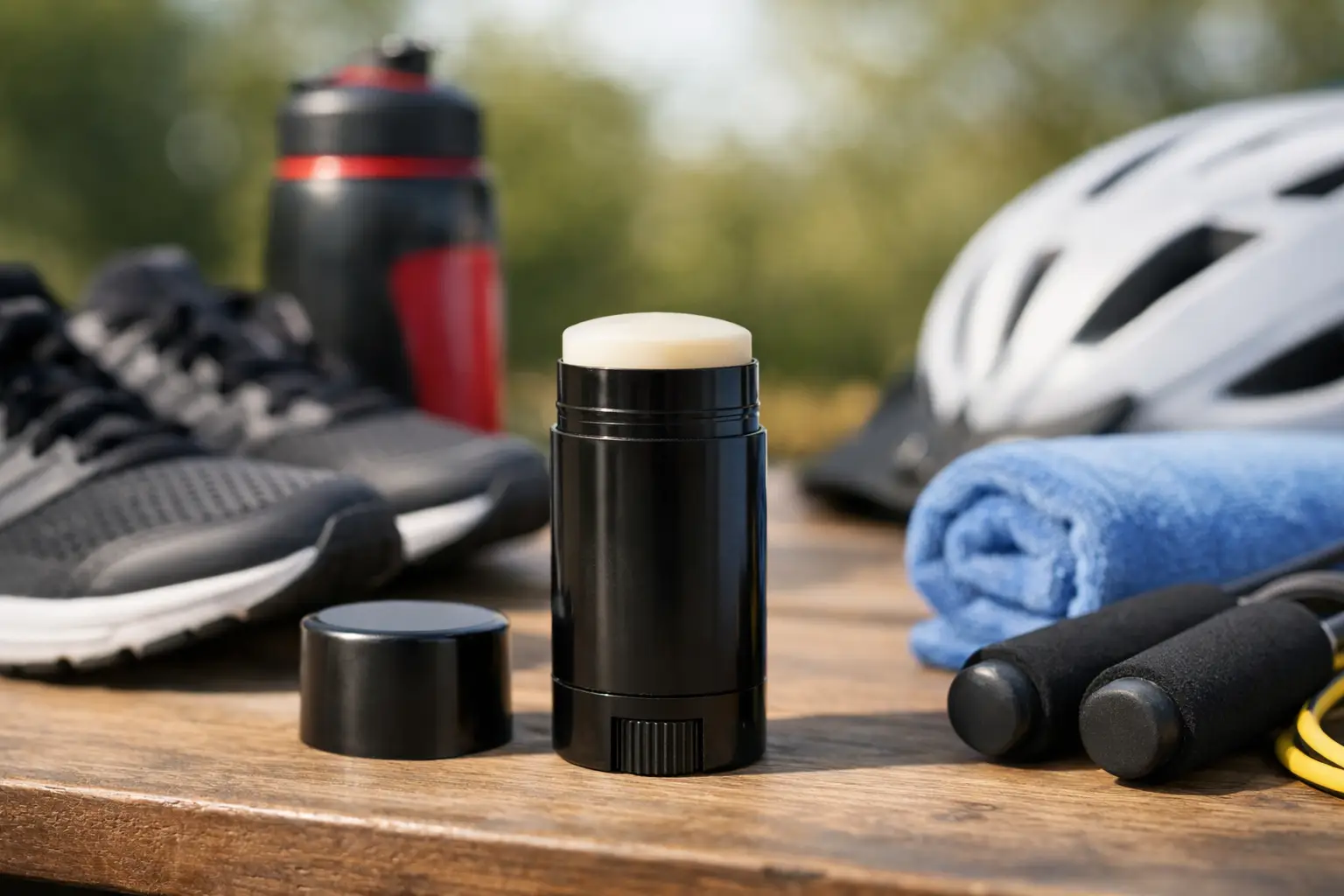
The first warning sign is rarely dramatic. It is the warm patch at kilometre five, the sock that starts rubbing on a descent, or the inner thigh irritation that makes a summer walk feel much longer than it should. A useful sports friction balm stick review should look beyond a quick first swipe. The real question is whether a balm helps you keep moving when heat, sweat, repetition and distance begin to test your skin.
For runners, hikers, cyclists and anyone who spends long periods on their feet, friction prevention is not a luxury extra. It is practical kit. A good stick creates a protective layer where skin, fabric, footwear or equipment repeatedly rub, helping to reduce the chance that a hot spot becomes a painful blister or that mild chafing cuts a session short.
What a Sports Friction Balm Stick Needs to Do
A friction balm is not trying to replace good socks, well-fitting shoes, sensible kit choices or gradual training. Those still matter. Its job is more focused: reduce drag at known trouble spots so your skin can cope better with repeated movement.
That sounds simple, but performance comes down to three things. First, the balm needs enough glide to reduce rubbing without feeling slippery or greasy. Secondly, it needs to stay in place through the activity you actually do, whether that is a humid gym session, a rainy trail run or a full day of walking. Finally, it must be easy to apply precisely, without creating mess on your hands, clothing or kit.
A stick format answers that last point particularly well. You can apply it directly to heels, toes, inner thighs, underarms, bra lines, waistbands or anywhere a strap and skin meet. It fits into a running belt, rucksack or gym bag and does not require you to wash product from your fingers before touching your mobile phone, handlebars or water bottle.
Sports Friction Balm Stick Review: The Details That Count
When choosing a balm, resist judging it solely by how it feels in the first minute. Most products glide nicely at the start. The more meaningful measure is how they behave after a few miles, a change in temperature or a build-up of sweat.
Texture: enough glide, not a greasy coating
The best balms feel smooth on application and leave a light, protective finish. If a product is overly oily, it can feel uncomfortable in warm conditions, transfer to clothing or make you reluctant to use it around sports kit. If it is too dry or waxy, you may press harder during application and still fail to cover the area evenly.
There is some personal preference here. Cyclists using padded shorts may want a slightly more substantial barrier in high-friction zones, while a runner treating underarms may prefer a lighter feel. What matters is controlled glide. The balm should support movement, not make you aware of a heavy layer every step of the way.
Staying power: match it to your activity
No friction balm can promise identical wear for every body and every sport. Sweat levels, water exposure, clothing fit, terrain and distance all change the equation. A twenty-minute walk places very different demands on a product than a marathon, a mountain hike or a day at the beach.
For shorter sessions, one careful application may be all you need. For endurance events, travelling days or hot-weather activity, carrying the stick for a top-up is sensible. Reapplication is not a failure of the product. It is part of managing conditions when your skin is dealing with hours of motion.
Look for a formula that stays comfortable rather than tacky as the day goes on. A protective balm should not bunch, leave an unpleasant residue or distract you from your pace. If you can forget it is there, while the usual rubbing does not appear, it is doing its job.
Ingredients and skin feel
If you are applying a balm regularly, ingredient choices deserve attention. People with easily irritated skin may favour a formula made without petroleum and heavy oils, particularly if they dislike the coated sensation some traditional products leave behind. Cruelty-free options can also matter to buyers who want their performance kit to align with their everyday values.
Even a well-made balm will not suit every person. Test a small area before using any new product over long distances, especially if you have sensitive skin or a history of reactions. Avoid applying balm to broken or already infected skin, and seek professional advice if irritation persists. Prevention works best before friction has caused damage.
Precision and portability
A stick should feel like a useful piece of kit, not another item that leaks at the bottom of your bag. The twist-up design makes it straightforward to target the exact areas that need protection. That matters when you are getting ready in a changing room, beside the car before a hike, or at home while the kettle boils before an early run.
Portability also encourages consistency. Keep one where your routine begins: with your trainers, near your cycling shoes, in your walking pack or in your travel wash bag. Chafing is far easier to prevent than to manage once it has started, so having the balm within reach is a genuine advantage.
Where Friction Balm Makes the Biggest Difference
The obvious areas are inner thighs, heels and toes, but friction appears in more places than most people expect. Runners often use balm under the arms, around sports bra lines and beneath waistbands. Hikers may apply it where backpack straps or walking trousers rub. Cyclists can need protection where clothing seams and saddle contact create repeated pressure.
It also earns its place outside training. Long city walks, warm-weather holidays, commuting, travel days and standing for hours at events can all create the same problem: repeated rubbing that becomes painful when ignored. A sports balm stick is useful because it moves easily between performance and everyday comfort.
The key is to apply before you feel discomfort. Put a thin, even layer on clean, dry skin at your known friction points. Do not wait for the first sting. By then, the skin may already be irritated, and any product will have a harder job.
How Runglide Fits Into a Practical Kit
Runglide RG Anti Chafe Balm is built around this straightforward purpose: creating an easy-to-carry barrier against friction for movement-heavy days. Available in stick formats, including unisex and women-specific options, it is designed for people who want targeted protection without petroleum or oils.
That focus is useful. You do not need a complicated routine before a run, hike or gym session. You need a reliable stick you can apply quickly to the places that usually let you down. For an Irish brand based in Newry, that practical approach suits unpredictable conditions too: cool starts, rain, warmer spells and long days outdoors can all change how clothing and skin behave.
Still, balm works best as one part of the plan. If your shoes are the wrong size, your socks hold moisture, or a seam is cutting into your skin, deal with the underlying cause as well. A friction barrier can reduce rubbing, but it cannot correct poorly fitted equipment.
A Better Way to Judge Your First Use
Try a new balm during a normal training session before trusting it on race day or a major trek. Apply it to the areas that usually become uncomfortable and notice how it feels at the end, not just at the start. Check whether your kit has stayed clean, whether the balm has remained comfortable, and whether those familiar hot spots stayed quiet.
This is where honest expectations help. Some people will need more product than others. Some will need to reapply during longer outings. And some friction points are a signal to change footwear or clothing rather than simply add more balm. The right product gives you a dependable layer of invisible armour, while leaving you free to focus on the route, the effort and the enjoyment of moving.
Keep a balm stick close to the kit you reach for most. When friction does not get a chance to build, you can put your energy where it belongs: one more mile, one more hill, or simply a more comfortable day on your feet.