

Blog
Women Anti Chafe Stick Review: What Matters

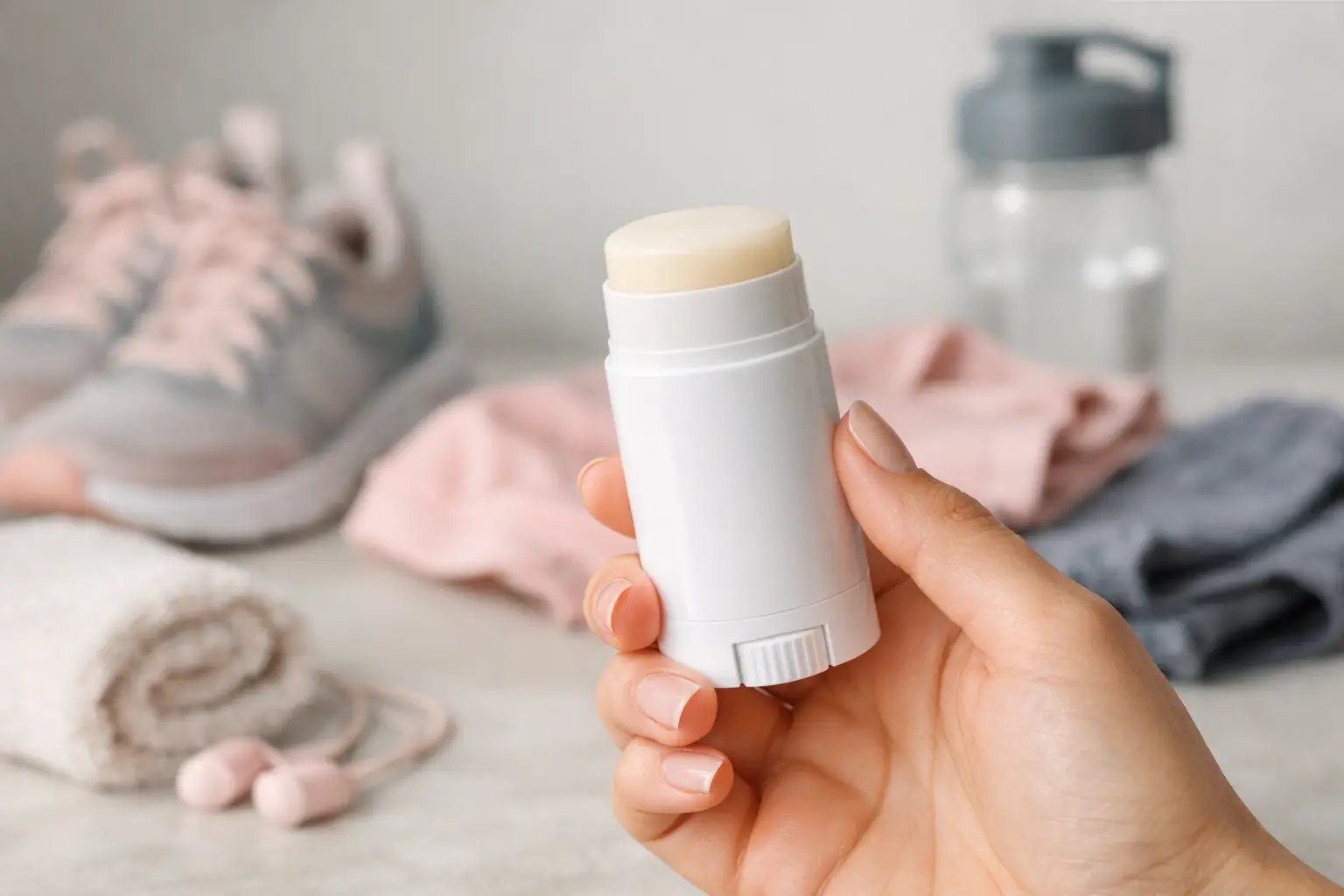
The difference between a strong run and a miserable one can be no bigger than a patch of irritated skin. This women’s anti-chafe stick review looks past the promise of a convenient tube and focuses on what really earns a place in your kit bag: dependable friction protection, comfortable wear and a formula that works with your routine.
Chafing is not a sign that you are doing something wrong. It happens when skin, fabric or footwear repeatedly rubs during movement, especially in heat, humidity or longer sessions. A good anti-chafe stick is practical invisible armour. It helps you focus on the hill, the next kilometre or simply getting through a busy day in shorts without the sting.
What a women’s anti-chafe stick should do
At its simplest, an anti-chafe stick creates a low-friction layer between skin and the source of rubbing. You apply it directly where you need it, then get moving. The best ones feel unnoticeable once they are on. They should not leave you sticky, stain your clothes or demand a complicated pre-workout ritual.
For many women, the priority is inner-thigh comfort. But a useful stick needs to perform beyond that one area. Think bra lines, underarms, waistband edges, the crease where leggings move, heels, toes and anywhere a backpack or sports bra creates repeat friction. One compact product that handles several friction points is far more likely to become part of your regular routine.
The real test is not whether a balm feels smooth for five minutes at home. It is whether it stays helpful through a long walk, a warm gym session, a ride with repetitive movement or a race day where sweat and clothing seams put it under pressure.
The details that separate a good stick from a great one
A stick format is popular for a reason. It is clean, quick and easy to carry. There is no need to squeeze product onto your hands before touching your phone, handlebars or water bottle. A few passes over clean, dry skin should be enough for most areas, which makes application feel simple rather than fussy.
Texture matters just as much as portability. Some products feel waxy, overly greasy or thick enough to collect fluff from clothing. Others disappear too quickly, particularly in hot conditions. The sweet spot is a balm that glides without dragging the skin, leaves a protective finish and does not make you feel coated.
Ingredients deserve attention too, especially if you use anti-chafe protection frequently. Look for a formula that suits your preferences and your skin. Some people prioritise a petroleum-free balm, while others want no oils or cruelty-free credentials. Those details do not automatically guarantee that a product will suit every person, but they can make the decision easier when you are narrowing down your options.
Fragrance is another personal trade-off. A lightly scented product may feel fresh, while fragrance-free or low-scent options can be more comfortable for people who prefer a minimal routine. If your skin is reactive, test any new product on a small area before relying on it for a long event.
Durability depends on your day
No anti-chafe stick has exactly the same job for every wearer. A 30-minute treadmill workout, a humid half marathon and a full day sightseeing on holiday create very different conditions. Sweat, rain, body heat, fabric type and the amount of rubbing all affect how long a protective layer lasts.
That is why a fair review should avoid promising one universal wear time. For shorter everyday activity, one application may be enough. For endurance events, very warm weather or areas that receive constant rubbing, packing the stick for a top-up is sensible. Reapplying is not a failure of the product. It is simply good preparation when conditions are demanding.
Where to apply anti-chafe balm
Apply before the irritation starts, not after the skin is already sore. Anti-chafe balm is designed to reduce friction, so prevention is its strongest role. Start with clean, dry skin and use gentle, even strokes rather than pressing hard.
For runners and walkers, inner thighs are often the first stop. If your sports bra has a seam that rubs after several miles, apply balm along the likely contact line before getting dressed. Cyclists may use it where shorts and saddle movement create friction, while hikers can protect heels, toes and the edges of footwear that tend to cause hot spots.
Do not overlook daily life. Summer dresses, denim shorts, work commutes on foot and travelling can all involve more movement than you expect. The best kind of protection is the kind you remember to use because it takes seconds and makes the rest of the day easier.
A quick pre-activity check
Before a long session, consider four things:
- Where did you feel rubbing last time?
- What fabric or footwear will be against your skin today?
- Will heat, rain or sweat make friction more likely?
- Do you need to pack the stick for a later reapplication?
This takes less time than dealing with irritated skin afterwards. It also helps you use the product precisely, rather than applying too much everywhere.
Women-specific versus unisex anti-chafe sticks
A women-specific anti-chafe stick can be appealing because it acknowledges common friction zones and preferences around feel, scent and ingredients. That said, the label alone is not the deciding factor. Skin does not care about marketing categories as much as it cares about whether the formula glides well, feels comfortable and holds up during your chosen activity.
Choose based on the experience you want. If you like a women-specific option because its formula and presentation fit your routine, that is a perfectly good reason. If a unisex balm works brilliantly on your skin and stays put through your longest runs, it is equally valid. Performance is personal.
Runglide’s RG Anti-Chafe Balm is made for this straightforward purpose: helping reduce friction without petroleum or oils, in a portable stick designed for training and everyday movement. The value of a specialist product is clarity. It is built to solve the rubbing and blister-risk problem, rather than trying to be every kind of skincare product at once.
What an honest anti-chafe stick review should mention
The strongest anti-chafe products are not magic. They cannot fix poorly fitting shoes, a sports bra with a rough seam or shorts that bunch up with every stride. If a particular garment causes the same irritation repeatedly, it may be time to adjust the fit, change the fabric or retire it from longer outings.
Equally, balm is not a substitute for caring for damaged skin. Avoid applying it to broken or severely irritated areas, and seek advice from a healthcare professional if irritation is persistent, painful or shows signs of infection. Prevention works best when skin has a chance to recover.
There is also a practical question of price versus use. A stick that costs a little more but glides efficiently and lasts through regular training may offer better value than a cheaper product you need to apply heavily. Consider how often you move, how many areas you protect and whether you want one stick for sport, commuting and warm-weather comfort.
The verdict: choose protection you will actually use
A worthwhile anti-chafe stick should be easy to apply, comfortable to wear and reliable enough that you stop thinking about the areas that normally rub. It should fit beside your trainers, in your handbag or in the pocket of your running vest without becoming another piece of kit to manage.
You do not need to wait for the first hot day, a race or a painful reminder to make friction prevention part of your routine. Apply it before the movement starts, carry it when the day could run long and give your body one less reason to hold back.