

Blog
Non Greasy Anti Chafe Review That Gets Results

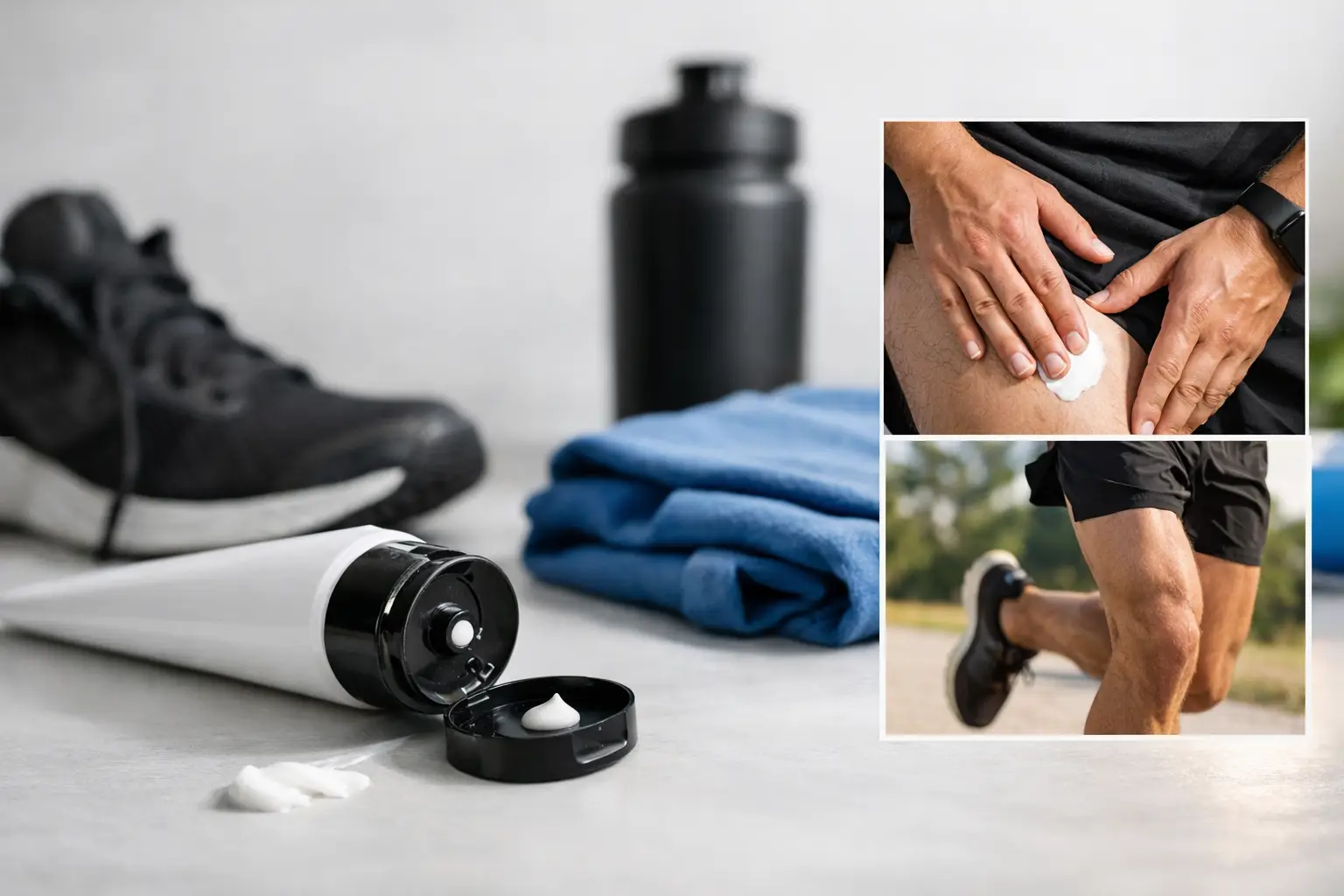
The worst anti-chafe product is not always the one that fails halfway through a run. Sometimes it is the one that technically protects your skin but leaves your thighs, feet or kit feeling slick, sticky and uncomfortable. This non greasy anti chafe review looks at what a genuinely comfortable friction barrier should do, who benefits most, and where the trade-offs sit.
For runners, cyclists, hikers and anyone who has cut a walk short because of rubbing, the goal is simple: protect the skin without feeling as though you have coated yourself in a heavy layer of grease. A good balm should become part of your routine, not another distraction to manage once you are moving.
What “non-greasy” should mean in anti-chafe care
Non-greasy does not mean dry in the sense of powdery, tight or ineffective. Friction prevention needs some slip. The product has to create a protective layer between skin and skin, skin and fabric, or skin and footwear. Without that glide, rubbing can still build into heat, redness, irritation and blisters.
The difference is in the finish. A non-greasy balm should apply smoothly, settle quickly and leave the area feeling protected rather than oily. Your hands should not remain coated after application, and your clothes should not feel damp or slippery against your body.
That matters beyond comfort. Greasy formulas can make it awkward to handle a water bottle, adjust a sports bra, grip handlebars or get dressed after applying. They may also feel unpleasant in warm weather, when sweat and humidity already make skin more vulnerable to friction. A lighter, clean-feeling barrier gives you the confidence to apply it where you actually need it – inner thighs, underarms, bra lines, heels, toes or anywhere repetitive motion causes trouble.
Non greasy anti chafe review: the tests that count
A useful review should not stop at whether a balm feels nice straight from the stick. Chafing is a moving, sweaty, pressure-filled problem. The real question is how the product performs after several miles, a long ride, a gym session or a full day of walking around a new city.
Application and immediate feel
A stick format is usually the most practical option because it puts the product exactly where it is needed. There is no mess on your palms and no guessing how much to use. The best balms glide over dry skin without dragging, then leave a nearly invisible layer behind.
If a formula feels waxy at first, give it a minute. Some balms need a brief settling period before the finish feels natural. But if it continues to feel tacky, transfers easily to clothing or makes you reluctant to wear shorts, it is unlikely to become a favourite for regular use.
Staying power under movement
This is where many products separate themselves. A non-greasy finish is valuable only if it remains protective. For a short dog walk or a quick gym workout, almost any decent balm may do the job. Longer efforts expose the real test: sweat, rain, repeated stride patterns, saddle contact and fabric movement.
Look for protection that holds through the conditions you train in most often. Runners may need durable coverage at the thighs, underarms and along bra or vest seams. Cyclists should pay close attention to areas affected by saddle pressure and shorts. Hikers need a balm that can protect heels and toes inside footwear for hours, not merely feel comfortable at the start.
Reapplication is not necessarily a failure. On particularly hot days, during ultras or on multi-day hikes, topping up can be sensible. The best approach is to carry a compact stick and reapply before a familiar hot spot turns into a problem.
How it behaves with clothing and equipment
The ideal anti-chafe balm works quietly. It should not stain, leave obvious residue or make technical fabrics feel heavy. It should also stay out of the way of the equipment you rely on, whether that is your running belt, cycling shorts or hiking socks.
There is an individual element here. A balm that is perfect under loose running shorts may feel different beneath compression leggings. Likewise, a product that protects a heel brilliantly can feel too noticeable between the toes for some people. Test it on a shorter session before making it part of race day or a big adventure.
Why ingredient choices affect the finish
Petroleum-heavy products have long been a familiar option for friction prevention. They can create a thick barrier, but that does not automatically make them the best choice for every person or activity. Some users dislike the oily feel, the transfer to fabrics or the sensation of heat being trapped against the skin.
Oil-free, petroleum-free formulas can offer a cleaner experience when they are designed properly. The focus should be on ingredients that provide glide and help reduce friction without leaving an over-lubricated finish. For active people, this balance is the whole point: enough protection to stay comfortable, but not so much residue that you notice it with every stride.
If natural and cruelty-free product choices matter to you, check the product details rather than assuming the label tells the complete story. “Natural” alone does not guarantee that a balm will suit sensitive skin, stay put through sweat or feel non-greasy. A patch test is sensible if you know your skin reacts easily, especially before using a new product over a large area.
Who benefits most from a lighter-feeling balm?
A non-greasy anti-chafe balm makes particular sense for people who avoid traditional ointments because they dislike the texture. That includes commuters walking in warm weather, holidaymakers wearing skirts or sandals, gym-goers changing quickly after training and runners who want protection without residue on their kit.
It can also be a better everyday fit for people dealing with thigh chafing outside sport. Friction does not wait for a race. It can show up on a humid day, during a long shift on your feet or while travelling. A portable stick makes prevention easy to handle discreetly, before the irritation starts.
For serious endurance events, personal preference matters more than marketing language. Some athletes deliberately choose a thicker product for extreme wet conditions or very long distances. That is a valid choice. But for most daily training and ordinary movement, a balm that feels clean and stays reliable is easier to use consistently – and consistency is what keeps hot spots from becoming painful distractions.
Getting better results from your anti-chafe routine
Apply balm before you feel irritation. Once skin is already sore or broken, a friction barrier cannot undo the damage, and applying product may sting depending on the formula. Give the area time to recover, keep it clean and avoid further rubbing where possible.
Start with clean, dry skin, then use a few firm passes of the stick over the entire friction zone rather than one small point. Think about the path of movement. On the inner thighs, cover the area where your stride brings skin into contact. On the feet, protect both the hot spot and the area around it, particularly if your socks or shoes tend to shift.
Do not overlook fit. Even the best balm cannot fully compensate for shorts with rough seams, worn-out socks, damp footwear or a poorly fitted sports bra. If chafing occurs repeatedly in exactly the same place, inspect what is rubbing. A small adjustment to kit and a reliable barrier often work better together than either one alone.
Runglide RG Anti Chafe Balm is built for this practical balance: targeted friction defence in a portable stick, without petroleum or oils, so you can focus on the next mile rather than the irritation building beneath your kit.
The verdict: protection should not feel like a compromise
A strong non-greasy anti-chafe product earns its place when you stop thinking about it after application. It glides on cleanly, stays where you put it and gives skin the protection it needs through movement, sweat and everyday life.
Choose based on your real conditions, not just the label. If you train long, test staying power. If you run hot, prioritise a clean finish. If you are prone to blisters, apply early and pair the balm with well-fitting socks and shoes. The right friction barrier is a small pre-session habit that can keep your plans moving comfortably forward.