

Blog
Balm Stick vs Roll On for Better Chafing Protection

A long run can be going perfectly until the first hot spot changes everything. Suddenly, every stride rubs, your shorts feel wrong, and finishing comfortably becomes the only goal. In the balm stick vs roll on debate, the best choice is not about what looks neat in your kit bag. It is about how reliably you can protect the skin that moves most.
Both formats aim to reduce friction before it becomes chafing, irritation or a blister. Yet they apply differently, travel differently and suit different routines. If you want protection that keeps up with training, hiking, commuting and warm-weather days, those details matter.
Balm Stick vs Roll On: The Real Difference
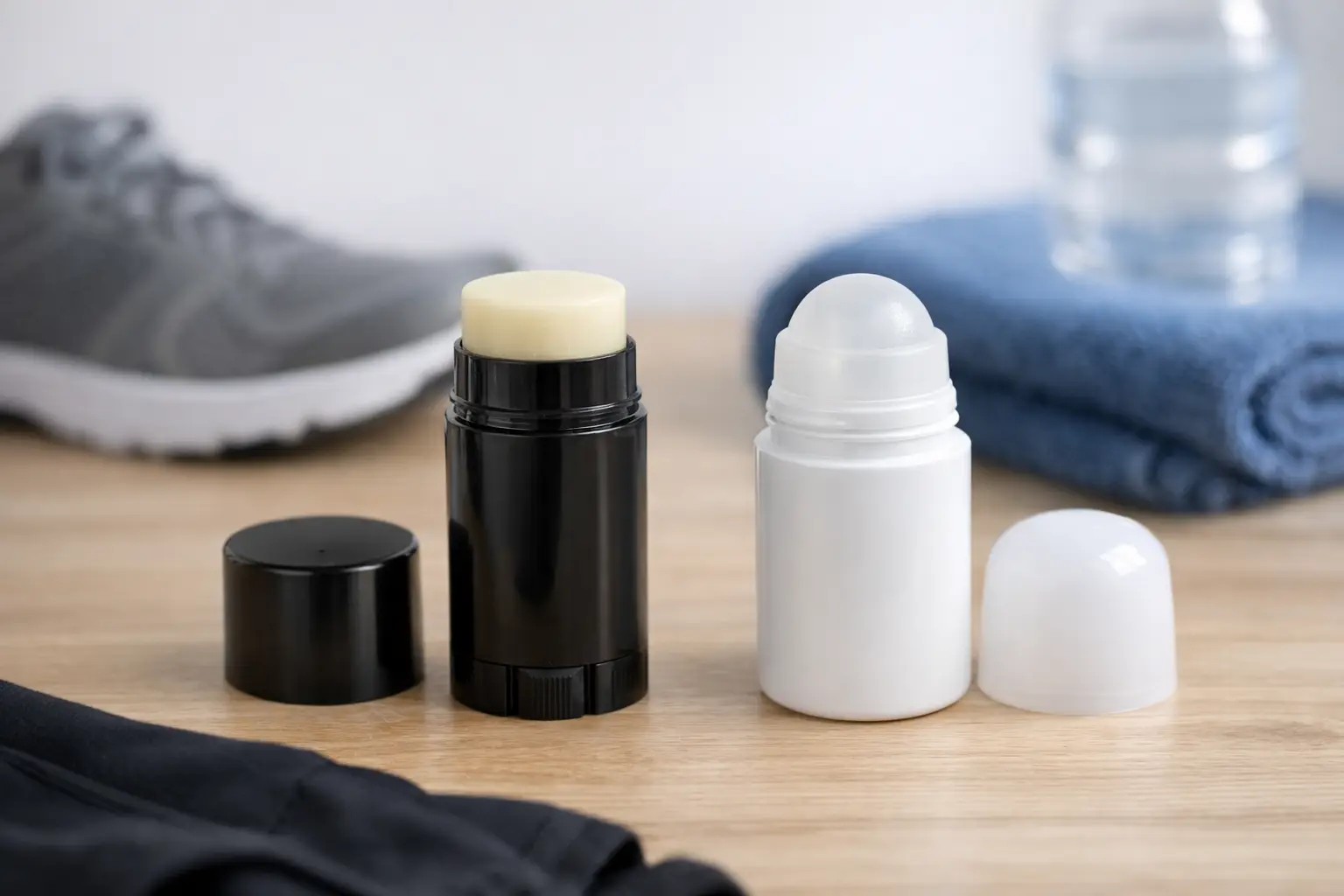
A balm stick applies a solid or semi-solid friction barrier directly on to skin. You twist it up, swipe it where rubbing happens and get on with your day. The application is dry, controlled and familiar – much like applying deodorant, but with a purpose built around reducing friction.
A roll on uses a roller ball to distribute a liquid or gel formula. It can feel light and easy to spread, especially across a broad area. Some people prefer that fluid feel on the inner thighs, underarms or around the bra line.
The format alone does not decide performance. Ingredients, the amount applied, sweat, heat, clothing and the duration of your activity all play a part. Still, each delivery method has strengths that can make a real difference when you are ten kilometres from home or halfway through a full day on your feet.
Why a Balm Stick Often Suits Active Use
For most runners, hikers and cyclists, a stick is the more practical starting point. It puts the product exactly where you need it, without dripping, pooling or requiring your hands to spread it around. That matters when you are applying protection in a changing room, at the trailhead or in the back seat before a long drive.
More control over high-friction zones
Chafing rarely happens everywhere. It tends to show up in predictable places: inner thighs, groin creases, underarms, nipples, bra bands, waistbands, toes and heels. A stick lets you build a deliberate layer over those small, high-rub areas.
That precision is especially useful for feet. When a sock, shoe and repetitive motion are working together, you want coverage on the exact point that tends to blister – perhaps the back of the heel, the side of the big toe or beneath a strap. A targeted swipe is easier to repeat than trying to guide a roller ball around small contours.
Less mess when the pace is already up
A good anti-chafe routine should remove friction, not add faff. Solid balm sticks are generally simple to use without product running on to your hands, clothes or kit. Put the cap back on and it is ready for your running belt, gym bag or hand luggage.
This is not just a convenience point. If applying a product feels messy, people skip it when they are rushed. The best prevention is the one you will use before every run, walk or ride – not the one that stays at home because it is awkward.
A protective layer that feels dependable
Many athletes like the confidence of feeling a barrier in place. A balm can create that protective glide between skin and skin, skin and fabric, or skin and footwear. It should help movement feel freer without leaving you distracted by tackiness.
Runglide Anti Chafe Balm is designed around that direct, portable approach, with a petroleum-free and oil-free formula made for the places friction tries to slow you down. The aim is straightforward: give your skin invisible armour, then let your body do the work.
Where a Roll On Can Make Sense
Roll ons are not automatically the weaker choice. They can be useful when you like a thinner application or need to cover a wider, relatively flat area quickly. A roller can also be appealing if you dislike the sensation of a waxier barrier.
For everyday use, such as a humid commute, a summer event or walking in a dress, a roll on may feel pleasantly light. Some users also enjoy the cooling sensation that certain liquid formulas provide when skin already feels warm.
The trade-off is that a liquid product needs enough time to settle. If you pull on tight leggings, cycling shorts or socks immediately, the formula may transfer before it has formed the protection you expected. Formula quality varies widely, so do not assume every roll on will dry quickly, remain in place through sweat or feel comfortable under close-fitting kit.
Coverage, Hygiene and Reapplication
There is no single winner for every body or activity. Think instead about the condition of your skin, the size of the area and how easy it will be to reapply.
For clean, dry skin, both formats can work well. A stick is often easier for precise pre-activity application, while a roll on can be handy for broad coverage. If you are protecting a small hot spot, the stick’s accuracy is hard to beat. If you are applying over a larger area, work in short sections rather than using a heavy layer all at once.
Hygiene deserves a practical mention. Neither product format should be shared, particularly if it has been used around feet or irritated skin. Keep the cap secure, store it away from excessive heat and avoid applying any friction product over broken, bleeding or infected skin. A barrier helps prevent rubbing; it is not a substitute for treating an existing wound.
Reapplication depends on your event and your formula. For a short gym session, one well-applied layer may be enough. For a long hike, an endurance ride or a hot day with heavy sweating, take your product with you. Reapply before discomfort starts, not after skin feels raw. Once chafing has begun, rubbing is already winning.
Choose by Activity, Not Just Preference
Your sport changes what “best” looks like. Runners often need reliable protection at the inner thighs, underarms, sports-bra edges and toes. Cyclists may focus on waistband contact points, seams and areas affected by repeated saddle movement. Hikers need a format that is compact and easy to use on feet during a stop, while gym-goers may want quick protection before a session or under everyday clothing.
A balm stick is usually the stronger all-rounder when you need control, portability and no-fuss application. It is particularly suited to repeated movement and small friction zones. A roll on can be a good fit when you prefer lighter coverage across a larger area and have time for the product to settle.
Do not underestimate fabric, either. Even the right anti-chafe product has to work alongside your kit. Wash away dried sweat and residue between sessions, check that seams are not worn, and test new shorts or shoes before race day. Friction prevention is a system: product, clothing, fit and preparation all count.
Make Prevention Part of the Routine
The smartest time to think about chafing is when your skin feels completely fine. Apply your chosen barrier before the first stride, before the long walk and before the weather turns sticky. Pay attention to repeat problem areas, because your body gives useful clues about where friction builds.
If a roll on has worked for your everyday routine, there is no reason to abandon it. But if you want focused coverage that travels easily and stays simple when effort levels rise, a balm stick earns its place in your kit. Comfort is not a luxury reserved for easy days. It is part of showing up ready to go further.