

Blog
Why Exercise Chafes and How You Can Stop It

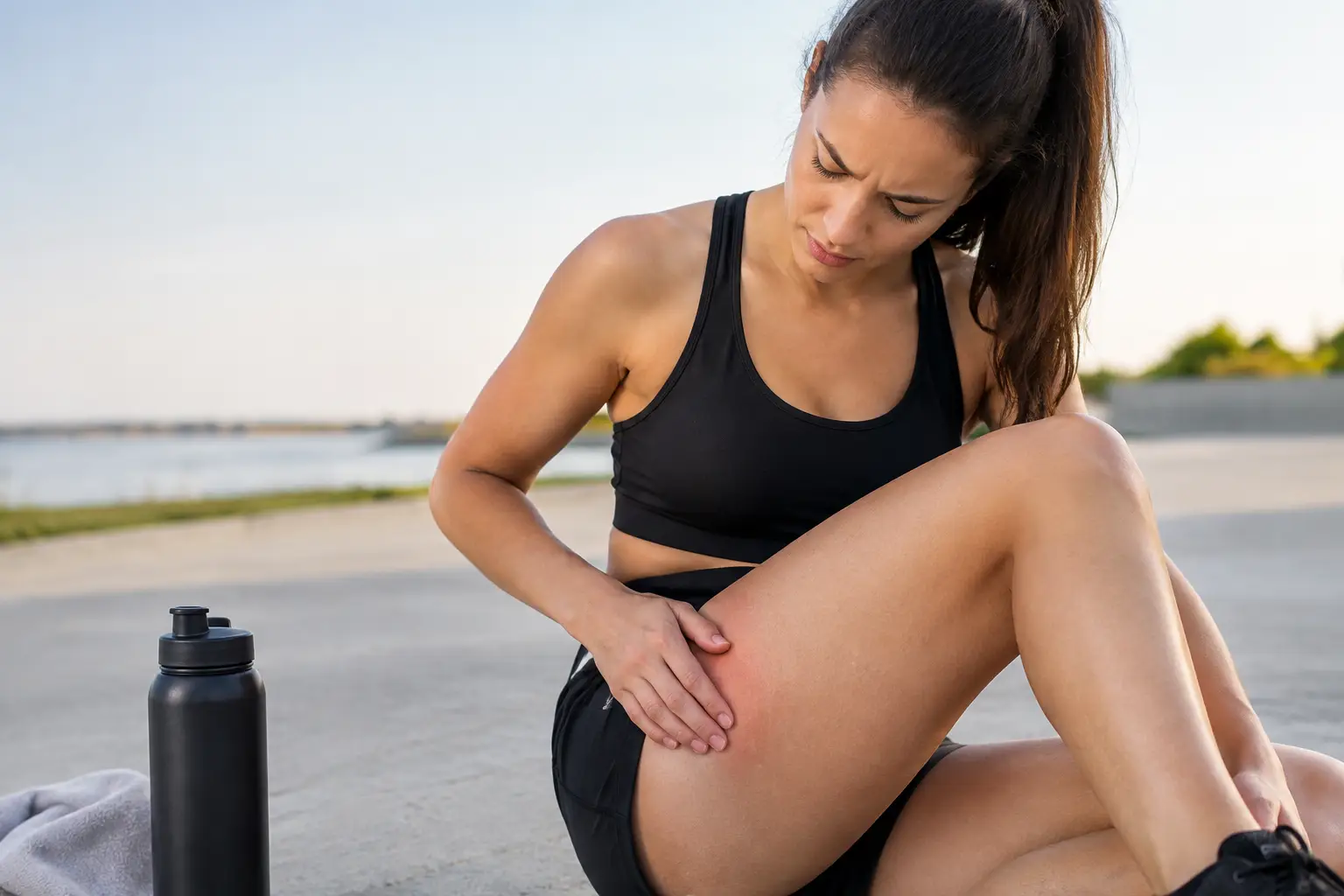
That sharp, stinging feeling that appears halfway through a run, hike or gym session is rarely a sign that you are doing something wrong. Why exercise chafes usually comes down to a simple equation: repeated movement, moisture, pressure and skin or fabric rubbing in the same place for too long. Left unchecked, that small hot spot can turn an enjoyable session into a painful walk home.
Chafing is common because movement is repetitive. Every stride, pedal stroke, arm swing and rep creates friction. Add sweat, warm weather, a new pair of shorts or a long day on your feet, and the skin can quickly become irritated. The good news is that it is highly preventable when you understand what is causing it.
Why does exercise chafe your skin?
Your outer skin barrier is built to protect you, but it has limits. Friction wears away at that barrier, especially where two surfaces repeatedly press and slide against each other. This might be skin against skin, clothing against skin, a bra seam against the chest, a sock against the heel or a backpack strap across the shoulders.
At first, you may notice warmth, tenderness or a mild itch. Keep moving and the area can become red, raw or broken. Sweat makes this worse. It softens the skin and allows fabric or skin to drag rather than glide, increasing the damage with every movement.
The activity itself matters too. A short strength session may create friction only in a few places, while a long run, cycle, trek or day of travel gives irritation far more time to build. That is why a kit choice that feels fine for 5 kilometres may not work for 15.
The main causes of exercise chafing
Skin-on-skin friction
Inner thigh chafing is one of the most familiar forms of exercise irritation. It can happen to runners, walkers, gym-goers and anyone moving in warm conditions, regardless of body shape, fitness level or experience. The thighs naturally move close together, and sweat can make that contact more abrasive.
Underarms, under the chest, around the groin and between the buttocks can also chafe during activity. These are areas where heat and moisture can become trapped, particularly under close-fitting clothing.
Clothing that rubs, shifts or holds moisture
Clothing does not have to feel uncomfortable at the start to become a problem later. A seam, waistband or label can begin rubbing once your body warms up. Loose fabric may bunch, while very tight fabric can dig in and create pressure points. Cotton can be comfortable for everyday wear, but it tends to hold sweat during hard or prolonged exercise, leaving damp material against the skin.
Fit is personal. Some people feel best in compression shorts on a long run, while others prefer lightweight technical layers that move freely. What matters is that your kit stays in place and feels predictable as you sweat and move.
Footwear, socks and blisters
A blister is friction damage too. Shoes that are too big allow the foot to slide. Shoes that are too small create constant pressure. Damp socks, a wrinkled insole, a new shoe or a long downhill section can all turn a small hot spot into a painful blister.
Feet often need a different strategy from thighs or underarms. The priority is a secure shoe fit, smooth socks and reduced rubbing in known problem areas. Do not wait for the burn to start. Once a blister is forming, continuing at the same pace can make it much harder to manage.
Heat, sweat and changing conditions
Warm weather raises the risk, but cold conditions do not eliminate it. You can still sweat under winter layers, and wet fabric from rain can rub just as effectively. Humidity, long events and travel can also change how your skin and clothing behave.
Salt in dried sweat may make fabric feel rougher, especially on longer runs or rides. If you are training for an event, test your prevention routine in the conditions you expect on the day. A perfect spring run does not always prepare you for a humid summer half marathon.
How to stop exercise chafing before it starts
The most effective approach is prevention. Treat friction protection as part of getting ready, just like tying your laces, filling your bottle or checking the weather.
Start by identifying your repeat trouble spots. If your inner thighs rub after 30 minutes, protect them before every run or walk that could reach that point. If your sports bra chafes under the band, address the fit and protect the skin there before a long session. Patterns matter more than guesswork.
Apply an anti-chafe balm generously to clean, dry skin where friction is likely. The aim is to create a smooth, protective layer so surfaces glide rather than drag. Reapply for long days, ultra-distance events, hikes, cycling tours or whenever sweat and water exposure are likely to wear protection away. A compact stick is easy to keep in a running belt, kit bag or travel bag, so you are not caught out when plans run longer than expected.
Runglide RG Anti Chafe Balm is designed as that simple layer of invisible armour, helping reduce friction without petroleum, oils or animal testing. It fits naturally into a pre-session routine for runners and cyclists, but it is just as useful for walking holidays, commuting, gym sessions and warm-weather days.
Choose clothing that has already earned your trust. For longer training, avoid debuting new shorts, socks, underwear or base layers. Look for smooth construction, supportive but comfortable waistbands and fabrics that handle sweat well. Wash kit after use, too. Old detergent residue or roughened fabric can irritate sensitive skin more than you might expect.
For footwear, make sure there is enough room in the toe box without allowing the heel to slip. Trim toenails, straighten your socks before putting on shoes and replace worn pairs before their cushioning or shape breaks down. Small details make a major difference after several hours on the move.
What to do when chafing has already started
If you feel a hot spot during exercise, respond early. Slow down or stop if you can, dry the area gently and remove the source of rubbing. Adjust a twisted sock, pull a seam into place or change a damp layer. Applying protection at this stage may help limit further rubbing, but it cannot undo skin that is already broken.
Afterwards, rinse the affected area with lukewarm water and use a mild cleanser if needed. Pat dry rather than rubbing with a towel, then keep the skin clean and reduce further friction until it settles. Loose, breathable clothing can be more comfortable while it heals.
Avoid putting strongly fragranced products on raw skin, as they can sting. If the area is badly swollen, blistered, weeping, increasingly painful or shows signs of infection such as spreading redness, warmth or pus, seek advice from a pharmacist or healthcare professional. People with diabetes, circulation issues or reduced sensation in their feet should be particularly cautious with blisters and broken skin.
When prevention needs to change
If you are chafing despite good clothing and a friction barrier, look beyond the obvious. Your gait may change when you are tired. A backpack may sit differently once filled with water. Weight training can create underarm rubbing from a new movement pattern. Hormonal changes, skin sensitivity and medication can also affect how your skin responds to heat and sweat.
This does not mean you need to stop being active. It means your routine needs adjusting. Test one change at a time: a different sock height, another shorts style, more balm, a mid-session reapplication or a better-fitting sports bra. That way, you can work out what actually solves the problem rather than replacing everything at once.
The best anti-chafe routine is the one you will use consistently. Protect the places that usually rub, wear kit you trust and carry a small backup for longer days. Comfort is not a luxury in training. It is what lets you focus on the route, the next rep and the progress you came out to make.