

Blog
How to Stop Shoe Rubbing Without Ending Your Run

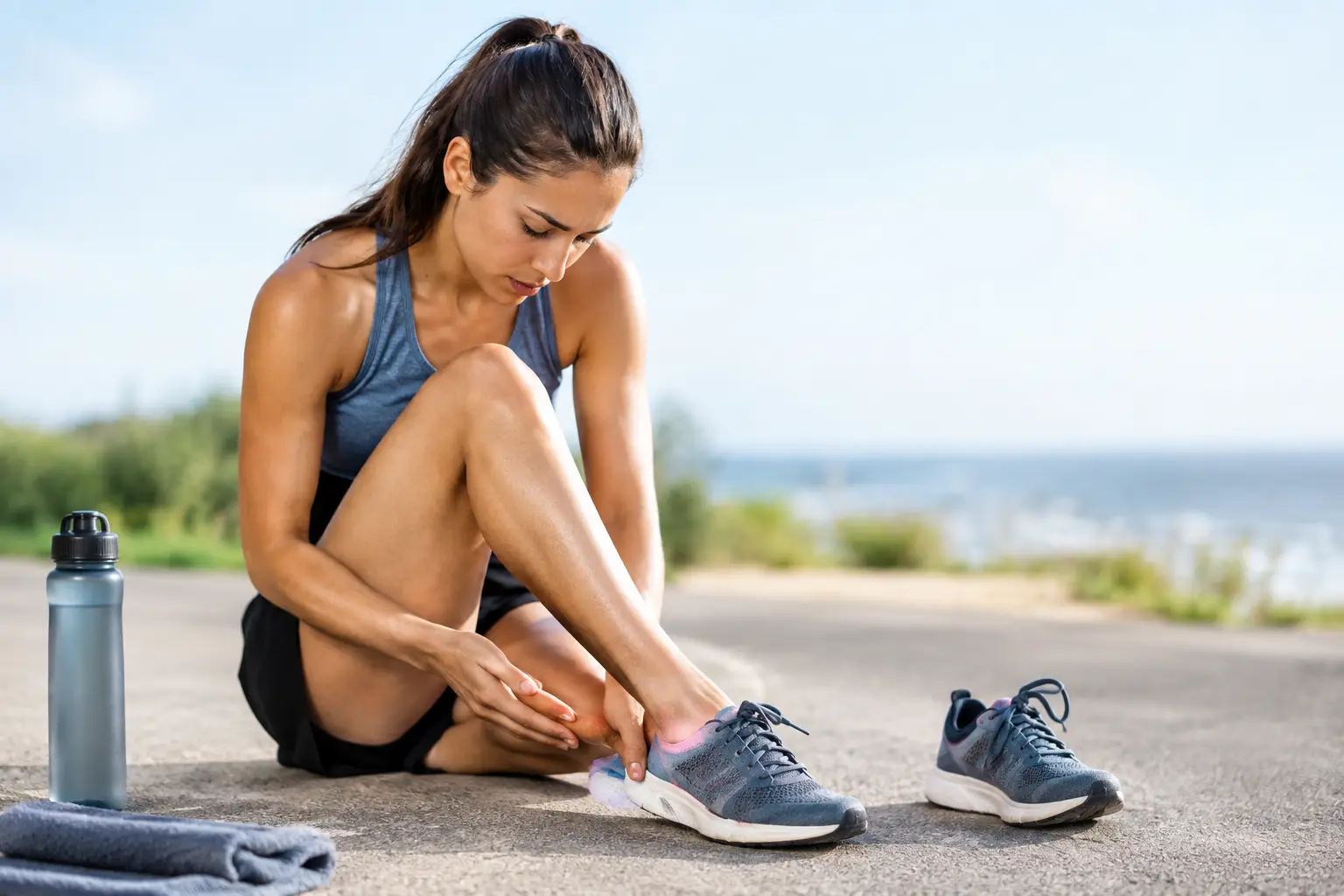
A shoe that rubs can turn a promising 10K, a hill walk or a day exploring a new city into a limp home. The good news is that learning how to stop shoe rubbing is rarely about simply putting up with a new pair until they “break in”. Rubbing is a friction problem, and friction can usually be reduced before it becomes a painful hot spot or blister.
The fastest fix starts with identifying exactly where the shoe is catching: heel, toes, side of the foot, ankle bone or the top of the foot. That location tells you whether the real cause is fit, movement inside the shoe, moisture, a stiff seam or skin that needs a protective barrier.
Why shoes rub in the first place
Shoe rubbing happens when your skin repeatedly moves against the shoe or sock. Heat, sweat and pressure make that movement more damaging. At first you may feel a warm, tender patch. Keep going without changing anything and the outer layer of skin can separate from the layer beneath it, allowing fluid to collect in a blister.
A shoe does not have to feel painfully tight to rub. In fact, shoes that are slightly too big often cause heel blisters because the foot slides with every stride. Shoes that are too narrow can create pressure and rubbing around the little toe, big-toe joint or sides of the forefoot. A pair may also fit well at the shop but become problematic after an hour, when feet naturally swell during a run, hike or long walk.
The surface matters too. Rough stitching, a firm heel counter, worn sock fabric or a damp insole can all increase friction. This is why a solution that works for a short gym session may not be enough for a wet trail day or a summer holiday with thousands of steps.
How to stop shoe rubbing before you set off
The best time to prevent a blister is before your first kilometre. Build a quick footwear check into your routine, especially when wearing new shoes or increasing your distance.
Start with fit, not just shoe size
There should be roughly a thumb’s width between your longest toe and the front of the shoe when standing. Your heel should feel held in place without being squeezed, and your toes should be able to spread naturally. Try shoes on later in the day where possible, when your feet are a little fuller and closer to how they will feel during activity.
Do not rely on size alone. Width, toe-box shape, arch volume and heel shape vary dramatically between brands and models. If rubbing appears at the same point in several pairs, your foot shape may need a roomier toe box, a narrower heel cup or a different upper material rather than another attempt at the same style.
For running and hiking shoes, leave more room than you might in a casual trainer. Downhill sections push the foot forward, while long runs and warm conditions cause swelling. A shoe that feels precisely fitted at the start can become a problem later on.
Choose socks that manage moisture
Cotton socks hold onto moisture, which makes skin softer and more vulnerable to rubbing. For training, walking and travel days, choose well-fitting technical socks made from moisture-wicking synthetic fibres, merino wool or a blend designed for activity.
Avoid socks that bunch at the toes or heel. Even a small fold becomes a friction point over distance. Make sure the sock height clears any section of the shoe collar that catches your ankle, and replace socks once the heel or toe fabric has thinned. A tired sock can undermine an otherwise excellent shoe.
Use lacing to control foot movement
Lacing is one of the most overlooked ways to stop shoe rubbing. If your heel lifts, use a heel-lock or runner’s-loop lacing pattern to secure it more firmly. This uses the top eyelets to create small loops, then threads each lace through the opposite loop before tightening. It can reduce the up-and-down movement that causes heel rubbing.
If pressure is on the top of your foot, skip the eyelet directly over the sore area to create a relief window. If your toes are hitting the front, tighten the midfoot slightly so the foot does not slide forwards, but do not pull the forefoot so tight that it creates numbness. Test any new lacing pattern on a short session first. The aim is stable, not strangled.
Create an invisible barrier at known hot spots
If you know your heel, little toe or arch is prone to rubbing, do not wait for discomfort to start. Apply an anti-chafe balm directly to clean, dry skin before putting on your socks. It reduces the drag between skin, sock and shoe, helping the area move more freely rather than repeatedly catching.
This approach is particularly useful for runners, hikers and travellers who will be on their feet for hours. Runglide Anti Chafe Balm is designed as portable, invisible armour against friction, so it is easy to apply at the heel edge, around the toes or anywhere a familiar hot spot tends to appear. For long events, carrying it means you can reapply before a mild rub has the chance to become a route-ending blister.
Fix rubbing in the area where it happens
A general fix is useful, but targeted adjustments are often more effective.
Heel rubbing
Heel rubbing usually means the heel is moving, the collar is too stiff or the shoe shape is not agreeing with your Achilles area. First, try a heel-lock lace. Then check that your socks are not slipping down into the shoe.
A blister plaster or moleskin-style pad can protect a tender area, though it needs to be smooth and firmly applied or its edge can create more friction. An anti-chafe balm works best before the skin has broken; a protective dressing is generally the better choice when the area is already raw.
Toe and forefoot rubbing
Rubbing at the toes often points to a shoe that is too short, too narrow or allowing the foot to slide forward. Trim toenails straight across and keep them short enough that they do not press into the shoe. Then reassess the fit with the socks you actually train in.
For longer efforts, choose shoes with adequate toe room and avoid suddenly wearing thick socks in a snug pair. If your little toe catches the sidewall, a wider fitting or a shoe with a less tapered toe box is usually a smarter answer than repeatedly padding the same pressure point.
Rubbing at the ankle or side of the foot
Ankle rubbing can be caused by a collar that sits directly on the ankle bone, especially in low-cut shoes or boots that are not shaped for your foot. Slightly thicker socks may help, but only if they do not make the shoe too tight. In other cases, changing the lacing tension around the top of the shoe is enough.
Side-of-foot rubbing can appear when the upper creases in the same place with every step. Look inside the shoe for a raised seam, damaged lining or insole edge. If the shoe is structurally worn, repair may not be worthwhile. Comfort is part of performance, and footwear has a working lifespan.
Break in shoes with a plan
New footwear deserves a gradual introduction. Wear it around the house first, then for a short walk or easy run. Increase the duration only when you have finished without hot spots. This is especially true for hiking boots, leather footwear and new race shoes with a different fit from your usual model.
Breaking in does not mean forcing your feet to tolerate a fundamentally poor fit. A good shoe may soften slightly and mould to you, but it should not cause sharp pain, numbness, repeated blisters or bruised toenails. If the same spot rubs every time after sensible lacing, sock changes and friction protection, return to the fit question.
What to do when rubbing starts mid-activity
Do not ignore the first warning sign. Stop when you feel a hot spot, remove the shoe and sock, and dry the area if it is damp. Reapply friction protection if the skin is intact, adjust the sock and laces, then continue only if the pressure has eased.
If a blister has formed, protect it from further rubbing with a clean blister dressing and avoid popping it where possible. An intact blister roof helps shield the skin beneath. Seek medical advice if redness spreads, pain becomes severe, there is pus or warmth around the blister, or if you have diabetes, poor circulation or reduced sensation in your feet.
Your shoes should support the miles, the commute, the climb and the everyday movement you enjoy. A few minutes spent checking fit, managing moisture and protecting your known friction points can keep your focus where it belongs: on moving forward, comfortably.