

Blog
Sports Skincare That Keeps You Moving Freely

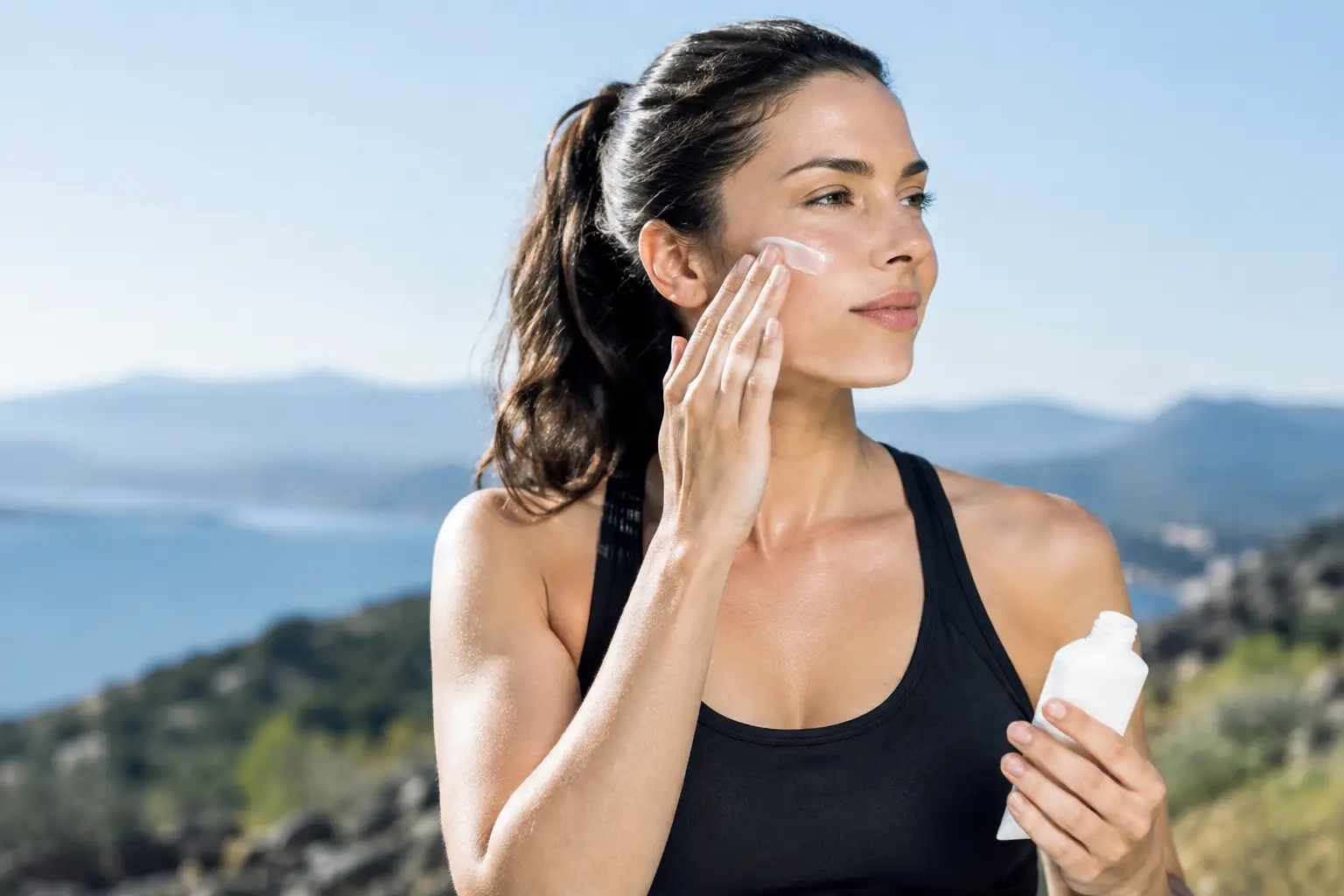
A long run can be going perfectly until a familiar sting starts at mile six. A cycle commute can turn uncomfortable where a seam rubs. A hike can be cut short by a hot spot that becomes a blister. Sports skincare is not about adding another complicated step to your kit. It is about protecting the skin that carries you through every session, so friction does not get to decide when you stop.
For runners, walkers, cyclists, gym-goers and anyone who moves often, skin comfort is performance comfort. When your skin feels protected, you can focus on your pace, your route and the satisfaction of getting it done.
Why sports skincare belongs in your kit
Sweat, heat, repeated movement and close-fitting clothing create the conditions for friction. Skin can rub against skin, fabric can rub against the body, and footwear can rub against feet. At first, this may feel like a minor annoyance. Left alone, it can become red, sore, broken skin or a painful blister.
The problem is not a lack of toughness. Chafing and blisters are mechanical problems caused by repeated rubbing, moisture and pressure. Even experienced endurance athletes deal with them, especially when the weather changes, the distance increases or they try new kit.
That is why a practical sports skincare routine starts before you leave home. Prevention is usually simpler than trying to soothe irritated skin after the damage is done. Think of anti-friction protection as invisible armour: a small layer of support between your skin and the movement you are about to repeat thousands of times.
The areas most likely to need protection
Your personal friction points depend on your sport, body shape, clothing and conditions. The best approach is to notice patterns rather than applying products everywhere without purpose.
For runners and walkers, inner thighs, underarms, nipples, the waistband area, bra lines and the backs of the heels are common trouble spots. On longer routes, toes and the balls of the feet can also take a beating, particularly in warm or wet conditions.
Cyclists often need support where shorts, saddle contact and repeated pedalling meet. Hikers and trekkers should pay close attention to heels, toes, ankle areas and any place a boot or sock has rubbed before. Gym users may find that seams, sports bras, compression wear and repetitive machine work create irritation in places they did not expect.
It is not only for sport. A day spent sightseeing, travelling, working outdoors or walking in warm weather can create the same friction. If movement causes rubbing, skin protection has a role to play.
Build a routine that works before the first mile
A good routine is quick enough that you will actually use it. Start with clean, dry skin. Moisture is not always avoidable once you begin exercising, but applying protection to dry skin gives it a better starting point.
Next, apply an anti-chafe balm to the areas you know tend to rub. Use a light, even layer. More is not automatically better: the goal is to reduce friction without leaving your skin feeling overly coated or uncomfortable. A stick format is especially useful because it allows targeted application without messy hands or a bottle rolling around at the bottom of your bag.
Then check your clothing and footwear. Skincare can reduce friction, but it cannot fully compensate for badly fitting kit. Choose socks that suit the conditions, test seams on new shorts or leggings, and make sure shoes have enough room for your feet to expand during longer efforts. If a particular item repeatedly causes a problem, it may be time to retire it from your training rotation.
For events, long hikes or all-day adventures, take your balm with you. Reapplication can make sense after heavy sweating, swimming, rain, changing clothing or many hours on the move. Your needs will vary, so use training days to learn what works before race day or a big trip.
Sweat changes the equation
Sweat is part of training. It helps regulate body temperature, but it also softens skin and can increase the drag between skin, fabric and footwear. Add heat and humidity, and a route that feels easy in cool weather can become a friction challenge.
This is where choosing the right product texture matters. Some people prefer a balm that feels dry and stays put rather than an oily product that may move around or affect the feel of clothing. Others may need to reapply more often during very long sessions. There is no single answer for every body or sport.
Plan for conditions, not just distance. A humid 5K, a rainy hike and a dry winter marathon each place different demands on your skin. Pay attention to the sessions that cause problems and adjust your preparation from there.
Do not ignore hot spots
A hot spot is your early warning system. It is the small area that feels warm, tender or unusually noticeable before a blister forms. If you feel one during activity, deal with it at the earliest practical opportunity. Adjust a sock, smooth a seam, remove grit from your shoe or reapply protection if needed.
Pushing through can feel determined, but it can also turn a manageable issue into skin damage that affects the next few days of training. Smart preparation is not soft. It is what keeps consistency possible.
Sports skincare after training
Post-session care is less about a shelf full of products and more about giving your skin a chance to recover. Change out of damp clothing soon after exercise, wash away sweat and dry the skin gently. Avoid aggressively scrubbing areas that already feel tender.
If you have mild chafing, reduce friction while it settles. Wear loose, breathable clothing where possible and avoid repeating the exact cause of irritation until the skin feels comfortable again. If a blister is intact, protect it from further rubbing rather than popping it unnecessarily. Broken skin deserves extra care: keep it clean and covered, and watch for increasing pain, heat, swelling, discharge or spreading redness.
Seek advice from a pharmacist or healthcare professional if you suspect an infection, have diabetes or poor circulation, or if irritation is severe and does not improve. Prevention products support active skin, but they are not a substitute for medical care when something is wrong.
Keep your sports skincare simple and consistent
The most effective routine is the one that fits real life. You do not need to turn every run into a lengthy pre-event ritual. Keep your anti-chafe protection where you pack your kit, alongside your socks or in the pocket of your running bag. Make it as automatic as filling your water bottle or charging your watch.
Runglide Anti Chafe Balm is designed for exactly that kind of routine: targeted, portable protection for the places where friction tries to interrupt your movement. Whether you are training for a race, heading out on the hills, cycling to work or simply enjoying a long walk, a few seconds of preparation can make a noticeable difference.
Your skin is part of your performance system. Treat it with the same practical attention you give your shoes, your layers and your recovery. Protect the areas that rub, respond early to hot spots, and give yourself one less reason to hold back when the next mile is waiting.