

Blog
How to Avoid Backpack Strap Chafing on Hikes

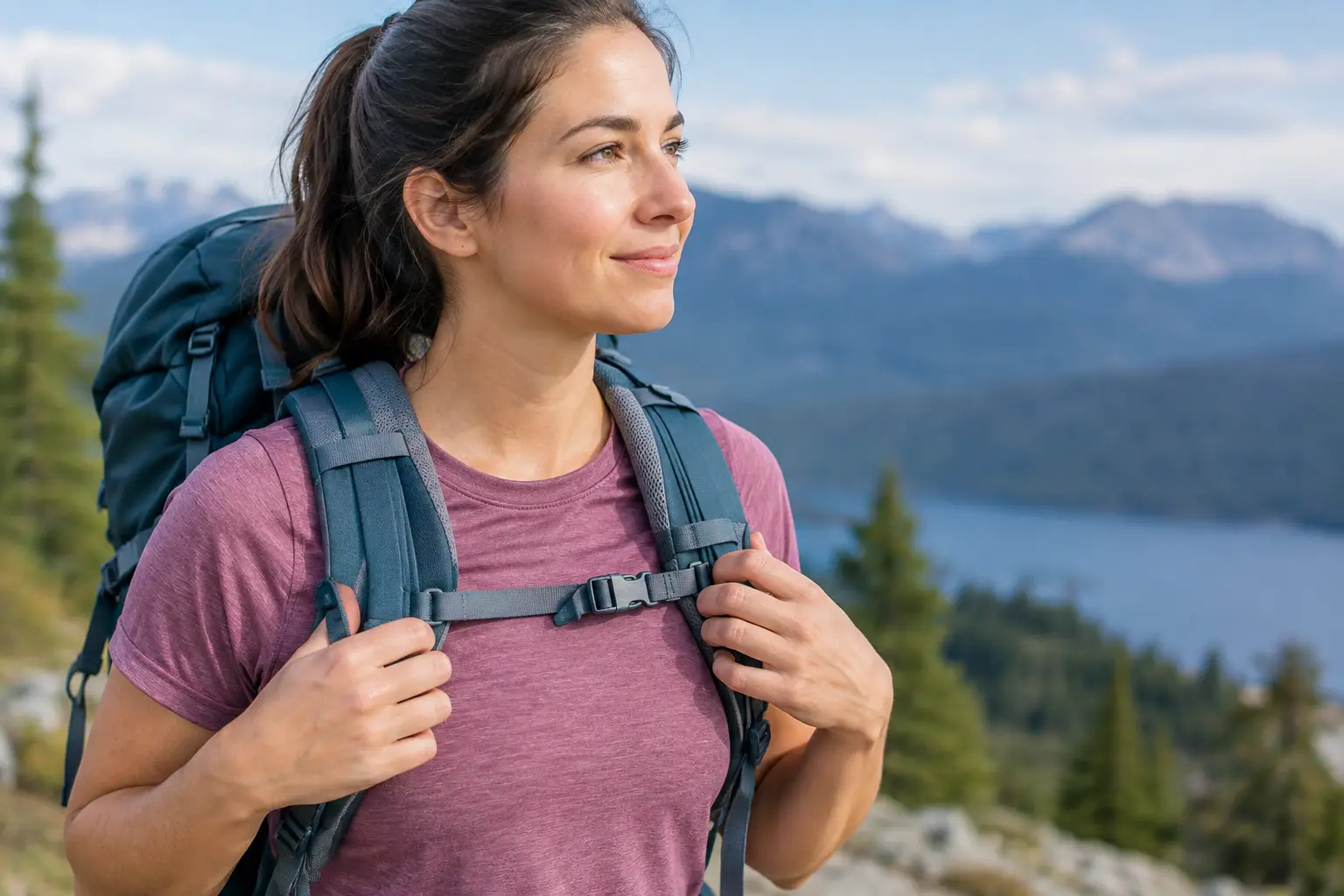
A brilliant day on the trail can be derailed by a raw patch on your collarbone, shoulder or underarm. Learning how to avoid backpack strap chafing is not about wrapping yourself in layers or buying the most expensive pack. It is about managing friction before sweat, movement and loaded straps turn a minor rub into skin you do not want to touch.
Whether you are heading out for a weekend hill walk, carrying a daypack on a city break or tackling a multi-day trek, your backpack should help you move further, not give you another reason to stop. A few practical adjustments can make a huge difference.
Why backpack straps cause chafing
Chafing happens when skin or fabric repeatedly rubs against another surface. Backpack straps create a near-perfect setup for it: pressure from the pack, movement with every step, heat, sweat and sometimes a rough seam directly beneath the strap.
The usual problem areas are the tops of the shoulders, the base of the neck, collarbones, underarms, chest and lower back. Where you chafe depends on your body shape, clothing, pack design and how you carry the load. A strap that feels fine during the first mile can become abrasive after an hour of sweat and uphill movement.
Heavier loads make the issue more likely, but even a lightly packed bag can rub if it sits too low, shifts from side to side or is worn over a loose cotton top. The goal is not simply to add padding. It is to reduce unwanted movement and protect the skin where friction is most likely.
Start with the fit, not the pain
A well-fitted backpack is your first line of defence. If the pack hangs away from your body, the shoulder straps pull and slide as you walk. That constant motion creates rubbing long before you notice the pressure.
Begin by loading the bag as you would for your actual walk. A pack can feel comfortable when empty, then sit entirely differently with water, food, waterproofs and kit inside. Place the heavier items close to your back and roughly around the middle of the pack. This keeps the weight stable instead of dragging backwards.
Adjust the hip belt first if your pack has one. It should sit around the top of your hip bones and take a meaningful share of the load. Then tighten the shoulder straps so they follow your body without digging in. They should be secure, but not so tight that they pull hard on the front of your shoulders.
Finally, use the chest strap and load-lifter straps, if fitted. The chest strap helps stop the shoulder straps drifting outwards and rubbing at the underarms. Load lifters can bring the top of the pack closer to your body. Small changes matter here. Walk around for five minutes, then readjust rather than assuming the first setting is right.
Choose clothing that works under straps
Your base layer is part of your anti-chafe system. The wrong fabric can hold sweat, bunch beneath straps and create a rough surface that gradually irritates skin.
Cotton is comfortable for everyday wear, but it absorbs moisture and dries slowly. On a warm hike or a long day of travelling, that can leave damp fabric pressed beneath a strap for hours. Technical synthetic fabrics and merino wool are often better choices because they manage moisture more effectively. The best option depends on the weather, your sensitivity to wool and how hard you expect to work.
Fit matters as much as fabric. A top that is very loose may fold under the straps, while one that is overly tight can pull across the shoulders and expose seams to pressure. Look for flat seams, smooth shoulder panels and sleeves that do not creep into the underarm area.
Before a big outing, wear the full combination of top and backpack on a shorter walk. This is especially worthwhile with new kit. A tiny raised seam that seems harmless at home can become a genuine problem ten kilometres later.
Protect high-friction areas before you set off
The most reliable time to deal with chafing is before your skin feels sore. Once irritation has started, every movement can make it worse.
Apply an anti-chafe balm to clean, dry skin in the areas where your straps normally rub. For many people, that means the collarbones, tops of the shoulders, outer chest or underarms. If your pack moves against your lower back, that area may need attention too. A protective layer reduces the drag between skin, clothing and straps, helping you stay comfortable through sweat, rain and repeated movement.
Runglide RG Anti Chafe Balm is a portable option for this job. Apply it before a walk, hike, run commute or travel day, then keep the stick in an easy-to-reach pocket for longer outings. The point is simple: create your invisible armour before friction gets the chance to build.
Do not wait for a hotspot to become painful. If you notice warmth, tingling or a persistent rub during a break, deal with it there and then. Reapply balm if needed, smooth your clothing and check whether the pack has shifted. A two-minute adjustment can save the rest of your day.
How to avoid backpack strap chafing on longer hikes
Long-distance days need a little more planning because the conditions change. You may start cool and dry, then climb into warm weather, sweat through your base layer or put on a waterproof that changes how the straps sit.
Pack for those changes. Keep your anti-chafe balm accessible rather than buried at the bottom of your bag. If you know you sweat heavily, carry a spare base layer for the end of the day or for a long stop. Changing out of a damp top can reduce rubbing and makes the final miles feel far more manageable.
Take brief, useful breaks. Rather than only stopping when you are exhausted, use pauses to roll your shoulders, loosen the straps, check the hip belt and assess any developing hotspots. This is particularly helpful after steep climbs, when the bag may have settled differently on your back.
It also pays to vary your posture on easier ground. If you always lean forwards under a pack, pressure concentrates around the shoulders and neck. Stand tall, let the hip belt carry its share and keep the load close. Your skin, shoulders and lower back will all benefit.
Do not ignore the backpack itself
Sometimes the problem is not your technique. Worn foam, exposed stitching, damaged strap edging or an awkwardly placed buckle can cause recurring irritation no matter what you wear.
Inspect your pack before blaming your skin. Feel along the inside of the shoulder straps and around the harness for rough edges, grit, hardened salt from old sweat or loose threads. Clean the straps according to the manufacturer’s instructions and allow them to dry fully. Dirt and dried sweat can make fabric feel surprisingly abrasive.
Strap covers or soft sleeves can help if a particular edge is uncomfortable, but they are not always the answer. Adding bulky padding may alter the fit and make the pack move more. If a backpack consistently creates problems despite careful adjustment, it may be the wrong torso length or harness shape for you. That is not a failure of endurance. It is a sign that the fit is wrong.
If chafing has already started
When skin is rubbed raw, remove the source of friction as soon as possible. Clean the area gently with water, pat it dry and avoid scrubbing. If you need to continue, use a clean protective dressing where appropriate and adjust the pack so it no longer presses on the same spot.
Do not keep tightening straps in the hope that more pressure will solve rubbing. Sometimes a slightly different adjustment, a layer change or redistributing the load is what stops the movement. If the skin is broken, increasingly painful, swollen or shows signs of infection, stop pushing through and seek appropriate medical advice.
Your next hike does not need to come with sore shoulders as part of the deal. Fit the pack with intention, wear smooth moisture-managing layers and protect the places where friction usually wins. Then you can put your energy where it belongs: moving freely, seeing more and enjoying every mile.