

Blog
Can Anti Chafe Balm Prevent Blisters While Running?

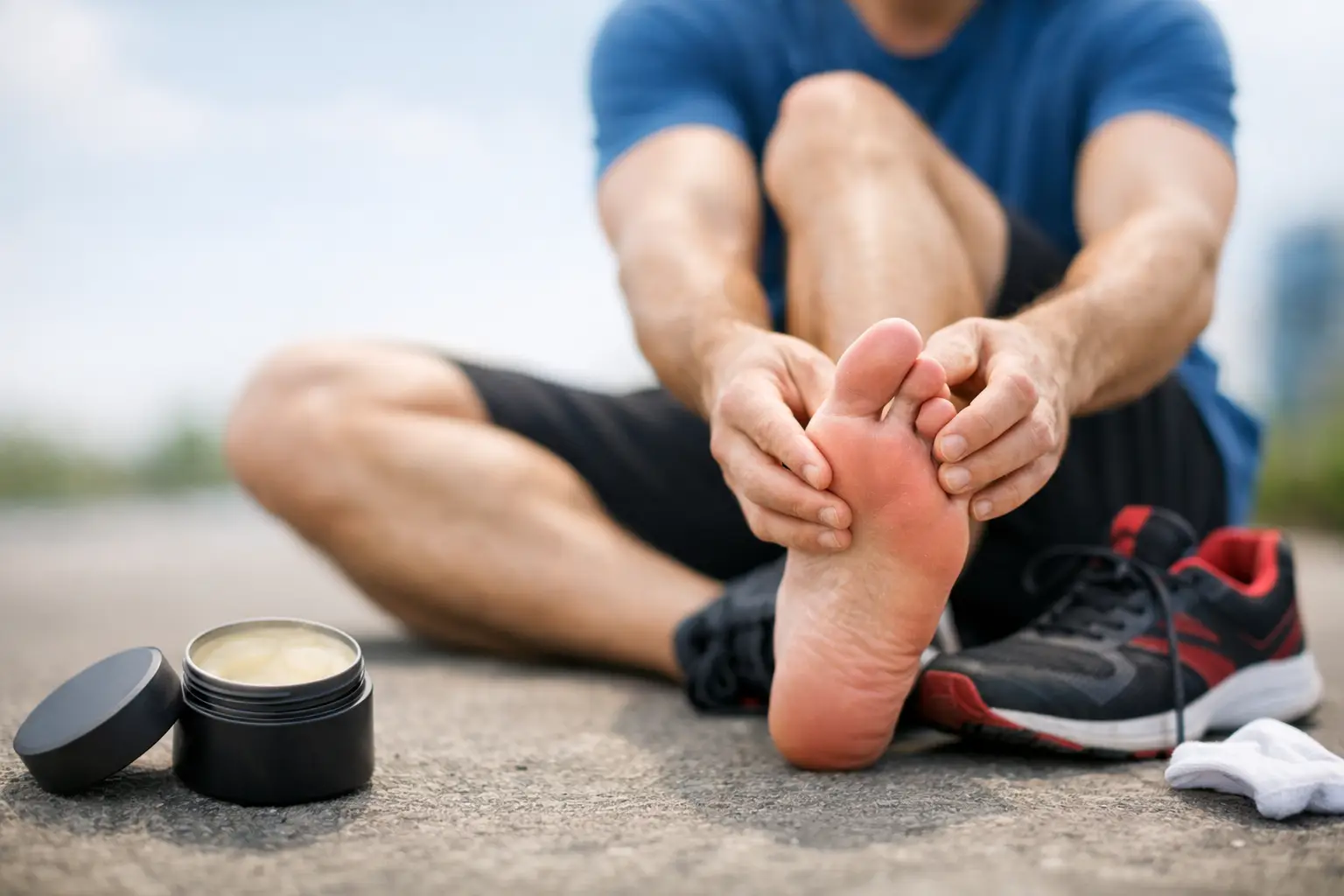
That hot spot on the side of your heel is easy to ignore for the first kilometre. By the fifth, it can change your stride. By the end, it may be a blister that makes walking downstairs, putting on shoes or training again feel like a punishment.
So, can anti chafe balm prevent blisters? In many cases, yes. A well-applied anti-chafe balm can lower the friction that causes many activity-related blisters, especially on feet, toes, heels and other high-rub areas. It is not a magic fix for shoes that do not fit or socks that stay wet, but it can be a seriously useful layer of protection when you pair it with the right kit and a little preparation.
Why blisters form in the first place
Most exercise blisters begin with repeated friction. Your skin moves against a sock, shoe, insole or another part of your body. Heat and moisture make the skin softer and more vulnerable, while pressure concentrates the rubbing in one small spot. The upper layers of skin separate, and fluid collects in the gap.
That is why blisters tend to show up in familiar places: the back of the heel, the ball of the foot, the outside edge of the little toe, between toes, under bra straps, around waistbands and on inner thighs. Long runs, hikes, rides and hot-weather walks create the perfect conditions – repetition, warmth, sweat and movement.
The practical goal is not to make skin indestructible. It is to reduce the drag and rubbing before the skin reaches its breaking point.
Can anti chafe balm prevent blisters?
Anti-chafe balm works by creating a protective, low-friction layer between your skin and the surface that is rubbing against it. Instead of skin catching and dragging with every step or pedal stroke, the balm helps it move more freely. Less friction usually means less heat, less irritation and a lower chance of a blister forming.
For runners, this can be especially valuable on areas that repeatedly rub inside the shoe. For hikers, it can add protection during long descents, when feet slide forwards and toes press against the front of the boot. Cyclists may use it where clothing seams, saddles or shoes create persistent contact.
The key word is can. A balm prevents friction-related blisters best when it is applied before you feel discomfort. Once a hot spot is burning or skin has started to lift, the job changes from prevention to protection and recovery.
What balm can and cannot solve
A quality anti-chafe balm is an excellent first line of defence, but it cannot compensate for a shoe that is too short, too narrow or badly worn. Nor can it fully overcome soaking-wet socks, grit inside a shoe, or a new pair of trainers taken straight into a half marathon.
Think of it as invisible armour, not a licence to ignore your setup. The strongest blister-prevention routine combines friction control with footwear that fits, socks suited to your activity and a sensible build-up in distance.
Where to apply anti-chafe balm for blister prevention
Apply balm anywhere you know rubbing is likely to happen. Your own pattern matters more than a generic rule. If you always get a blister on your right heel, treat that heel. If the second toe rubs on longer runs, target it before you lace up.
For foot blisters, common areas include the back and sides of the heel, the ball of the foot, the tops and sides of toes, between toes, and the area where the shoe tongue or laces press. Use a light but complete coating. You want coverage, not a thick layer that leaves your feet feeling slippery.
Do the same for body hot spots. Inner thighs, underarms, the bra line, waistbands and areas beneath pack straps can all suffer from friction over distance. A portable balm stick makes this quick to do at home, in a changing room or at the start line.
Apply it to clean, dry skin before activity. If you are heading out for several hours, carrying the stick for a top-up can be worthwhile, particularly in rain, humidity or intense heat. How often you need to reapply depends on your sweat level, the activity and how much rubbing your kit creates.
Get the footwear part right
If a blister keeps coming back in the exact same place, do not just apply more balm. Investigate the cause. Persistent rubbing is useful information.
Your trainers or hiking boots should have enough length to allow for foot swelling and downhill movement. Your toes should not repeatedly hit the front of the shoe, and your heel should not lift excessively with each step. Width matters too. A shoe can be the right length but still pinch the forefoot or squeeze the toes together.
Socks are not an afterthought. Choose clean, well-fitting technical socks that move moisture away from the skin and do not bunch under the arch or heel. Cotton can hold moisture for longer, which may increase the risk of friction for many people. On particularly long outings, changing into a dry pair of socks can make a bigger difference than pushing through in damp ones.
Also check the small things: rough seams, folded sock fabric, debris in shoes, worn-out insoles and lacing that creates pressure across the top of your foot. Blister prevention is often won in these details.
A simple pre-run or pre-hike routine
You do not need a complicated ritual. Before a session, check that your feet are dry and that your socks sit flat. Apply anti-chafe balm to your known friction points, then put on your socks carefully so they do not twist the product into one spot.
Once your shoes are on, walk around for a minute. If something feels tight, scratchy or uneven before you leave, it will rarely improve after an hour of movement. Adjust your laces, remove any grit and deal with discomfort while the solution is still easy.
For a race, an all-day hike or a long day of travelling, use the routine in training first. Your skin, footwear and preferred amount of balm are personal. The time to learn what works is not at kilometre 30.
What to do when you feel a hot spot
A hot spot is your early warning system. Do not wait to see whether it becomes a blister. Stop when practical, inspect the area and dry it if sweat or rain is involved. Reapply balm if friction is the issue, and consider adding a protective dressing or tape if the skin is already tender.
If a blister has formed, keep the area clean and protect it from further rubbing. Avoid deliberately popping it unless you have a clear reason and know how to manage it hygienically. Intact skin offers a useful barrier. If you notice spreading redness, warmth, swelling, pus or increasing pain, seek medical advice, particularly if you have diabetes, circulation problems or reduced sensation in your feet.
Is anti-chafe balm only for serious athletes?
Not at all. Blisters do not care whether you are training for an ultra, walking the dog, breaking in work shoes or exploring a new city on holiday. Any repeated rubbing can become an issue.
That is why an anti-chafe balm earns its place beyond the gym bag. It can help with uncomfortable sandals, summer dresses, long travel days and everyday walking as well as runs and rides. Runglide RG Anti Chafe Balm is designed for exactly this kind of practical, on-the-go protection: a simple stick that helps reduce friction without adding another complicated step to your routine.
Your best sessions are not always the fastest or longest ones. Sometimes progress is simply finishing comfortably enough to want to go again tomorrow – and preventing that first hot spot is a very good place to start.