

Blog
Best Products for Sweaty Feet That Keep You Moving

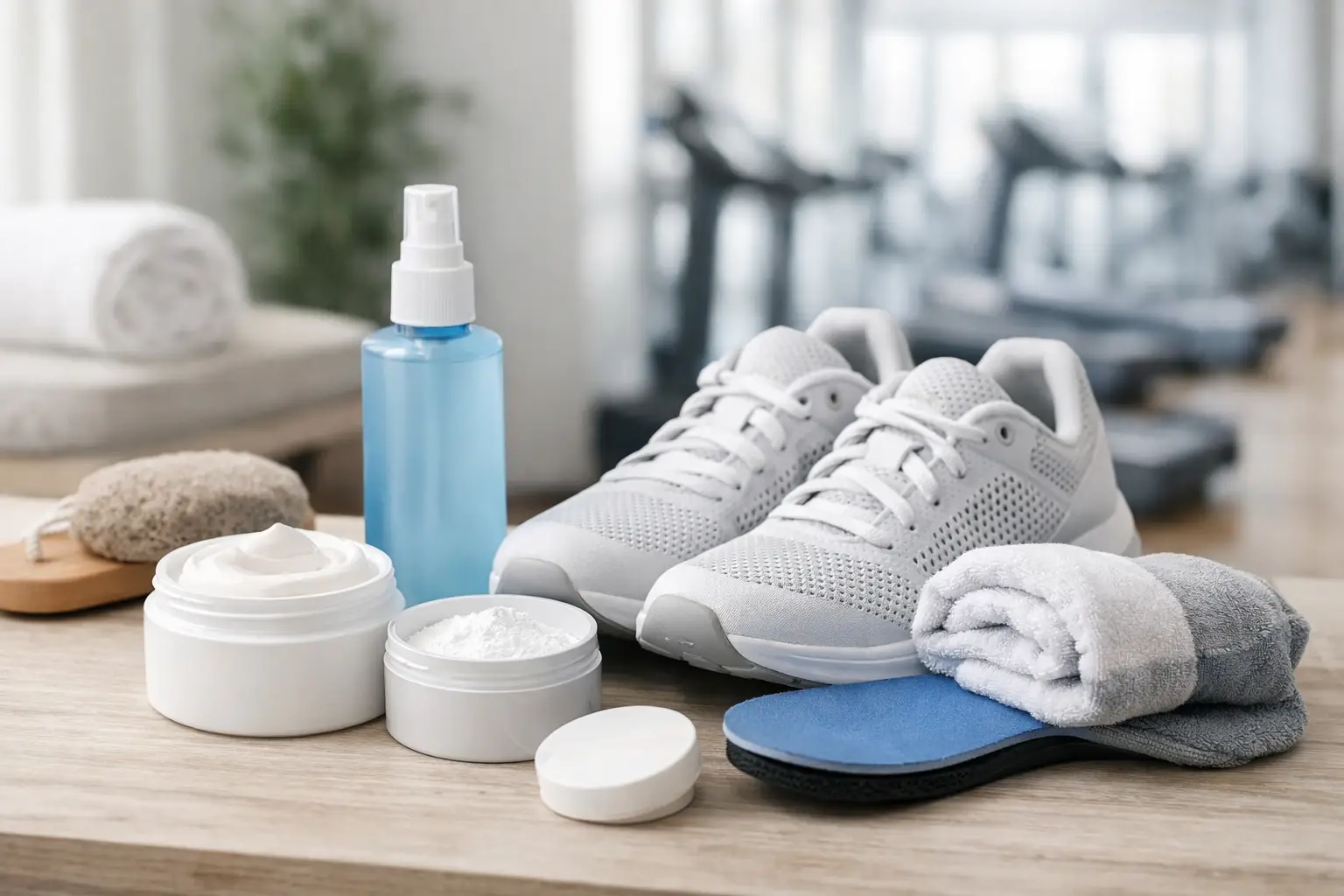
A hot spot on mile three, socks that feel damp before lunch, or that familiar slide inside your trainers can turn a good session into a painful one. The best products for sweaty feet do more than mask odour: they manage moisture, reduce friction and help your skin hold up when the miles, heat or long days keep coming.
Sweaty feet are common, particularly in enclosed footwear. Your feet have a high concentration of sweat glands, and training shoes can trap heat instead of letting it escape. Sweat itself is not the enemy. The problem starts when damp skin softens, socks bunch, feet slide and repeated rubbing creates irritation or blisters.
The right answer is rarely one miracle product. It is a simple system built around your activity, footwear and how much you sweat.
Best products for sweaty feet: start with moisture control
For most active people, a proper foot antiperspirant is the most useful first step. Unlike a deodorant, which mainly tackles smell, an antiperspirant is designed to reduce the amount of sweat reaching the skin’s surface. Look for a formula made specifically for feet and follow the directions carefully, as many work best when applied to clean, dry skin before bed.
This can be especially helpful for runners, hikers and commuters whose feet become soaked during ordinary daily wear. Give it time to work rather than applying it moments before a run. If your skin is sensitive, begin with a lower-strength formula or use it less often. If you develop stinging, a rash or persistent dryness, stop using it and seek advice from a pharmacist or clinician.
Foot deodorant sprays and creams have a different job. They can help control odour, often by addressing the bacteria that thrive in warm, damp shoes, but they do not necessarily reduce sweating. They are a useful extra for gym bags, travelling and busy workdays, not a substitute for moisture management when blisters are the real issue.
Socks are performance equipment, not an afterthought
A good pair of moisture-wicking socks is one of the best purchases you can make for sweaty feet. Cotton can feel comfortable at the start, but it tends to hold onto moisture. Once wet, it can stay wet against the skin and increase the chance of rubbing.
Choose technical socks made with synthetic fibres, merino wool, or a blend of both. Synthetic options usually dry quickly and feel light. Merino is excellent for regulating temperature and resisting odour, making it a strong choice for long walks, hiking and cooler conditions. The best option depends on the fit of your shoe and your own comfort preferences.
Fit matters as much as fabric. Socks that are too loose can crease beneath the foot. Socks that are too tight can create pressure and make your feet feel hotter. For longer efforts, carry a spare pair. Changing into dry socks halfway through a hike or after a wet commute can make a dramatic difference to comfort.
Use powder when dampness is the main problem
Foot powders can absorb moisture and reduce that clammy feeling inside shoes. They are most useful for everyday footwear, work shoes and lower-intensity activity where you want drier-feeling feet without changing your whole routine.
Apply a light amount to fully dry feet and, if appropriate for the product, inside dry footwear. Too much powder can clump once it mixes with sweat, so more is not always better. If you are running long distances, test it in training first. Some runners love the dry feel; others find that powder shifts or does not offer enough protection once sweat builds.
Medicated antifungal powders are different. They may be appropriate if you have confirmed athlete’s foot or have been advised to use one, but they are not a general solution for every sweaty foot. Itching, peeling skin, cracks between the toes or a stubborn odour may need proper assessment rather than another layer of spray.
Protect high-friction areas with anti-chafe balm
Moisture makes skin more vulnerable, but friction is what often finishes the job. If you repeatedly blister on your heel, little toe, arch or the ball of the foot, an anti-chafe balm can create a protective glide layer before you put your socks on.
Apply it directly to clean, dry skin in the exact areas where rubbing starts. Be specific rather than coating the whole foot. Your aim is to reduce drag between skin, sock and shoe while keeping your footing secure.
This is particularly useful for long runs, hikes, walks in warm weather and new-shoe days. Runglide Anti Chafe Balm is designed for that job: a portable, petroleum-free option that helps reduce friction before it turns into irritation. As with any product, test it on a shorter outing first. The right amount should help your foot move naturally, not leave you feeling slippery inside your trainer.
For an existing hot spot, stop and deal with it early. Dry the area, change socks if you can, and use a protective blister dressing or tape suitable for intact skin. Pushing through the warning signs is how a manageable rub becomes a torn blister that sidelines the rest of your week.
Choose footwear that lets heat escape
No spray, powder or balm can fully compensate for shoes that are too small, too worn out or built with poor ventilation for your needs. When your foot gets hot, it sweats more. When there is no room for natural movement, friction rises.
For training, look for shoes with breathable uppers and enough space in the toe box for your feet to spread slightly. A shoe can feel fine when you first try it on but become restrictive after an hour, when feet naturally swell. If your toes hit the front on descents or your heel lifts with every stride, review the fit before blaming your socks.
Rotating footwear also helps. Give trainers and everyday shoes time to dry properly between wears, ideally with the insoles removed. If the inside remains damp day after day, bacteria and odour have an easy place to build up. A shoe dryer can be useful, but avoid intense direct heat that may damage glues or materials.
Insoles can help, but only for the right reason
Moisture-managing insoles can improve comfort, especially in work shoes or boots that cannot be very breathable. Some are designed to absorb sweat; others focus on odour control. They can be worthwhile if your shoes feel damp even with good socks.
Be careful with bulk. A thick insole may make a shoe tighter, increasing pressure and heat. If you add one, check that your heel is still secure and your toes still have space. For runners, hikers and cyclists, a poorly fitted insole can create a new rubbing point rather than solve an old one.
Build a routine that matches your day
The most effective routine is usually uncomplicated. Start with clean, completely dry feet. Use an antiperspirant consistently if excessive sweating is your main issue. Add technical socks, protect known rubbing zones with balm, and wear shoes that fit the activity.
On long days, pack a spare pair of socks and a small towel or tissues. That gives you a quick reset when conditions change. It is a small habit, but dry feet are less likely to slide, rub and distract you from the work you came to do.
If sweating is severe, suddenly changes, interferes with daily life, or comes with broken skin and repeated infections, speak with a healthcare professional. There are treatments beyond shop-bought products, and you do not need to simply tolerate the discomfort.
Your feet carry every training session, dog walk, commute and weekend adventure. Give them a routine that keeps them dry enough, protected where it counts, and ready for the next step.