

Blog
How to Prevent Calf Rub When Running Comfortably

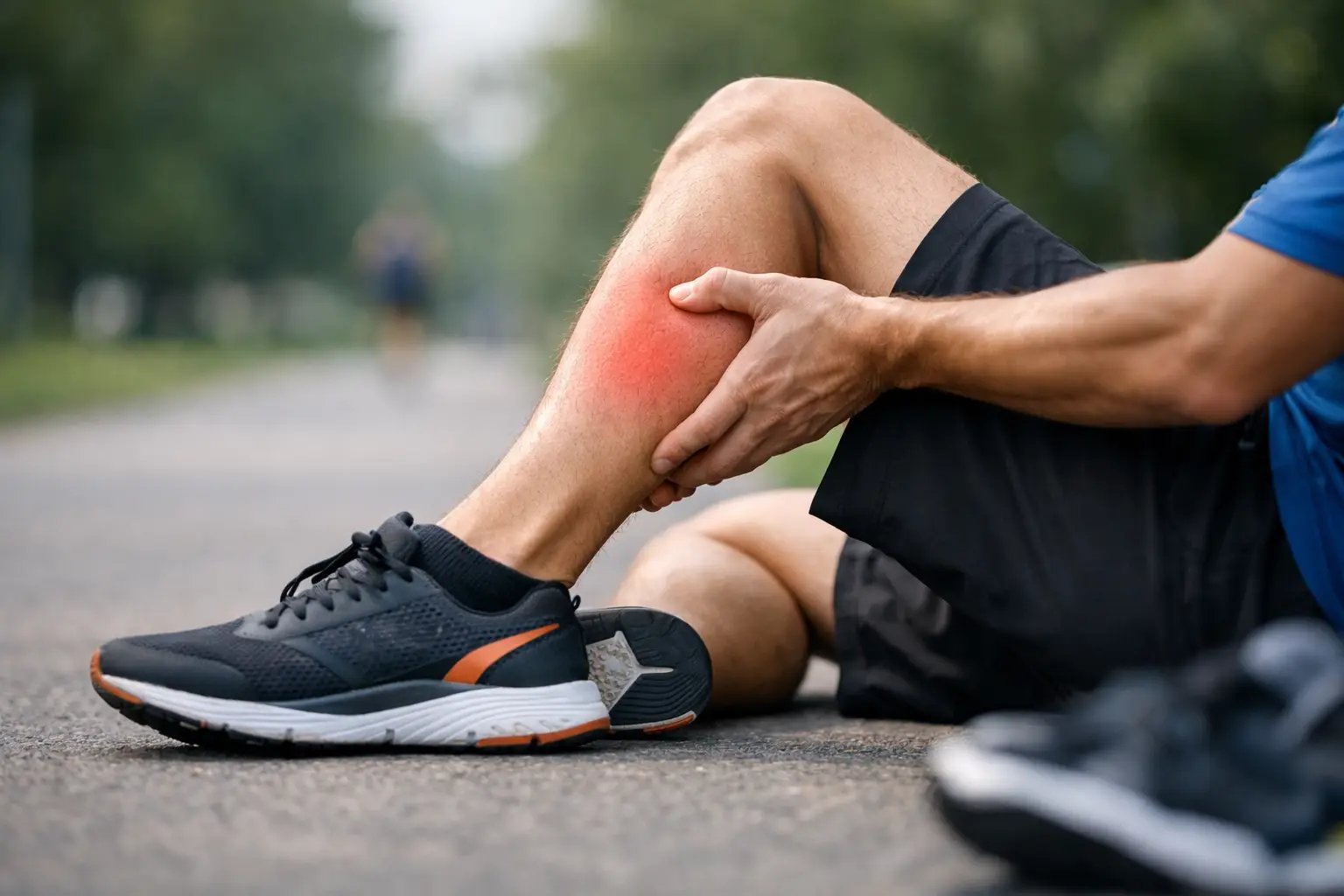
That sharp, burning patch on the inside of your calf can turn a good run into a countdown to the finish. It often starts quietly: a little warmth, a faint itch, perhaps a damp spot where your shorts, socks or the opposite leg keeps catching. Knowing how to prevent calf rub when running means dealing with friction before it becomes painful chafing – so your focus stays on pace, breathing and the miles ahead.
Calf rub is common, especially in warm weather, on long runs and when your kit gets wet with sweat or rain. The good news is that it is usually preventable with a few purposeful changes to your skin prep, clothing and training routine.
Why calf rub happens on a run
Chafing is caused by repeated friction. At the calves, this may be skin rubbing against skin, a sock cuff or compression sleeve shifting, loose shorts brushing the same area, or fabric seams becoming abrasive once they are wet. Sweat makes the skin softer and salt left behind as sweat dries can make the surface feel even more irritating.
Your natural running gait matters too. Some runners have a narrow stride or leg movement that brings their calves close together, particularly as fatigue builds. This is not automatically a flaw that needs correcting. Trying to force a new running form simply to avoid rubbing can create problems elsewhere. It is usually smarter to protect the contact point first, then look at kit fit and gradual strength work if the issue persists.
Body shape, muscle size, hair removal, dry skin and a sudden rise in distance can all play a part. That is why a solution that works perfectly for one runner may need adjusting for another.
How to prevent calf rub when running
The most reliable approach is to reduce friction, manage moisture and stop clothing from moving around. Think of it as putting invisible armour on the areas that work hardest.
Apply anti-chafe balm before you leave
A purpose-made anti-chafe balm creates a protective barrier between skin and whatever is rubbing against it. Apply it directly to the inner calves, the back of the calves if a sock cuff causes trouble, and any spot that has rubbed before. Do this on clean, dry skin before your run, rather than waiting for the first sting.
Be generous enough to cover the whole contact zone, not just the small red patch from your last run. Friction can move slightly as your stride changes or your shorts become damp. For longer races, trail days or hot conditions, carry a compact stick and reapply if needed.
Runglide RG Anti Chafe Balm is designed for exactly this kind of pre-run protection. Its portable stick format makes it easy to apply without mess, whether you are heading out for a lunchtime 5K or lining up for an endurance event.
Choose kit that stays where it belongs
The right running clothes should move with you, not repeatedly drag across your skin. Look closely at where the rub occurs. If it is high on the inner calf, longer fitted shorts, half tights or running tights may create a useful fabric barrier. If the irritation starts lower down, your socks or calf sleeves may be the culprit.
Avoid rough seams, heavy fabrics and loose hems that flap against your legs. Technical fabrics that wick moisture can help, but fit still matters more than a label. A very tight garment can also cause trouble if it digs in, traps sweat or rolls during your run.
Before committing to new kit for race day, test it on an easy run of at least an hour. Clothing can feel fine for twenty minutes and become a problem once heat, sweat and fatigue arrive.
Pay attention to socks and compression gear
Socks are an easy detail to overlook. A cuff that slips, bunches or has a prominent seam can create repeated rubbing on the lower calf. Choose socks that fit your foot and calf securely without leaving deep marks. If you wear compression socks or sleeves, make sure the size is correct and the top edge sits flat against the skin.
Compression gear can be useful for warmth, comfort or personal preference, but it is not automatically anti-chafe. A sleeve that slides down with sweat may cause more rubbing than no sleeve at all. Try it on a longer training run first and inspect your skin afterwards.
Keep sweat and salt from taking over
You cannot, and should not, try to stop sweating on a run. Sweat cools you. The aim is to prevent wet fabric and salty skin becoming a source of friction.
In humid weather, rain or long-distance events, assume you will need more protection than you do on a cool, dry jog. Start with dry kit, avoid re-wearing unwashed socks or tights, and change out of damp clothes as soon as practical after finishing. Salt and moisture left on irritated skin can make the post-run burn feel far worse.
A quick shower and gentle pat dry are usually better than aggressively scrubbing the area. If your skin is prone to dryness, moisturise at a separate time from your run. Applying a standard moisturiser immediately before exercise can leave skin overly soft or sticky for some people.
Build distance without overwhelming your skin
A sudden jump from short runs to long runs gives your cardiovascular system, muscles and skin a lot to adapt to. Calf rub may only appear after an extra few kilometres because the contact repeats thousands more times.
Increase your distance gradually, especially if you are returning after time off, training for a half marathon, or preparing for a walking or running holiday. Use your longer sessions to test the exact combination of shorts, socks, hydration and anti-chafe protection you plan to use on event day.
It is also worth noticing when rubbing begins. If it only appears after an hour, your barrier may need reapplying or your kit may be becoming saturated. If it happens within ten minutes, look first at a seam, sock edge or poorly fitting garment.
What to do if your calves are already chafed
Do not keep rubbing irritated skin on every run and hope it toughens up. Chafed skin needs a chance to recover. Clean the area gently with lukewarm water, pat it dry and wear loose, breathable clothing until the soreness settles. Avoid fragranced products or anything that stings on broken skin.
A short break from running, or switching to a friction-free session such as cycling, swimming or strength work, can be the sensible choice. Returning too soon can turn a mild hot spot into cracked or infected skin.
Seek medical advice if the area becomes very painful, increasingly red, swollen, hot, weepy or shows signs of infection. Also get it checked if you are not sure the problem is chafing. A rash, eczema, fungal infection or reaction to a fabric detergent can look similar but needs a different solution.
Your pre-run calf rub check
Before a longer run, race or hike, take two minutes to check the details that protect your stride:
- Start with clean, dry skin and dry running kit.
- Apply anti-chafe balm to previous hot spots and likely contact areas.
- Check that socks, sleeves and shorts lie flat without rolling or bunching.
- Pack a small balm stick for long, hot or wet sessions.
- Change and wash sweaty kit promptly once you finish.
Calf rub is a small problem with a big ability to disrupt your plans. Prepare the skin, choose kit that earns its place, and give your body the protection it needs. Then each run can be about moving forward freely – not running through discomfort.