

Blog
Women’s Running Comfort Essentials Guide for Every Mile

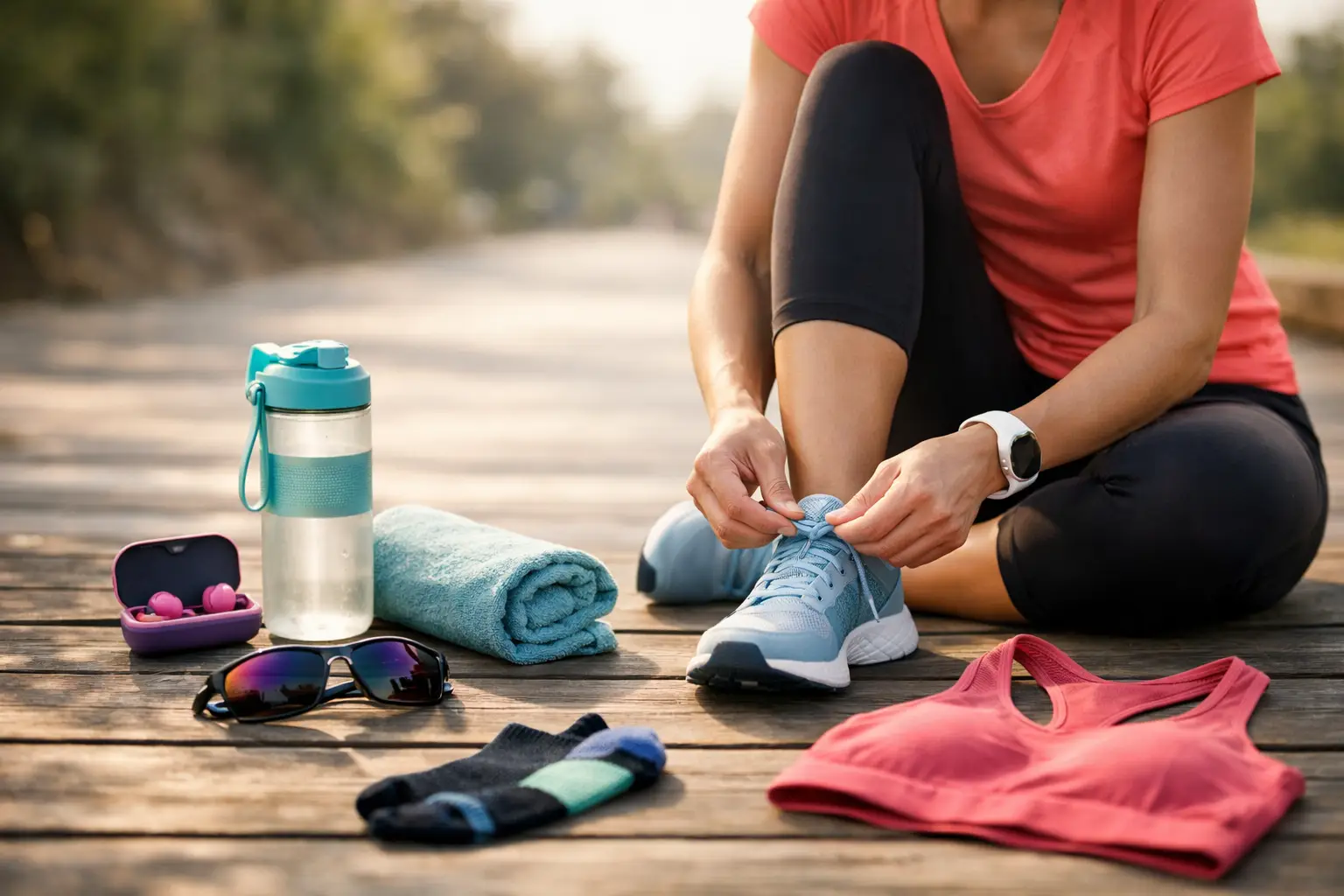
The run can feel perfect at kilometre two and painfully distracting by kilometre six. A waistband starts rubbing, a sports bra seam catches, socks creep down, or a hot spot forms under your heel. This women’s running comfort essentials guide is built around one simple aim: remove the small irritations that make you cut a run short or dread the next one.
Comfort is not a luxury reserved for race day. It is what lets you focus on your pace, the route ahead and the feeling of getting stronger. Whether you are starting a Couch to 5K plan, training for a half marathon or fitting in a steady lunchtime loop, a few practical choices can make every mile feel more like yours.
Start with the areas that move most
Running creates repeated movement. That is the point, but it also means fabric, footwear and skin meet thousands of times in one session. The areas most likely to need attention are individual, yet underarms, bra lines, inner thighs, waistbands, toes, heels and the arches of the feet are frequent trouble spots.
Do not wait until a long run to find out where friction affects you. Pay attention after shorter sessions too. A patch of redness, a tender toe or a sting in the shower is useful feedback. It tells you where your kit or preparation needs adjusting before the problem becomes a blister or broken skin.
Build a friction-prevention routine
A dedicated anti-chafe balm creates a protective barrier where skin, clothing or footwear repeatedly rub. Apply it before getting dressed or before putting on your socks, covering the areas that have caused trouble before. The stick format matters here: it is quick, clean and easy to keep in a running bag, gym locker or race-day kit.
There is no single application map for every runner. Some runners need it mainly on their inner thighs, while others rely on it around sports bra lines or across the heels and toes. Test your routine on ordinary training days, then use what works consistently. Runglide Anti Chafe Balm is designed as portable invisible armour against friction, helping you keep moving without petroleum, oils or animal testing.
If you already have raw, broken or infected skin, give it time to recover and seek medical advice when needed. Prevention works best before the rubbing begins.
Choose kit that earns its place
The best running kit is not always the most expensive kit. It is the kit you forget you are wearing. Fit, fabric and weather suitability are usually more valuable than a fashionable label.
A supportive sports bra is the starting point for many women. Look for a secure band, straps that do not dig in and fabric that moves moisture away from the skin. High-impact support is often useful for running, but support should not mean compression so tight that it restricts breathing or creates deep marks. If the bra has seams around your ribcage or underarms, test it on a short run before committing to a longer distance.
Running leggings or shorts should stay put without rolling, bunching or pinching. A waistband that feels fine while standing can become irritating after thirty minutes of movement. For thigh chafing, some runners prefer longer shorts or leggings that create a fabric barrier; others find that bare skin plus anti-chafe balm feels cooler and more comfortable. It depends on your stride, the temperature and the fabric.
Avoid cotton for hard or warm runs when possible. Once wet, it tends to hold moisture against the skin, increasing both rubbing and the chill that can follow. Lightweight technical fabrics are not magic, but they dry faster and generally reduce that clammy feeling.
Socks and shoes are a partnership
Blisters are rarely caused by shoes alone. Socks, sweat, foot shape, lacing and the distance you run all play a part. Choose running socks that fit closely, have minimal seams and do not slide inside the shoe. A slightly thicker sock can feel protective in one trainer and cramped in another, so judge the combination rather than either item in isolation.
Your running shoes need enough room in the toe box for your feet to swell a little during a run. Toes hitting the front, heel lift and pressure along the sides are all warning signs. Lacing can help too. If your heel slips, a heel-lock lacing method may reduce movement. If the top of your foot feels compressed, loosening the lower laces can provide relief.
Do not make major shoe changes immediately before a race, long event or holiday hike. New shoes may be right for you, but they still need gradual testing. Keep a proven pair for important days.
Dress for the weather you will actually meet
Comfort changes with the forecast. A mild start can become a warm finish, and rain can turn a comfortable sock into a rubbing risk. Check the full weather window, not only the temperature when you leave home.
In warm conditions, breathable layers and anti-chafe preparation become even more valuable because sweat adds moisture and salt to the friction equation. Choose shorts or leggings that do not trap heat, bring water for longer runs and change out of damp kit soon after finishing. A loose top may feel cooler, but if it flaps against your arms or torso, a more fitted technical layer could be the better option.
Cold weather brings a different challenge: too many layers can make you sweat heavily, while too few can leave you stiff and distracted. Start slightly cool rather than dressed for standing still. Gloves, a headband and a light outer layer can be more useful than one bulky item, because you can adjust as you warm up.
Rain does not have to cancel a run, but it calls for realistic expectations. Wet shoes increase the chance of blisters, especially over longer distances. Save your longest run for a drier day if you can, or shorten the route and change promptly afterwards. Consistency beats proving a point to the weather.
Fuel, hydration and bathroom planning count too
A run is less comfortable when you are under-fuelled, dehydrated or worrying about where the nearest toilet might be. These details are especially relevant before a long run, a race or a new route.
For easy runs under an hour, your usual meals and a drink beforehand may be enough. As distance and time increase, practise taking on water and carbohydrates during training. Do not experiment with a new gel, sports drink or pre-run meal on race day. Gut comfort is part of running comfort, and it deserves the same attention as your shoes.
Plan your route with confidence in mind. Know where toilets, water fountains, sheltered points or easy cut-short options are located. This is not overthinking. It removes a background worry and gives you more freedom to settle into the run.
The women’s running comfort essentials guide for race day
Race day is not the day for a new bra, fresh trainers, unfamiliar socks or a different breakfast. Lay out your kit the night before and use the same systems you have tested in training. That includes your anti-chafe balm, hydration plan and any fuel you know suits you.
Arrive with a warm layer you can remove, especially for early starts. If you are running during your period, pack the products you trust and choose bottoms that make you feel secure. Some runners experience a higher sense of fatigue, cramps or breast tenderness at certain points in their cycle; others feel no meaningful change. Adapt the goal if needed, but do not assume one difficult run defines your fitness.
A simple race-day check can prevent avoidable discomfort: trim nails, apply friction protection, check laces, secure your phone or keys, and make sure nothing in your pockets will bounce. The goal is not perfection. It is giving yourself the best chance to run without preventable distractions.
Know when comfort signals a bigger issue
Not every ache is a kit problem. Sharp pain, swelling, numbness, persistent pain that changes your stride, or a blister that looks infected needs proper attention. Pushing through can turn a short interruption into a longer lay-off.
There is strength in stopping, adjusting and returning sensibly. Rest days, mobility work, gradual mileage increases and recovery meals all support the same goal as good socks and friction protection: more comfortable running over the long term.
Your essentials will evolve with your distance, confidence and the seasons. Keep noticing what your body tells you, make small changes early and protect the places that work hardest. When comfort is handled, you are free to chase the part that matters: the next mile, on your terms.