

Blog
Blister Protection for Camino Walkers: What Works

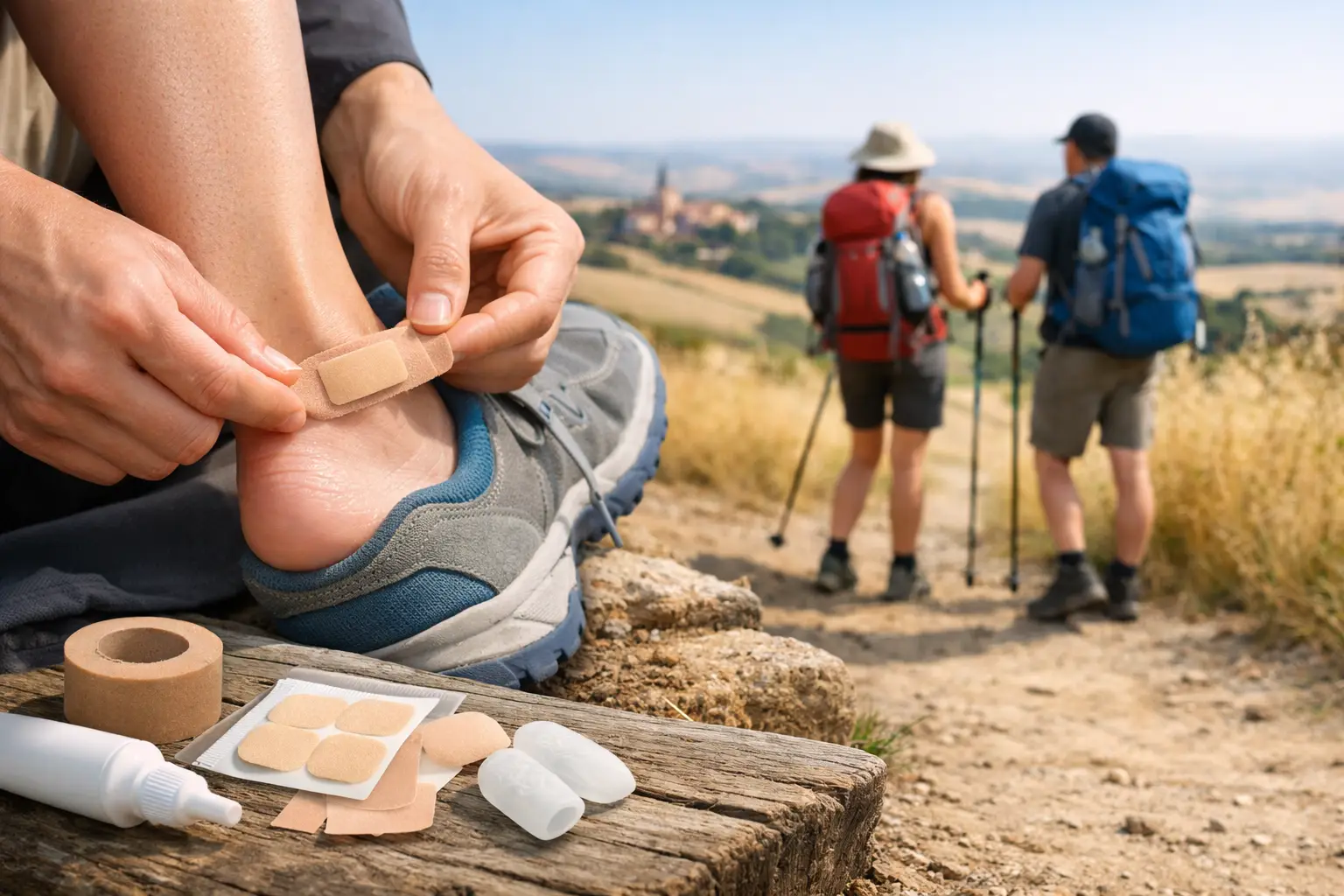
A Camino blister rarely begins with a dramatic moment. It starts as a warm patch under the ball of your foot, a toe rubbing slightly downhill, or a heel that feels fine until the final three kilometres. Effective blister protection for Camino walkers is about acting at that first hint of friction, not pushing through until every step hurts.
The Camino asks a lot of your feet. You may walk for hours on tarmac, gravel, forest tracks and uneven streets, then repeat it the next morning with feet that are already warm, tired and a little swollen. Your kit does not need to be complicated, but it does need to work together. The right shoes, socks, pacing and friction control can keep a small hot spot from becoming the reason you spend a day in a hostel instead of on the trail.
Why Camino feet blister
Blisters form when repeated rubbing separates layers of skin and fluid collects beneath the surface. Heat, moisture and pressure make that rubbing more likely. On a Camino route, the usual causes are footwear that moves too much, socks that bunch, wet feet, long descents and sudden increases in distance.
The frustrating part is that a shoe can feel comfortable at home and still cause trouble on day three. Feet often swell during long walks, especially in warm weather. A pack changes your posture and adds pressure. Rain, sweat or an enthusiastic foot soak can soften the skin. What worked for a ten-mile Sunday walk may need adjusting when you are walking day after day.
That is why prevention is not a single purchase. It is a practical routine: reduce friction, manage moisture and respond early.
Blister protection for Camino walkers starts with fit
Your walking shoes or boots should feel secure at the heel while leaving room at the front for toes to spread and move. Many walkers need more room than expected, particularly if they are buying footwear for a summer Camino or tackling long downhill sections. Your toes should not strike the end of the shoe on descents. If they do, black toenails and toe blisters can follow.
Do not start the Camino in brand-new footwear, even if it is marketed as ready to wear. Break it in gradually on walks with the socks and pack you intend to use. This is not about making shoes look worn. It is about finding pressure points before they become problems and allowing your feet to adapt.
Boots offer ankle support and protection on rougher terrain, but they can feel hot and heavy. Trail shoes are lighter and often dry faster, but they may provide less structure under a loaded pack. Neither is automatically the better Camino choice. Consider the route, season, the weight you are carrying and what your body is used to.
Lacing matters too. A firmer heel lock can reduce sliding at the back of the shoe, while easing tension across the forefoot may help when your feet swell. Make small changes rather than cranking every eyelet tight. Over-tightening can create pressure just as easily as loose shoes create rubbing.
Build a foot routine before you leave
Treat your feet like essential Camino equipment. In the weeks before departure, walk regularly and increase distance steadily. Include hills, mixed surfaces and consecutive walking days where possible. A long walk on fresh feet is useful; a second long walk on slightly tired feet is more revealing.
At home, notice exactly where you get rubbing. Common areas include heels, little toes, the side of the big toe, the ball of the foot and the arch. These are the places to protect before a long stage, especially if you have a history of blisters there.
Keep toenails trimmed straight and not too short. Rough edges can catch on socks or press against neighbouring toes. If you use insoles, train in them. A last-minute insole change can alter shoe volume and create a new friction point.
Choose socks for friction and moisture control
Socks deserve more attention than they usually get. They manage sweat, cushioning and the movement between your skin and footwear. A well-fitting technical walking sock made from merino blend or synthetic fibres is usually a better choice than a basic cotton sock, which can hold moisture and lose shape.
Some Camino walkers prefer thin liner socks under a second sock, because the layers move against each other rather than against the skin. Others find one well-made pair more comfortable and less bulky. Test both systems before your trip. The best option is the one that stays smooth on your foot and leaves enough room in your shoe.
Carry a dry pair in an easy-to-reach part of your pack. Changing socks halfway through a wet or hot stage can feel like a small reset, but it also reduces the damp conditions that encourage rubbing. When you stop, take off your shoes for a few minutes, let your feet air and check for red or tender patches.
Use anti-friction protection before the hot spot
A hot spot is your early warning system. If you feel heat, rubbing or a sharp recurring pinch, stop before it escalates. Continuing for another hour because the next café is close can turn a manageable patch into a painful blister.
Apply an anti-chafe balm to clean, dry skin in the areas that usually rub: heels, toes, the ball of the foot or anywhere your shoe creates repeated contact. The goal is to create a protective glide so skin is less likely to catch and pull with every step. Reapply when needed, particularly after heavy rain, a very sweaty day or a long stop where you have changed socks.
Runglide RG Anti Chafe Balm is a compact option for a Camino wash bag or hip belt pocket, giving walkers a simple layer of invisible armour before a long stage. It is most useful when it becomes part of your morning routine rather than something you reach for only after discomfort begins.
If one small spot keeps rubbing despite balm and sock changes, add protection such as suitable tape or a blister dressing. Make sure the skin is clean and dry first, and smooth the edges carefully. A bunched dressing can create a new point of pressure.
Pace the first days with your feet in mind
The Camino is not won on day one. A common mistake is starting with ambitious mileage because you feel strong, the weather is good and everyone around you appears to be moving quickly. Your muscles may cope, but your skin needs time to adapt to repeated hours of walking.
Build in shorter days early if your itinerary allows. Take brief breaks before your feet are sore, not only when you are exhausted. On long descents, shorten your stride and make sure your laces keep your heel from sliding forwards. If your feet are swelling, loosen the forefoot slightly during a stop rather than waiting until the shoe feels restrictive.
Hydration also matters. Hot, tired feet sweat more, and damp skin is more vulnerable to friction. Drink regularly, choose breathable footwear where appropriate and do not stay in wet socks longer than necessary.
What to do when you feel rubbing on the trail
The best response is deliberately unglamorous: stop, sit down and investigate. Remove the shoe and sock, dry the area, and look for grit, a sock crease, worn fabric or a lace pressure point. Then apply anti-friction protection or a dressing before walking on.
If a blister has already formed, protect it from further friction and keep the area clean. Avoid casually bursting it, especially if the skin roof is intact, as it provides a natural barrier. If it is large, very painful, shows spreading redness, warmth, pus or you feel unwell, seek advice from a pharmacist or medical professional. There is no prize for ignoring an infection on pilgrimage.
At the end of each stage, wash and dry your feet thoroughly, including between the toes. Let them breathe, elevate them if they are swollen and put on loose footwear around the albergue or town. Tomorrow’s comfort is often decided by tonight’s recovery.
The Camino gives you enough to think about: route arrows, weather, a good coffee at the next stop and the people you meet along the way. Give your feet a few focused minutes each morning and at the first sign of rubbing. That small habit can keep you moving freely, one meaningful step at a time.