

Blog
Best Anti Blister Balm for Active Days

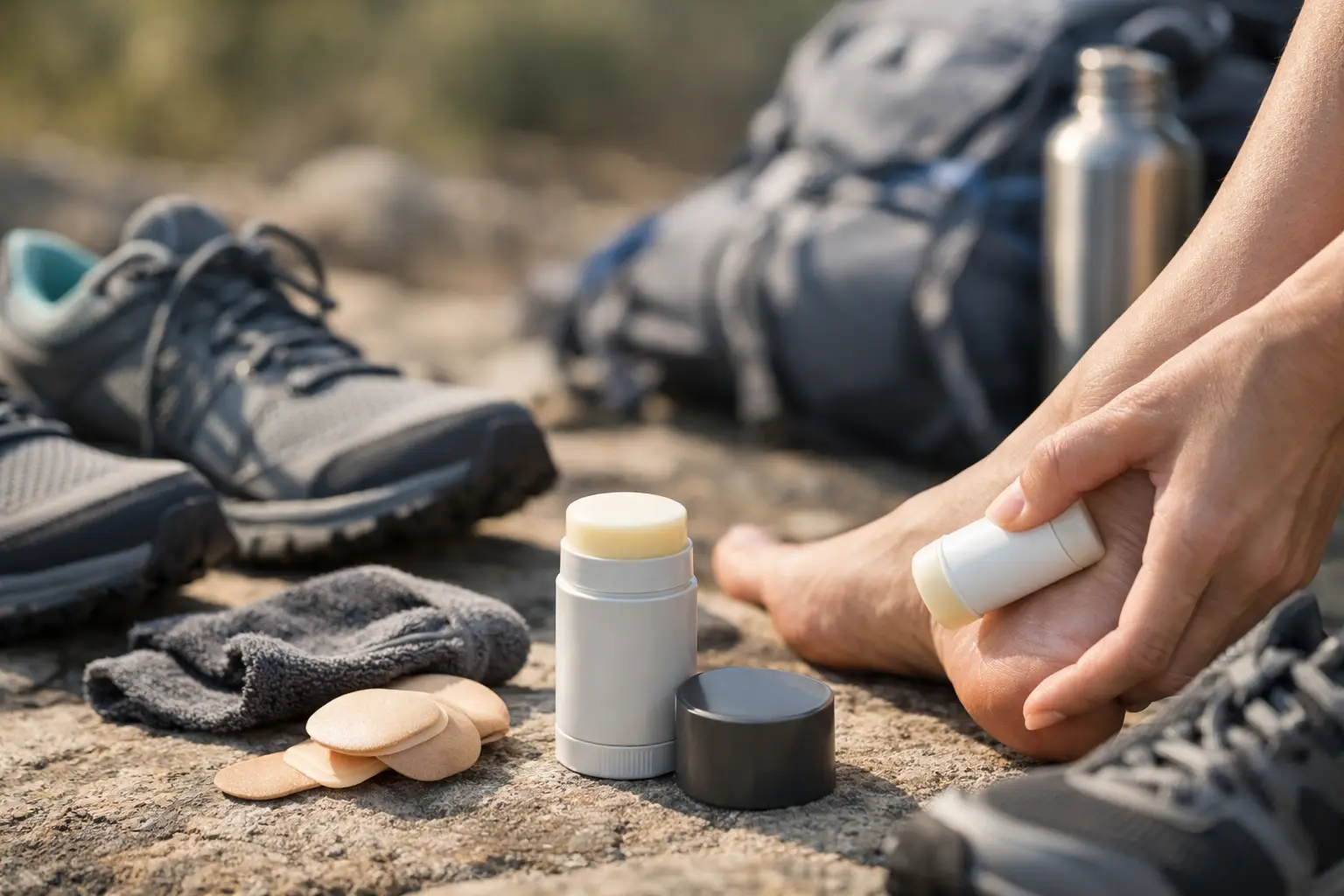
You usually notice a blister too late – halfway through a run, ten miles into a hike, or just when a good training week starts to feel strong. That is why finding the best anti blister balm matters. The right balm does not just soothe skin after the damage is done. It helps stop friction building in the first place, so your feet stay comfortable, your pace stays steady, and your day keeps moving.
Blisters are simple, but frustrating. Skin rubs against sock, shoe, strap, or skin. Heat builds. Moisture gets involved. The top layer of skin starts to separate. Suddenly every step feels louder than it should. If you are active regularly, prevention is not a luxury. It is part of staying consistent.
What makes the best anti blister balm actually work
The best anti blister balm creates a protective glide on the skin without turning your feet greasy or unstable inside the shoe. That balance matters. Too little slip and the rubbing continues. Too much residue and your foot may move more than it should, creating a different kind of friction.
A strong balm sits comfortably between those extremes. It reduces drag on hot spots such as heels, toes, arches and the sides of the forefoot. It stays put during movement. It feels light, not messy. Most importantly, it supports performance rather than forcing you to think about your skin every few miles.
Texture plays a bigger role than many people expect. A balm that goes on evenly from a stick is usually easier to control than a loose cream or oily gel. You can target the exact area, apply it quickly, and get on with the rest of your routine. For runners, hikers and cyclists, that matters. No one wants an extra complicated step before an early start.
Ingredients matter too, but less in a beauty-marketing sense and more in a practical one. If you have sensitive skin, heavily fragranced formulas can be a gamble. Some people also prefer to avoid petroleum-heavy products or anything that feels heavy in warm weather. A cleaner-feeling balm with skin-friendly ingredients often works better for repeated, everyday use.
Best anti blister balm vs powders, plasters and tape
There is no single solution that works for every foot, every shoe and every distance. Still, balm often wins on simplicity.
Powders can help with moisture, but they do not always reduce friction well enough on their own. They may also wear off quickly, especially in wet or humid conditions. Plasters and blister patches are useful once a hotspot has already appeared, but they are usually reactive rather than preventative. Tape can be excellent for some athletes, particularly over known problem spots, yet it takes more time, more precision, and sometimes more trial and error than people want before a normal run or walk.
A good anti blister balm fits into real life more easily. Swipe it on, pull on your socks, and go. That is a big reason active people keep coming back to it. It asks very little from you, but can save you a lot of discomfort later.
That said, there are situations where a combined approach works best. On a long-distance event, for example, balm on general friction zones and tape on one repeat trouble spot can make sense. If your shoes are slightly loose at the heel, a balm may help, but fit is still the first thing to fix. No product can fully compensate for footwear that is wrong for your foot.
How to choose the best anti blister balm for your routine
Start with when and where your blisters happen. If they show up during runs, look for a balm that stays effective through sweat and repetitive impact. If hiking is your issue, durability becomes even more important because friction builds over hours, not minutes. If your feet suffer during city breaks, commuting or warm-weather walking, portability and easy reapplication may matter most.
Then think about feel. Some people want a balm that is almost invisible once applied. Others prefer a more noticeable layer on high-friction areas. Neither is automatically better. It depends on your skin, your shoes and how long you are moving.
Packaging counts more than it gets credit for. Stick balms are practical, clean and easy to keep in a gym bag, rucksack or travel pouch. You are more likely to use a product consistently if it is quick to apply and does not leave your hands messy afterwards.
Finally, check whether the balm is designed with movement in mind rather than general skincare. That distinction matters. A moisturising product may feel pleasant, but that does not mean it is built to handle repetitive friction under pressure. The best anti blister balm is focused on one job – reducing rubbing before skin starts to break down.
Where to apply anti blister balm for the best result
Most people under-apply or apply too late. If you already know your hotspots, use the balm before activity, not after the first signs of rubbing.
For feet, common zones include the back of the heel, around the Achilles, the sides of the big and little toe, under the arch, and the ball of the foot. If you wear sandals, walking shoes or stiff boots, straps and edges can create extra friction points that deserve attention as well.
The layer should be even, not excessive. You are aiming for reduced friction, not a slippery foot. Let your socks and shoes work with the balm, not against it. On longer efforts, reapplication can help, especially if conditions are hot, wet or unusually demanding.
And remember that blisters are not limited to feet. Inner thighs, underarms, bra lines and waistbands can all suffer from repeated rubbing. Many active people get better results from one reliable friction balm that can handle multiple zones rather than different products for different problems.
Signs a balm is not right for you
If your skin feels irritated after application, the formula may not suit you. If your feet feel too slick inside the shoe, the product may be too greasy for your setup. If it disappears within a short session, it may simply not have the staying power you need.
Another warning sign is when you keep blaming your skin but the real issue is gear. Worn-out socks, poor shoe fit, rough seams and damp footwear can all create friction that no balm can completely overcome. Prevention works best when your whole system supports it.
This is also where honest expectations matter. A balm can dramatically reduce the chance of blisters, but it is not magic. An ultra-marathon in soaked socks is a different challenge from a dry 5K round the park. The best product is the one that performs reliably in your world, not the one with the loudest label.
Why consistency beats emergency treatment
The real value of a blister balm is not only comfort on one outing. It is consistency over time. When your feet are not battered, it is easier to keep training, keep walking, keep exploring and keep showing up. Small friction problems have a way of growing into missed sessions, changed plans and unnecessary faff.
That is why a targeted balm earns its place so quickly. It becomes part of your pre-run kit, your hiking routine, your race-day prep, or your holiday packing list. Not glamorous, maybe. But highly effective.
For active people, that is the point. You do not need another product that promises everything. You need one that solves a real problem, travels well, applies fast and helps your skin cope with the miles ahead. A focused friction balm such as Runglide fits that brief because it is designed for movement first, not as an afterthought.
If you are looking for the best anti blister balm, choose one that matches how you actually move. Prioritise friction reduction, a clean feel, easy application and dependable wear. Your feet do a lot for you. Giving them a little invisible armour before the rub starts is a smart move that pays you back with every step.