

Blog
Why Choose a Petroleum Free Anti Chafe Stick?

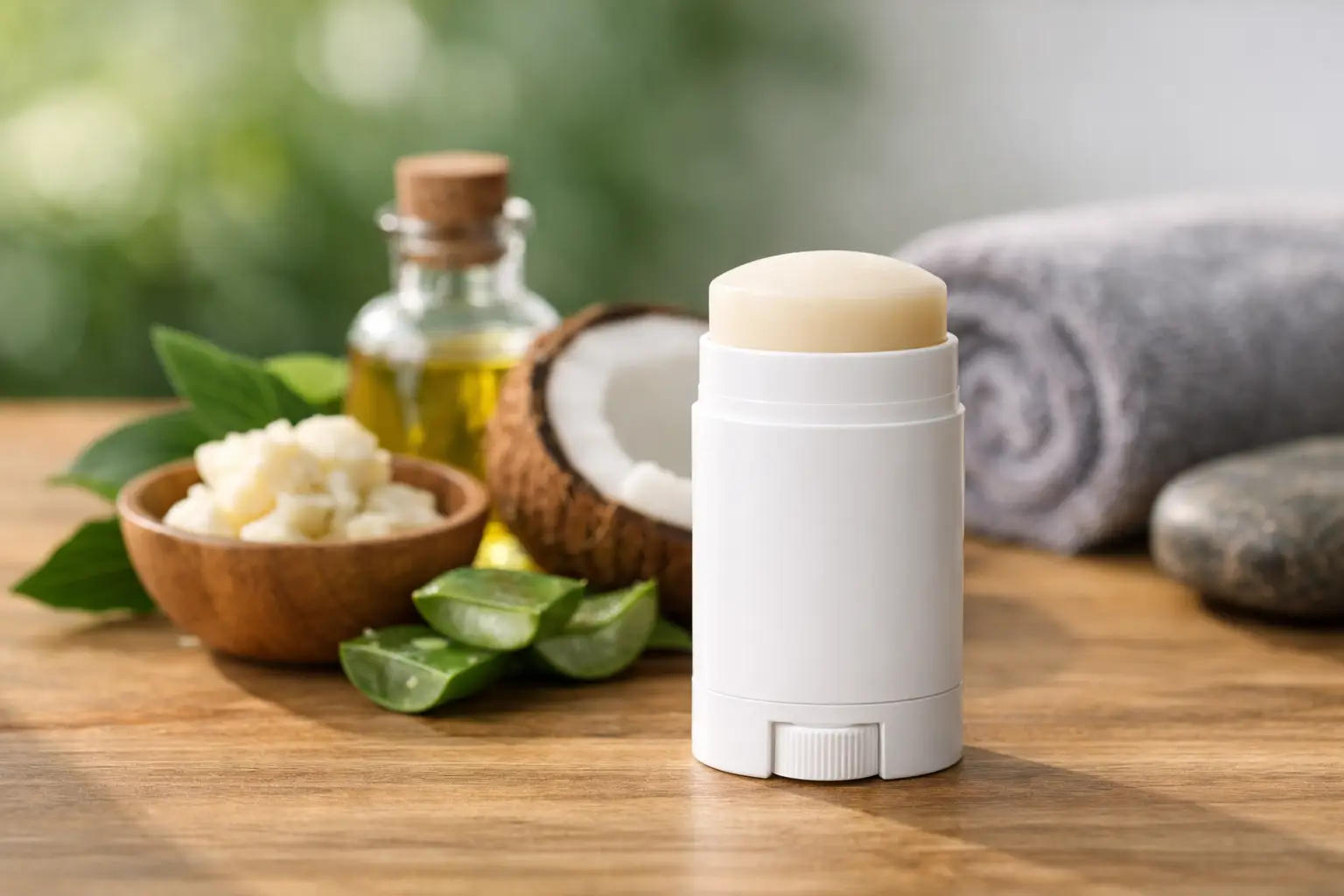
You do not usually think about chafing at the start of a run, a long walk, or a day in the heat. You think about pace, distance, weather, or simply getting out the door. Then friction shows up and changes the whole experience. A petroleum free anti chafe stick is designed to stop that problem before it starts, so your focus stays on movement rather than irritated skin.
For active people, that shift matters. Chafing is not just a minor annoyance. It can shorten training sessions, make recovery more uncomfortable, and turn everyday movement into something you try to avoid. The right anti-chafe product earns its place in your kit because it keeps you moving freely, whether you are heading out for a 5K, climbing hills all day, cycling in warm weather, or walking to work in shorts.
What a petroleum free anti chafe stick actually does
At its core, an anti-chafe stick creates a protective barrier on the skin. That barrier helps reduce the rubbing that happens when skin meets skin, or when skin meets clothing, shoes, sports bras, seams, or packs. Less friction means less heat, less irritation, and less chance of raw, painful patches.
A stick format makes that protection easy to apply where you need it most. Common areas include inner thighs, underarms, chest, bra line, feet, groin, lower back, and anywhere straps or fabric tend to rub. Because it is targeted, you are not covering large areas unnecessarily. You are solving a specific problem with a quick, practical step.
The petroleum free part matters because many active people now want performance without that heavy, greasy feel often associated with petroleum-based products. They want something that glides on cleanly, feels comfortable during wear, and fits better with a more ingredient-conscious routine.
Why many people prefer a petroleum free anti chafe stick
The biggest reason is feel. A petroleum free anti chafe stick often feels lighter and cleaner on the skin. That can make a real difference if you are applying it before a hot run, a long gym session, or a day spent walking in summer clothes. When a product feels less sticky or oily, people are more likely to use it consistently, and consistency is what prevents friction from building into a problem.
There is also the question of what you want near your skin day after day. Some shoppers actively avoid petroleum in personal care because they prefer products built around other types of waxes and skin-friendly ingredients. That choice is personal, but it is a meaningful one. If your anti-chafe balm is something you use several times a week, or even every day in warmer months, the formula becomes part of your routine rather than an occasional fix.
A petroleum free formula can also appeal to people who want a product that fits their wider lifestyle choices, especially if they are already paying attention to cruelty-free standards or simpler body care. Performance still has to come first. No one wants a product that sounds good on paper but fails halfway through a run. But when comfort, wearability and ingredient preferences come together, you get a product people reach for without hesitation.
Petroleum free anti chafe stick for sport and everyday life
One of the biggest myths about anti-chafe products is that they are only for endurance athletes. In reality, friction affects almost anyone who moves. Runners and cyclists may face repeat rubbing over longer distances, but plenty of everyday situations cause the same problem. Warm-weather commutes, travel days, hiking holidays, gym sessions, and even a simple afternoon in a dress or shorts can all trigger irritation.
That is why a good anti-chafe stick works best as an everyday essential, not a niche extra. It should be portable enough to throw in a gym bag, backpack or handbag. It should be quick to apply before training and easy to reapply if needed. Most importantly, it should let you carry on with your day without constantly thinking about the spot that might start stinging later.
For feet, the benefit is often about blister prevention as much as chafing. Repeated rubbing inside shoes can ruin an otherwise solid session. For thighs and underarms, the goal is usually to stop skin from becoming hot, red and tender over time. For chest and bra lines, especially during running or high-impact training, reducing friction can make the difference between finishing strong and counting down the minutes until you can stop.
What to look for before you buy
Not every anti-chafe product performs the same way, and not every formula suits every routine. The first thing to consider is how and where you need it. If you are using it for long-distance running or hiking, durability matters. You want something that can hold up through sweat, repetition and hours of movement. If your main concern is everyday thigh rub or irritation from clothing, a lighter feel and easy daily wear may matter more.
Texture is another key factor. Some products feel slick at first but disappear too quickly. Others last well but feel too heavy. The best balance depends on your activity, your skin, and how often you are happy to reapply. There is no single perfect formula for every body and every use case, which is why honest testing matters.
You should also pay attention to whether the product applies cleanly and comfortably. A stick should glide on without dragging at the skin. It should not leave you feeling coated in something messy before you even begin moving. If a product transfers heavily onto clothing, that may be a drawback for daily use, even if it performs well in other ways.
How to use it for better results
Application is simple, but timing makes a difference. Use your anti-chafe stick before friction starts, not after skin is already irritated. Once the area is raw, prevention turns into damage control, and even the best balm cannot undo discomfort instantly.
Apply it directly to clean, dry skin anywhere you know rubbing tends to happen. Be generous enough to create a proper layer, especially in high-friction zones such as inner thighs, heels or under sportswear seams. If you are heading out for a longer effort, think ahead. A short easy run and a half marathon do not place the same demands on your skin or your product.
Reapplication depends on the session. For many daily activities, one application may be enough. For longer distances, high heat, or all-day wear, it can make sense to top up. That is where a portable stick earns its place. It is easy, fast and does not interrupt your momentum.
The trade-offs are real, and that is fine
Choosing a petroleum free anti chafe stick does not mean every formula will feel identical or perform in exactly the same conditions. Some may prioritise a cleaner skin feel, while others may focus on longer wear. Some users want the lightest possible finish for daily comfort. Others are happy with a slightly heavier layer if it means stronger protection over endurance sessions.
It also depends on your skin sensitivity, the climate, the type of clothing you wear, and how much friction your activity creates. A runner in humid conditions may need something different from someone using anti-chafe protection for office-to-gym commutes. That is not a flaw in the category. It is simply the reality that friction is personal.
What matters most is choosing a product you will actually use. The best anti-chafe solution is the one that fits your routine, feels good enough to apply every time, and keeps up when your day gets longer, hotter or harder.
For active people, comfort is not a luxury. It is part of performance. A product like Runglide makes sense when it removes one more barrier between you and the miles, reps, hikes or everyday movement you want to enjoy. When your skin is protected, you waste less energy managing discomfort and more energy doing what you came to do.
A petroleum free anti chafe stick will not make your legs fresher at mile ten or flatten the steep bit of your walk, but it can stop friction from becoming the reason you cut things short. That is a small product doing an important job. Stay ready, apply before you need it, and give your skin the same support you expect from the rest of your gear.