

Blog
How to Apply Anti Chafe Balm for Lasting Comfort

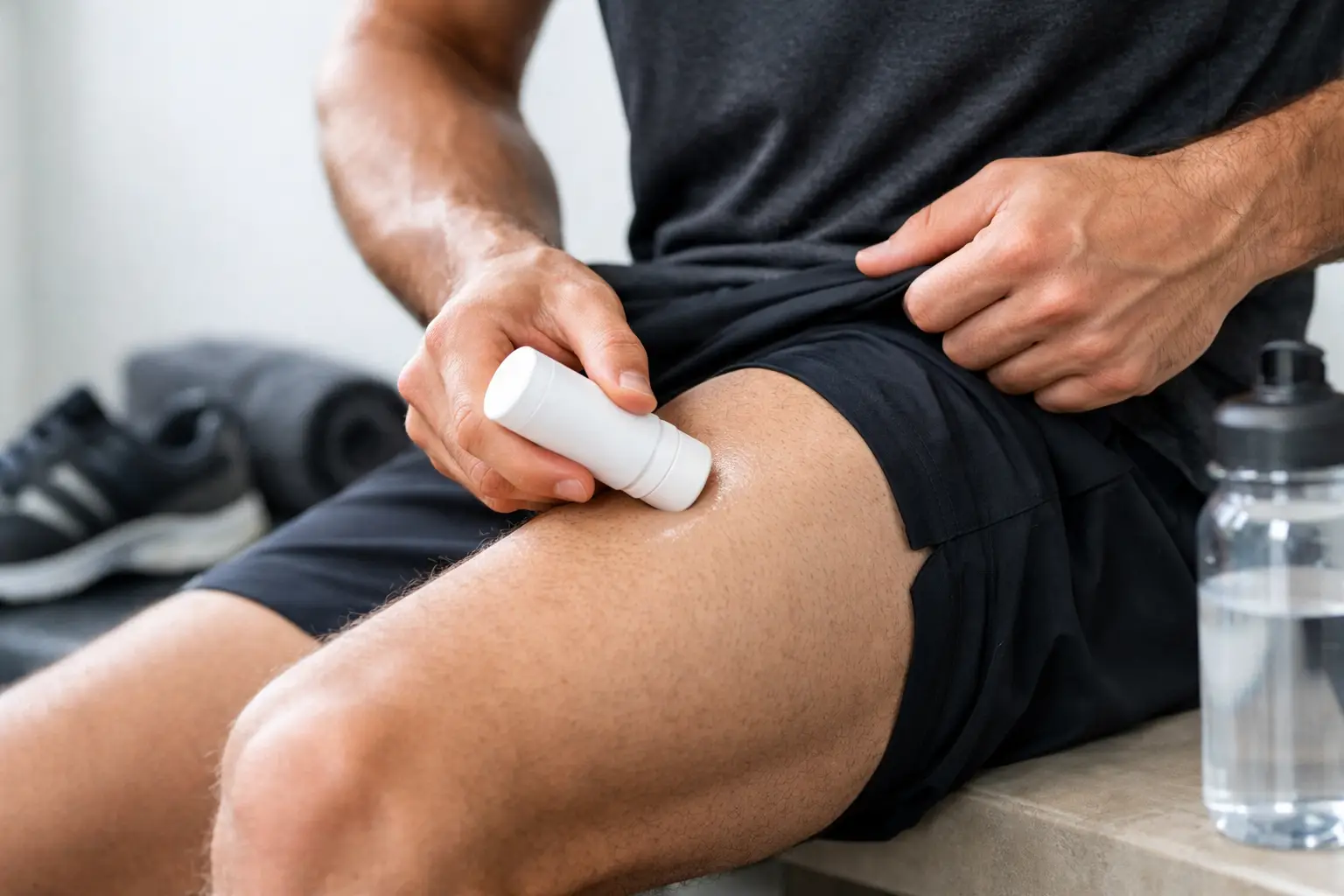
A run can feel brilliant until the first hot spot starts to sting. The same goes for a long ride, a summer walk, a gym session or simply wearing shorts on a busy day. Knowing how to apply anti chafe balm properly gives your skin a dependable layer of protection before friction gets the chance to interrupt your plans.
Anti-chafe balm works best as prevention, not emergency repair. Think of it as invisible armour between skin, clothing, shoes and gear. A quick application before you move can help reduce rubbing, irritation and the kind of blisters that make every step feel longer than it should.
How to apply anti chafe balm before activity
Start with clean, dry skin. Sweat, water and leftover moisturiser can make it harder for the balm to sit evenly on the area, particularly if you are preparing for a long session. You do not need a complicated routine – dry off after a shower or wipe down after changing, then apply.
Twist up the balm and glide it directly over the skin where rubbing is likely. Use a few steady swipes rather than pressing hard or applying one thick clump. The aim is an even, light coating that covers the full contact zone. You should be able to feel a smooth barrier, but the area should not feel sticky or overloaded.
For skin-to-skin friction, cover both sides of the contact point. If your inner thighs rub, for example, apply balm to the inner thigh area on each leg rather than treating only one side. If a sports bra band irritates your skin, apply along the line where the band sits, not just on the spot that was sore last time.
Give yourself a minute to get dressed after application. This lets the balm settle and helps you spot any areas you have missed. Then move freely – the preparation is done.
Where anti-chafe balm makes the biggest difference
Every body and activity has its own friction points. The best place to apply anti-chafe balm is wherever repeated rubbing, pressure or heat tends to build. Past discomfort is useful information: if an area has chafed or blistered before, protect it before your next session.
For runners, common areas include the inner thighs, underarms, bra line, waistband, lower back and feet. Long-distance runners may also apply balm around the toes, heel, arch and sides of the foot, especially when new socks, wet conditions or increased mileage are involved.
Cyclists often need protection at the inner thighs, groin crease, waistband and any point where clothing or saddle contact causes persistent rubbing. Hikers and trekkers usually focus on heels, toes, ankles and the area where a pack, bra straps or waist belt meets the skin. Gym-goers may benefit from applying it under sportswear seams, between the thighs or anywhere equipment repeatedly contacts bare skin.
Everyday comfort counts too. Apply it before a warm commute, a festival, travelling, walking in a dress or breaking in new shoes. Friction does not care whether you are chasing a race time or just getting through a full day on your feet.
How much balm should you use?
More is not automatically better. A few passes of the stick across each high-friction area will usually do the job. Use enough to leave a continuous barrier across the area that moves or rubs, then add a little more around the edges if the contact zone is wide.
For feet, be precise. Apply to the exact places where your shoe or sock causes pressure: the back of the heel, between toes, the ball of the foot or along the arch. Covering the whole foot is rarely necessary and may feel uncomfortable in close-fitting footwear.
For thighs, underarms and bra lines, use broader strokes. These areas move over a larger surface, so a narrow strip may leave exposed skin at the edge of the rubbing pattern. If you are unsure, wear your usual kit and notice where seams, elastic and fabric sit while you bend, walk or jog in place.
Apply it before you sweat, not after you chafe
The best time to use anti-chafe balm is immediately before activity. Once skin is already raw, broken or burning, rubbing balm over it can be uncomfortable and is not the point of a friction-prevention product. Give irritated skin time to recover, keep it clean and avoid further rubbing until it feels settled.
If you are heading out for several hours, carry your stick with you. Reapplication can be worthwhile during an ultra, long hike, all-day ride, humid event or any session where clothing becomes soaked with sweat or rain. There is no universal schedule, because skin sensitivity, weather, pace, clothing and duration all matter.
As a practical rule, reapply when you change clothing, dry off, notice the barrier has worn away or feel the first hint of warmth in a known trouble spot. Do not wait for a painful rub. Early action is easier than trying to push through discomfort.
Pair your balm with the right kit
Anti-chafe balm can make a major difference, but it works alongside – not instead of – clothing and footwear that fit. A seam that constantly digs in, a shoe that slides at the heel or shorts that bunch up will create more friction than any product should be expected to handle.
Choose technical fabrics that suit your activity, socks that stay in place and footwear with enough room for your feet to expand. Test new gear on shorter sessions before race day or a long hike. If you are trying a new pair of shoes, new shorts and a different sock at once, it becomes difficult to work out what caused a hot spot.
It also helps to keep skin dry where possible. Change out of wet clothing after training, let shoes air properly and avoid repeatedly wearing gear that has stiff, salt-heavy fabric from old sweat. Balm creates a protective glide, while sensible kit choices reduce the friction load in the first place.
Common mistakes that leave skin unprotected
The most common mistake is applying balm only after discomfort begins. Prevention needs to happen before the first mile, climb or commute. Another is treating too small an area. Friction shifts as you move, so protect the whole zone rather than a single pinpoint.
People also forget that conditions change. A route that causes no issues in cool weather may feel very different on a humid day. Extra layers, wet weather, a heavier pack or more time on your feet may call for wider application or a top-up later.
Finally, avoid using anti-chafe balm on broken, infected or severely irritated skin. If chafing is persistent, unusually painful or does not improve after removing the source of friction, seek advice from a healthcare professional. A good training routine includes paying attention to what your skin is telling you.
Make it part of your pre-move routine
The easiest way to remember balm is to keep it where your routine starts: beside your trainers, in your gym bag, with your cycling kit or near the front door. Apply it after you get dressed or just before, depending on the area you need to reach. Within a few outings, it becomes as automatic as filling a water bottle or checking the weather.
Runglide RG Anti Chafe Balm is designed for exactly that kind of simple preparation: a portable, targeted layer of protection that helps you stay focused on the movement ahead, not the discomfort building underneath your kit.
Your body is built to move. Protect the places where friction tries to hold you back, then put your attention where it belongs – on the next step, the next mile and the satisfaction of finishing comfortably.