

Blog
Foot Blister Prevention for Walking That Works

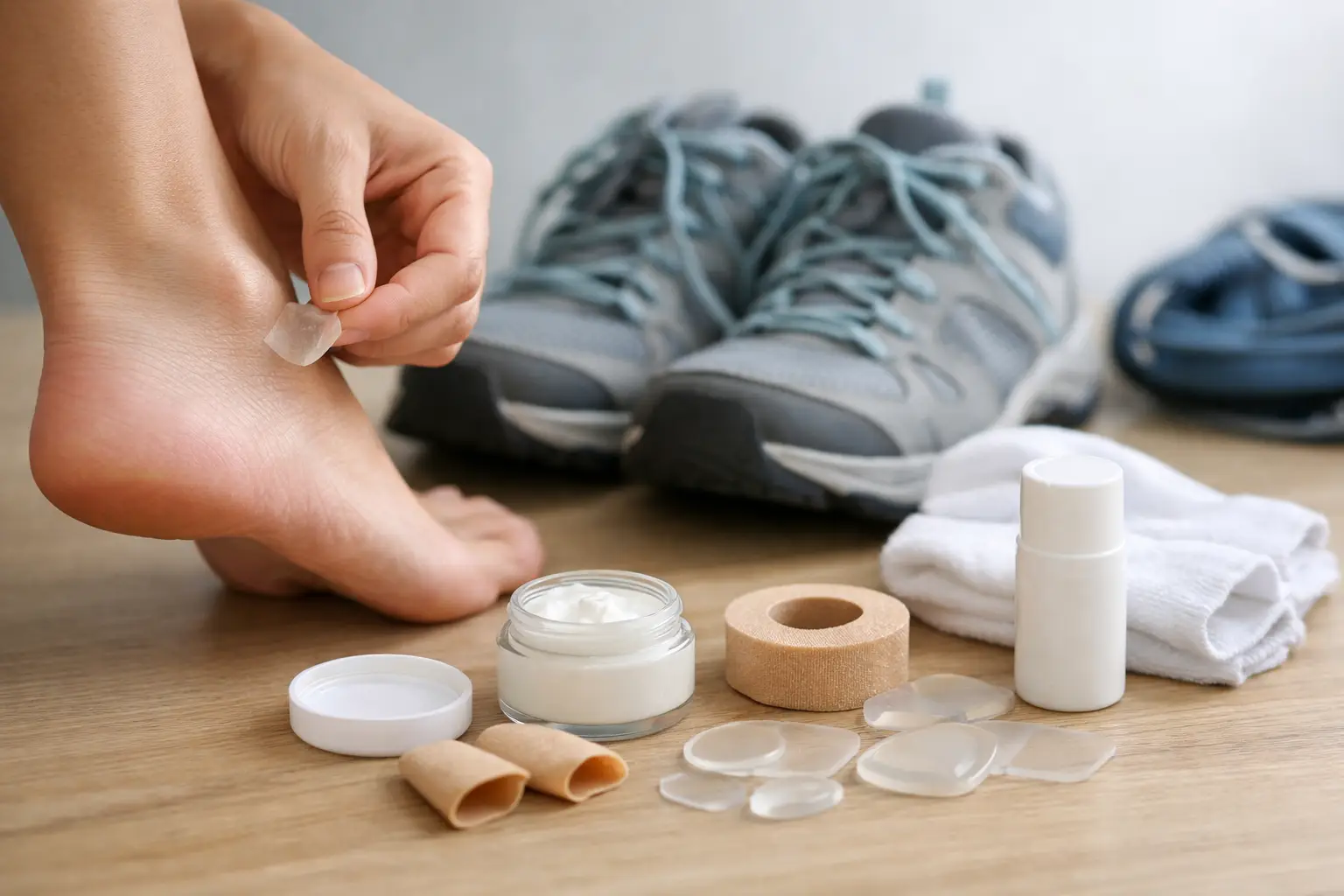
A walk can fall apart fast once you feel that first hot spot. One mile in, everything still feels easy. Two miles later, your heel is rubbing, your stride changes, and suddenly the outing you were looking forward to becomes a countdown to getting your shoes off. That is why foot blister prevention for walking matters so much. It is not about being precious. It is about staying comfortable enough to keep moving.
Why blisters happen when you walk
Blisters do not appear out of nowhere. They are the result of repeated friction, usually made worse by heat and moisture. When your skin rubs against a sock or shoe over and over, the upper layers start to separate. Fluid builds up, and that familiar bubble forms.
Walking seems low impact, but it creates thousands of small repeated movements. A slightly loose heel, a sock seam in the wrong place, or damp skin on a warm day can be enough. Long walks, hill routes, new shoes, and faster paces all raise the risk because they increase either pressure or repetition.
The key point is simple: blisters are usually a friction problem before they become a skin problem. If you reduce rubbing early, you stop the chain reaction before it starts.
Foot blister prevention for walking starts before you leave
The best prevention happens before your first step. Once you are already feeling rubbing, you are managing damage rather than avoiding it.
Shoe fit comes first. Shoes that are too tight create pressure points, especially around the toes and sides of the forefoot. Shoes that are too loose let the foot slide, which often leads to heel blisters. A good walking shoe should feel secure through the midfoot, allow your toes room to spread naturally, and hold the heel without pinching. If your feet swell on longer walks, which many do, a fit that seems perfect in the morning can feel cramped later.
Socks matter just as much. Cotton tends to hold moisture, and damp fabric increases friction. Technical walking socks that move sweat away from the skin are usually a better choice. Some walkers prefer thinner socks for a closer fit, while others need more cushioning. Neither is automatically better. It depends on your shoe fit, your sweat level, and where you usually rub.
Toenails are easy to overlook, but if they are too long they can press into the front of the shoe, especially on descents. That can lead to both friction and bruising. Keeping nails trimmed and smooth removes one more source of trouble.
The friction-control layer most walkers miss
A lot of people focus only on shoes and socks, then wonder why they still get blisters in the same place every time. If you are repeatedly getting hotspots on the heel, ball of the foot, or between the toes, adding a friction barrier can make a real difference.
An anti-blister balm helps skin glide rather than catch. That matters because friction is what turns a normal walk into a painful one. A good balm should go on cleanly, stay put while you move, and not leave your feet feeling greasy inside the shoe. This is where a targeted product earns its place in your kit. You are not guessing or hoping your socks can do all the work. You are actively reducing rubbing where it starts.
This is especially useful for longer walks, warm weather, travel days with lots of time on your feet, and any route where you know your usual problem spots. Applying a balm before you walk is far easier than trying to rescue a heel that has already started to burn.
Where to apply protection
Not every foot blisters in the same place, so prevention should be specific. For many walkers, the heel is the obvious problem area because it lifts slightly with each step. Others struggle more under the ball of the foot, especially if they walk briskly or spend time on hard pavements.
Toes can also be trouble spots, particularly if they rub together or if the shoe toe box is narrow. On longer routes, the arch edge and the sides of the forefoot can become irritated too. If you already know your weak points, trust that pattern. Your feet are usually consistent.
Apply protection before the walk, not halfway through when the skin is already irritated. Think of it as part of getting ready, like tying your laces or filling your water bottle.
Small fit changes can stop big problems
If you keep getting blisters in the same spot, the answer may be less about toughness and more about adjustment. A heel that slips can sometimes be fixed with a different lacing pattern. A cramped forefoot may need a wider fit rather than a larger size. That is an important distinction, because simply sizing up can create more movement and more friction.
Insoles can also change how your foot sits in the shoe. Sometimes that helps by improving stability. Sometimes it creates new rubbing along the heel collar or under the arch. If you have recently changed insoles and developed a blister you never used to get, that is worth investigating.
There is always a trade-off. More cushioning may feel better underfoot, but it can also reduce space inside the shoe. Thicker socks can protect one area while making another tighter. Prevention works best when the whole setup works together.
Foot blister prevention for walking in warm and wet conditions
Heat, sweat, and moisture are where minor rubbing becomes a real problem. In dry, cool conditions, your usual setup may be fine. Add a humid day, a coastal walk, or a rainy route, and suddenly your feet are sliding around inside damp socks.
This is where moisture management becomes critical. Wear socks designed to dry quickly and, for longer walks, consider carrying a spare pair. If your feet are soaked, changing into dry socks can reset things before hotspots turn into blisters.
Warm weather also tends to increase swelling. Shoes that feel just right for a short stroll may feel tight after an hour in the sun. If summer is when your feet suffer most, do not ignore that pattern. Seasonal changes often call for a slightly different sock choice, more targeted friction protection, or a shoe with a bit more room.
What to do the moment you feel a hotspot
A hotspot is your warning sign. Ignore it and you are gambling. Act early and you can often prevent a full blister.
As soon as you notice that familiar sting or rub, stop if you can. Check for grit in the shoe, bunched fabric, or a loosened lace. If the skin is still intact, reapplying a friction barrier or adjusting your sock can be enough. Waiting until the pain becomes sharp usually means the damage is already done.
This is why experienced walkers carry a few small essentials even on short routes. Not because they expect problems, but because staying moving is easier when you deal with friction immediately.
Building a routine that actually lasts
The most effective blister prevention routine is the one you will repeat. It does not need to be complicated. In fact, simpler is usually better.
Start with shoes that fit your real walking conditions, not just a quick try-on indoors. Pair them with socks that manage moisture well. Apply anti-friction protection to your known hot spots before longer walks or warm-weather outings. Then pay attention to early warning signs instead of trying to power through them.
That routine works for regular fitness walks, weekend hikes, city breaks, commuting on foot, and long travel days. The context changes, but the principle stays the same: less friction means less interruption.
If you are training for distance, consistency matters even more. A blister does not just ruin one walk. It can alter your gait, irritate other areas, and affect the next few sessions too. Prevention protects momentum, which is often the difference between a stop-start routine and real progress.
Runglide fits naturally into that kind of routine because it is built for one job: helping skin handle movement with less friction and less fuss.
The goal is not tougher feet. It is freer movement.
Some people talk about blisters as if they are just part of walking more. They are not. There will always be variables you cannot control perfectly, especially with weather, terrain, or a long day on your feet. But most blisters are preventable when you take friction seriously early enough.
Better walking is not only about pace, distance, or step count. It is also about comfort that lasts. When your feet are protected, you move more naturally, stay out longer, and finish stronger. That is a better way to walk, whether you are heading round the block or chasing a full day outdoors.