

Blog
Friction Balm Testing for Runs, Rides and Hikes

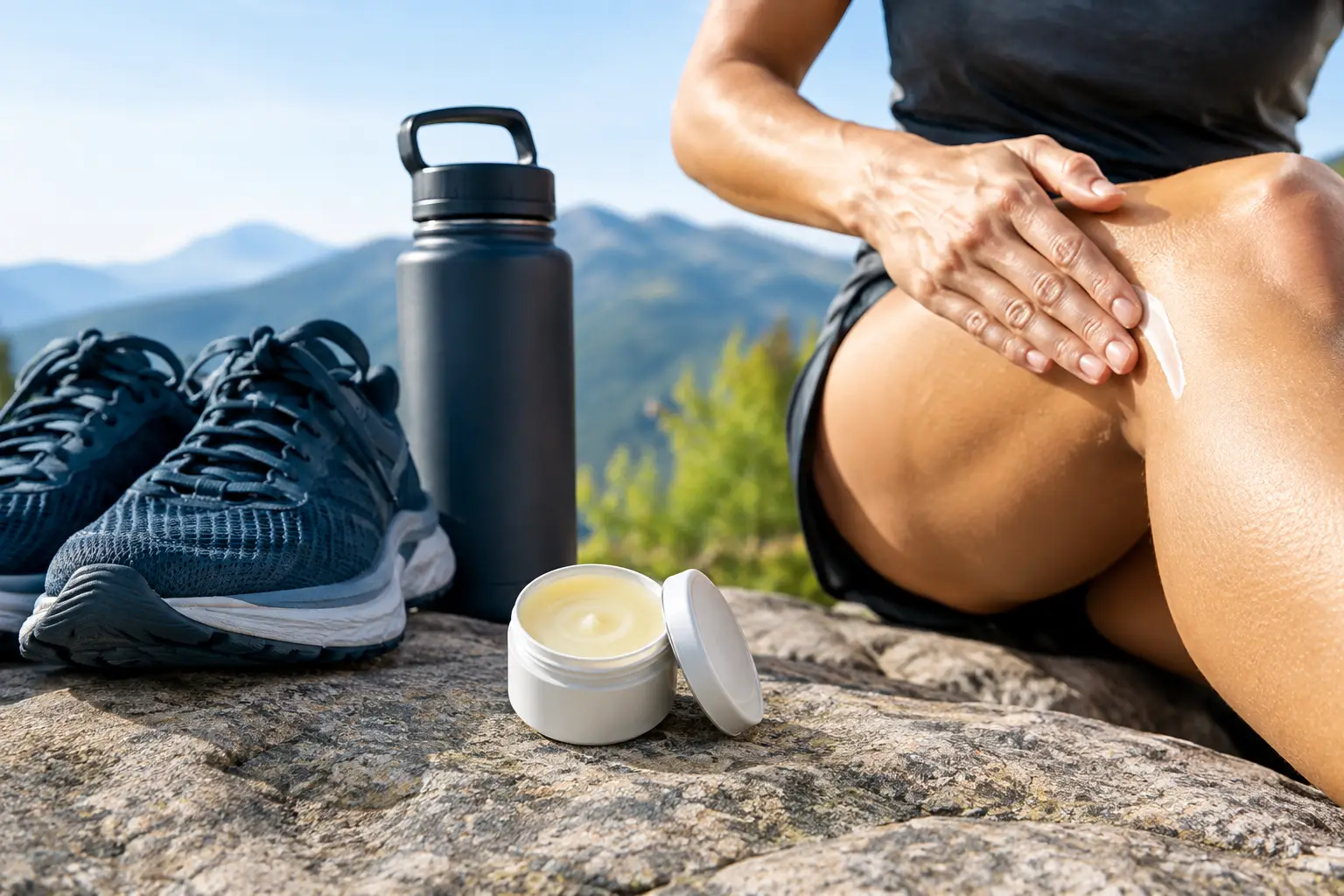
The real test of anti-chafe protection does not happen in a bathroom mirror. It happens five miles into a humid run, halfway through a steep hike, or on the ride home when damp kit, repetitive movement and tired skin combine. Friction balm testing is how you work out whether a product is genuinely helping you move freely or simply feels good for the first few minutes.
A good balm should become invisible armour: easy to apply, comfortable under clothing and dependable when your session gets longer, warmer or wetter than planned. The right choice is personal, because skin, kit, weather and activity all change the conditions. But testing with a clear method gives you a far better answer than hoping for the best on event day.
What friction balm testing should tell you
The aim is not to find a balm that feels thickest on your skin. It is to find one that reduces rubbing where it matters, stays comfortable throughout your activity and fits your routine well enough that you will actually use it.
Start by identifying the friction pattern you are trying to solve. Runners may deal with inner-thigh chafing, underarm rubbing, bra lines or irritation around the waistband. Hikers often notice hot spots on heels, toes and the edges of a pack or clothing. Cyclists may need support where shorts, seams and repetitive pedalling create pressure. For everyday walking, travelling or warm-weather wear, skin-on-skin contact and footwear are common culprits.
Test one area at a time where possible. If you apply a balm everywhere, change your socks, wear new shorts and run a different route all on the same day, you will not know what made the difference. A simple approach gives you useful feedback quickly.
The results that matter
Pay attention to four things: glide, staying power, skin comfort and kit compatibility. Glide is how easily the balm reduces drag during movement. Staying power is whether that protection remains after sweat, rain, heat or several hours of activity. Skin comfort covers any stinging, residue or feeling of heaviness. Kit compatibility means checking whether it transfers excessively onto clothes, affects grips or leaves socks and footwear feeling unpleasant.
There is a trade-off here. A very soft formula may feel immediately slippery but require more frequent application. A firmer stick can be cleaner and more targeted, though you may need a few passes to cover a larger area. Neither is automatically better. Match the format and feel to the conditions you face most often.
How to test friction balm before a big day
Do not make your first trial a marathon, mountain day or long-distance sportive. Test on training sessions that resemble your intended use, then build confidence across different conditions.
Begin with a small skin check
If you are trying a product for the first time, apply a small amount to a limited area of unbroken skin before a full session. This is particularly sensible if your skin is sensitive or you are recovering from previous chafing. Never apply friction balm to open, broken or actively irritated skin unless the product directions specifically say it is suitable.
When the area is comfortable, move to a short test session. Apply the balm directly to clean, dry skin at the points where rubbing normally starts. Use enough to create an even protective layer, but avoid treating it like moisturiser. More is not always more effective, and an excessive amount can make application messy or affect how clothing sits.
Recreate real conditions
A fifteen-minute walk in cool weather can tell you whether a stick applies smoothly. It cannot tell you much about performance under pressure. For meaningful friction balm testing, recreate the variables that usually cause trouble: the same shorts or leggings, socks, shoes, sports bra, backpack, saddle time, pace and likely weather.
On your next few outings, increase duration gradually. Notice when you stop thinking about the area. That is often the best sign. Reliable protection should let you focus on your breathing, your route and the people around you, rather than counting down the minutes until rubbing begins.
For a foot hot spot, check your feet as soon as you finish. Look for redness, tender patches and early blister formation, not only a fully formed blister. For thigh or underarm chafing, assess both during the session and after showering, when mild irritation can become more obvious. Make a quick note in your mobile phone: activity, distance or time, weather, kit and result. Two or three notes are usually enough to reveal a pattern.
Test the conditions, not just the product
Friction is rarely caused by one thing. Moisture softens skin, seams create pressure, salt from sweat can irritate, and repeated motion turns a small rub into a painful problem. A balm can reduce the rubbing force, but it cannot always compensate for poorly fitting kit or shoes that have reached the end of their life.
That is why your test should include a quick kit check. Are your socks bunching at the toes? Is a seam sitting directly against the same spot every run? Do your shorts ride up after a few kilometres? Is your pack strap moving as you swing your arms? Fixing one of these issues alongside balm application can be the difference between merely coping and moving comfortably.
Weather deserves its own test. A balm that works beautifully on a dry spring morning may need reapplication during a hot, humid session. Rain creates another set of conditions, particularly for hikers and trail runners. Waterlogged socks and softened skin raise the chance of blisters, so carry what you need for longer days and learn whether a top-up works for you.
Choosing a balm you will use consistently
The best product is not only effective. It is practical enough to earn a permanent place in your kit bag, gym locker or travel bag. Stick formats are especially useful because they make application direct and hands-free, with no leaking tube to manage before a run.
Ingredient preferences matter too. Some active people want to avoid petroleum-based formulas, oils or animal-tested products. Others prioritise a particular texture or need something that feels comfortable beneath compression gear. Read the product guidance, consider your own skin and test rather than assuming one formula works identically for everyone.
Runglide RG Anti Chafe Balm is designed for this straightforward purpose: targeted friction protection in a portable stick, for training and everyday movement alike. Whether you are preparing for a local 5K, a coastal walk or a long-haul journey, the useful question is simple: does it help you stay comfortable for the whole activity?
When to reapply
Reapplication depends on duration, sweat, water exposure and the friction zone. For a short gym session or commute, one application may be enough. For an all-day hike, endurance run or a hot cycling event, take the balm with you and plan a check at a natural break.
Do not wait until discomfort becomes painful. The first hint of warmth, rubbing or a developing hot spot is your signal to pause, dry the area if possible and reassess. Early action is much easier than managing damaged skin after the fact.
A simple way to judge your final result
After several uses, ask three practical questions. Did you finish with less redness, tenderness or rubbing than usual? Did the balm remain comfortable under your actual kit? Would you confidently use it on a longer or more demanding day?
If the answer is yes, you have found more than a pre-run extra. You have added a small, dependable habit that protects your freedom to train, explore and keep moving. If the answer is no, change one variable and test again: application amount, placement, clothing or the formula itself.
Your body gives clear feedback when friction is no longer in charge. Listen to it, prepare before you set off, and let comfort carry more of the distance.