

Blog
Is Anti Chafe Balm Safe Daily? What to Know

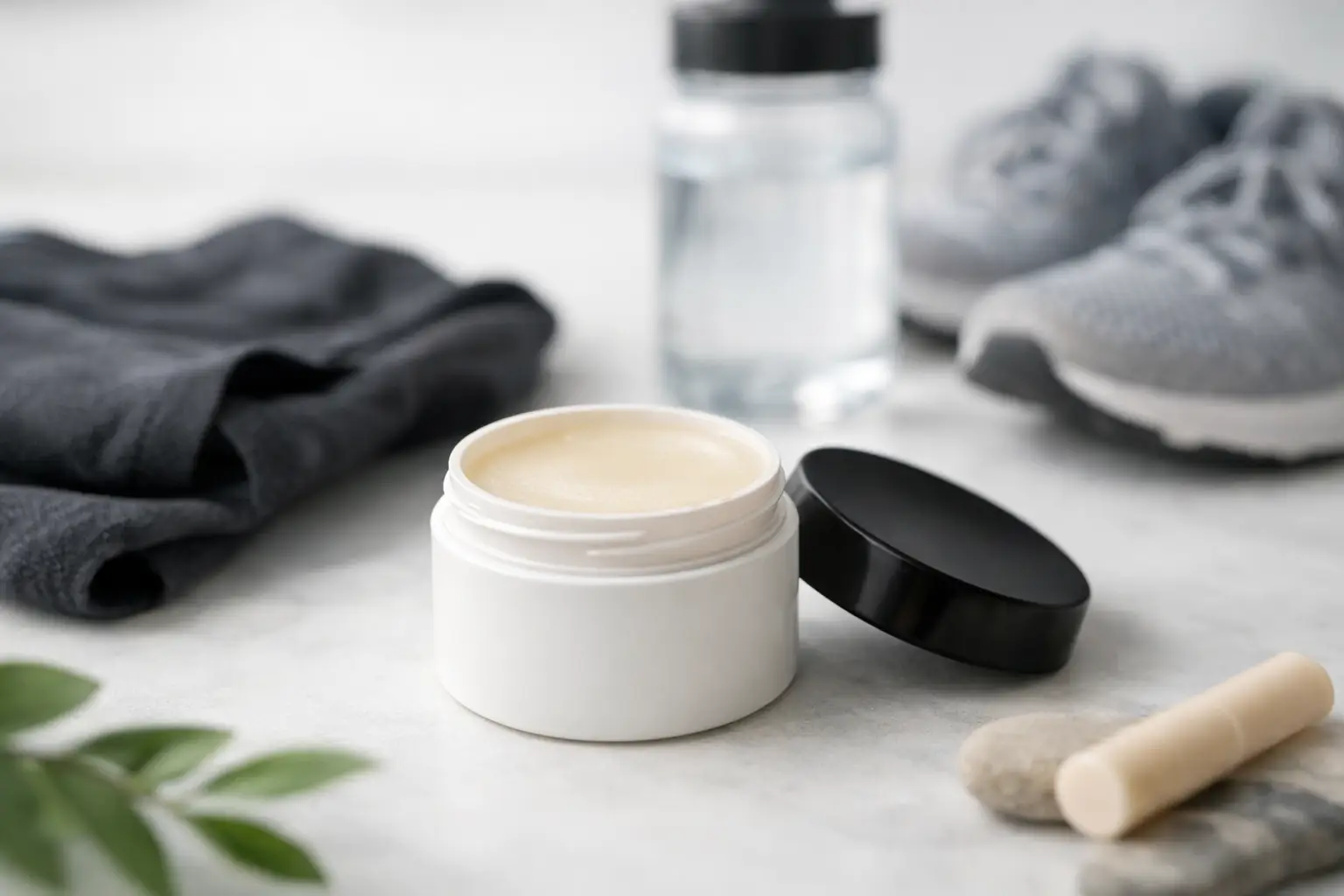
A long walk to work, a humid training run, a day in shorts or a flight with too much sitting: friction does not wait for race day. So, is anti chafe balm safe daily? For most people, a well-formulated balm used as directed on healthy, unbroken skin can be part of an everyday comfort routine. The key is choosing a product that suits your skin, applying only what you need and paying attention when your skin asks for a reset.
Anti-chafe balm is not just for endurance athletes. It is invisible armour for anyone who wants to move freely, whether that means a 10K, a hike in the hills, a commute through town or a holiday day spent exploring on foot.
Is anti chafe balm safe daily for most people?
Generally, yes. Anti-chafe balm works by creating a protective barrier between skin, fabric, footwear or equipment. This reduces the rubbing that can cause heat, soreness, redness, hot spots and blisters. When friction is a regular part of your routine, daily prevention often makes more sense than waiting for skin to become uncomfortable.
That said, daily use is not a one-size-fits-all promise. Your skin type, the balm’s ingredients, where you apply it and how much you sweat all matter. Someone using balm on their inner thighs before a summer walk may have a very different experience from a cyclist applying it beneath tight shorts for several hours.
The safest approach is refreshingly simple: apply a light layer to clean, dry, intact skin, then wash the area as part of your normal shower routine. If your skin stays comfortable, there is usually no reason not to make it a habit.
Why prevention can be kinder to skin
Chafing begins with repeated friction. Skin rubs against skin, seams, socks, bra bands, backpack straps or a saddle. Add sweat, heat and movement, and a small irritation can build quickly. Once the skin barrier is damaged, every step can become a distraction.
Using a balm before activity helps reduce that repeated rubbing from the start. It can be especially useful on inner thighs, underarms, under the chest, around bra lines, at waistbands, on heels, toes and anywhere footwear tends to create hot spots. For runners and hikers, it is often one of those small pre-session checks that pays off miles later.
Daily use can also help people whose friction is not linked to sport. Walking the dog, wearing a uniform, travelling, working on your feet or simply dealing with warm weather can all create the same problem. Comfort is not something you need to earn through a big event.
What to look for in a balm you use regularly
If you plan to use anti-chafe balm often, the formula matters. Look for a product designed specifically to reduce friction, rather than relying on a random moisturiser or heavily perfumed body product. A stick format is practical because it gives you controlled, hands-free application and is easy to keep in a gym bag, desk drawer or hand luggage.
Many active people prefer formulas without petroleum or oils, particularly if they dislike a greasy feel on skin or worry about transfer to clothing. Fragrance can also be a consideration. A scented product may be fine for some people, but those with sensitive skin often do better with a simpler formula and fewer potential irritants.
Runglide RG Anti Chafe Balm is designed for regular movement, from everyday walking to demanding training, with a portable stick that makes prevention easy to repeat. As with any personal-care product, read the packaging and ingredient list before use, especially if you know you react to particular ingredients.
How to use anti-chafe balm every day
There is no need to overapply. A few smooth passes over the friction-prone area are usually enough to create a comfortable barrier. Applying too much will not necessarily give better protection, and it can leave skin feeling unnecessarily coated.
Start with clean, dry skin. Glide the balm directly over the area where rubbing normally occurs, then get dressed and get moving. For a short walk or ordinary day, one application may be all you need. For a long run, hike, ride or hot day outdoors, bring the stick with you and reapply if the protective feel has worn away.
At the end of the day, wash the product away with your usual cleanser and water. This matters most in areas that stay warm and covered, such as the groin, under the chest or beneath close-fitting kit. Clean skin, dry clothing and fresh socks are a strong foundation for keeping friction under control.
Keep the stick clean too
A balm stick should only be used on intact skin. Avoid applying directly over cuts, open blisters, broken chafing or an active rash. Not only can this sting, but a protective friction product is not intended to treat an infection or heal damaged skin.
Keep the cap on between uses and do not share your stick with others. If it picks up dirt, wipe the surface gently with a clean tissue before replacing the cap. These small habits are particularly worthwhile when your balm lives alongside muddy trail kit, cycling gear or a well-used gym bag.
When daily use may not be right for you
Even a product that works brilliantly for a friend may not suit your skin. Stop using the balm and wash the area if you develop burning, persistent itching, swelling, a spreading rash or discomfort that feels different from ordinary chafing. If symptoms are severe, do not settle, or show signs of infection such as increasing warmth, pus or fever, seek advice from a pharmacist or healthcare professional.
Patch testing is sensible if you have sensitive skin, eczema, allergies or a history of reacting to cosmetics. Apply a small amount to a discreet area of unbroken skin and wait 24 hours before using it more widely. It is a small pause that can save an uncomfortable training day.
You may also need to rethink the source of friction rather than simply apply more balm. A seam that has started rubbing, worn-out running socks, shoes with a poor fit or damp kit can defeat even the best prevention routine. Balm is a powerful first line of defence, but it works best alongside gear that fits well and stays as dry as possible.
Chafing, blisters and skin already under pressure
If you already have mild redness from rubbing, take a break from the activity or clothing that caused it where possible. Keep the area clean, dry and protected from further friction. Once the skin has settled and is intact again, return to preventative balm before your next session.
For blisters, resist the temptation to pop them unless you have appropriate medical advice. A blister roof protects the tender skin underneath. Reduce pressure and rubbing, choose clean socks or footwear, and give the area time to recover. Repeated blisters in the same place are often a useful signal that your shoe fit, sock choice, lacing or training progression needs attention.
Make comfort part of your routine
The best anti-chafe routine is the one you will actually use. Keep your balm beside your trainers, in your work bag or with your travel essentials. Apply it before the discomfort starts, not halfway through a day when every stride is already irritating.
For most active adults, daily anti-chafe balm is a practical, safe habit when it is used on clean, healthy skin and matched to a suitable formula. Listen to your skin, look after your kit and give friction one less chance to decide where your day ends. Your next run, walk, ride or adventure should be about where you are going, not what is rubbing you the wrong way.