

Blog
9 Best Running Comfort Essentials for Every Mile

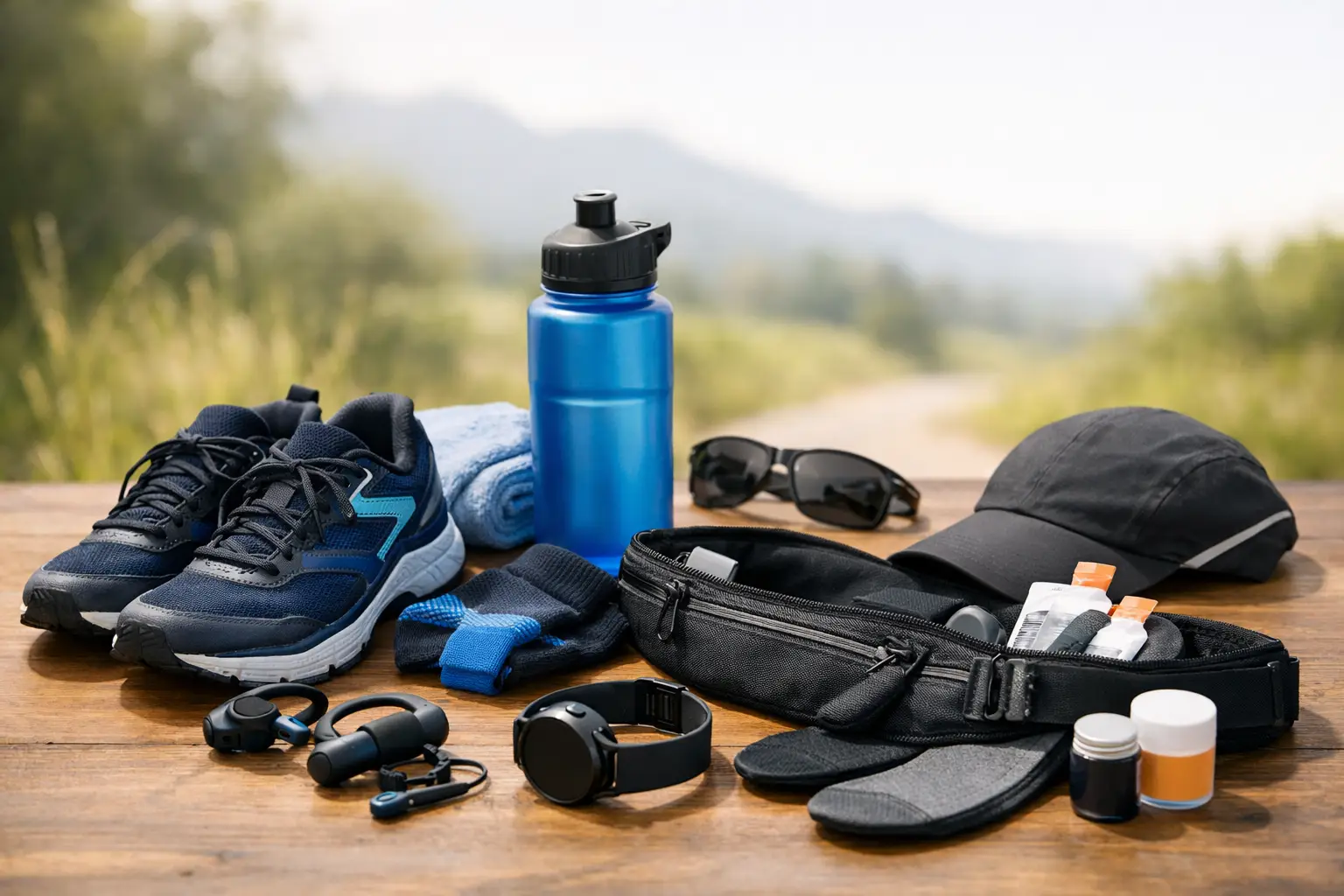
The first warning sign is rarely dramatic. A sock starts slipping at mile three, your waistband rubs on a warm stretch of pavement, or a hot spot appears beneath your big toe. The best running comfort essentials are the small, dependable choices that stop those distractions from becoming the reason you cut a run short.
Comfort is not a luxury reserved for race day. It is what helps you train consistently, enjoy the miles you have planned and focus on your effort rather than your skin, feet or kit. The right essentials will look slightly different for a 5K runner, a marathon trainee and someone returning to movement after time away. But the goal stays the same: remove avoidable friction and give your body the support to keep going.
1. Shoes that suit your stride, not the shelf
A running shoe can be popular, expensive and completely wrong for your feet. Comfort starts with enough room in the toe box, a secure heel and a fit that does not pinch across the midfoot. Your toes naturally spread and your feet may swell as a run goes on, especially in heat or over longer distances, so a shoe that feels just right while standing can become restrictive by the final mile.
Try shoes later in the day when your feet are closer to their running size. Wear the socks you normally run in and leave a thumb’s width between your longest toe and the front of the shoe. If you are regularly losing toenails, getting blisters at the heel or feeling numbness in your forefoot, reassess the fit before blaming your training.
Cushioning is personal. More foam can feel protective on long road runs, while a firmer, more responsive shoe may suit shorter efforts or runners who prefer ground feel. Neither is automatically better. The comfortable shoe is the one that lets you run naturally without creating pressure points.
2. Technical socks that stay put
Ordinary cotton socks hold moisture against the skin. When damp fabric shifts with every foot strike, friction builds quickly. A purpose-made running sock helps manage sweat, stays in position and provides light structure where your foot needs it most.
Look for a close but non-restrictive fit, a smooth toe seam and fabric that dries quickly. Some runners swear by thin socks for a precise shoe fit; others need slightly more cushioning under the heel and forefoot. Both approaches work when the sock does not bunch, slide or trap moisture.
For longer runs, take a spare pair if rain, river crossings or heavy sweat are likely. Changing socks halfway through a session may sound fussy, but it can be the difference between finishing comfortably and nursing a blister for days.
3. Friction protection before you feel the rub
Chafing often catches runners out because it can begin in places you barely notice until salt, sweat and repeated movement make it sting. Inner thighs, underarms, bra lines, waistbands, nipples and the edges of socks are all common friction zones. Prevention works best before the run, not after the skin is already irritated.
Apply an anti-chafe balm to the areas that repeatedly rub, particularly on hot days, long runs or whenever you are wearing new kit. Runglide Anti Chafe Balm is designed as portable, invisible armour against friction, making it easy to keep in a kit bag or pocket for training, races and everyday movement.
There is a trade-off here: no balm can fully compensate for clothing that is too tight, too loose or badly placed. Use skin protection alongside kit that fits well. If chafing continues in one spot, investigate the source. A seam, strap or waistband adjustment may solve the problem more permanently.
4. Run clothing that moves with you
The best running kit is not always the lightest or most stylish. It is the kit you forget you are wearing. That usually means breathable fabrics, flat seams and a fit that does not ride up, fall down or cling uncomfortably once wet.
For shorts and tights, test the length and grip during an actual run. A pair can feel excellent for five minutes indoors and become a constant irritation after forty minutes. If thigh rub is a regular issue, longer shorts or fitted tights may offer more coverage, while others prefer a shorter inseam plus anti-chafe balm. Your body, route and weather will decide what feels best.
A supportive sports bra is equally vital for runners who wear one. Straps should remain secure without digging in, and the band should not shift as you swing your arms. Test new kit on an easy local run before trusting it on race day.
5. A weather plan, not a weather guess
British weather has a talent for changing its mind halfway through a run. Being too warm can leave you soaked in sweat and vulnerable to chafing. Being too cold can make your hands numb and your muscles feel stiff. Comfort comes from planning layers you can adjust rather than hoping the forecast is perfect.
In cooler conditions, start slightly chilly rather than dressed for standing still. A breathable base layer, light outer layer and gloves can make a huge difference, especially on early starts. For warmer days, choose lighter colours, ventilated fabrics and protection from the sun. A cap can keep glare and rain off your face, but make sure it does not hold excess heat if temperatures climb.
Wet-weather comfort deserves special attention. A water-resistant layer may be helpful in drizzle, but a fully waterproof jacket can trap heat during a hard effort. For steady rain or long exposed routes, the extra protection can be worth it. For short, high-intensity runs, breathability may matter more.
6. Hydration that matches the distance
A dry mouth, headache or sudden drop in energy can make every minor annoyance feel bigger. For a short easy run, you may not need to carry anything. For longer outings, hot weather or hard sessions, water and electrolytes become comfort essentials as much as performance tools.
Choose a carrying method you will actually use. A handheld bottle is simple and accessible. A belt can suit runners who dislike holding anything. A vest provides room for more fluid, fuel and layers on longer routes, but needs careful adjustment to prevent bounce and rubbing.
Practise with your chosen setup before an event. A full bottle that bangs against your hip or a vest strap that catches at your neck becomes far more irritating after an hour. Small fit adjustments before you leave are always easier than trying to fix them mid-run.
7. Simple fuel for longer efforts
Once your runs extend beyond roughly an hour, fuel can protect both comfort and confidence. Running low on carbohydrate does not only affect pace. It can make you feel flat, irritable and less able to cope with a hill, headwind or unexpected detour.
Gels, chews, drink mixes and small real-food options all have a place. The best choice is the one your stomach tolerates and you can open while moving. Test flavours, textures and timing in training. Race day is not the moment to discover that a new gel is too sweet or difficult to digest.
Carry enough, but do not turn every run into an expedition. Match your fuel plan to the duration, intensity and conditions. A relaxed 45-minute jog needs far less than a two-hour long run in summer.
8. A low-fuss kit carry system
Keys, phone, tissues, ID and a bank card all need somewhere to go. Stuffing them into loose pockets can cause bounce, rubbing and the constant fear that something will fall out. A secure running belt, zipped pocket or well-fitted vest keeps essentials close without disturbing your stride.
Keep the load minimal. Take what supports safety and comfort, not every item you might possibly need. For unfamiliar routes or low-light runs, a charged phone, identification and a light are sensible additions. For a local loop, a simple zipped pocket may be all you need.
9. Recovery habits that protect tomorrow’s run
Comfort does not end when your watch stops. Change out of damp clothing promptly, clean any grit from your feet and deal with hot spots before they become proper blisters. A few minutes of calm attention can save several uncomfortable days.
You do not need an elaborate recovery routine. Eat a decent meal, drink to thirst, sleep well and allow training to build gradually. If a particular area repeatedly hurts, rubs or blisters, treat it as useful feedback. Adjust your shoes, socks, route, pace or skin protection rather than simply pushing through.
Build your own running comfort checklist
The best setup is not a shopping list of expensive gear. It is a reliable system built around your own friction points. Start with well-fitting shoes and socks, then add anti-chafe protection, weather-ready clothing and a practical way to carry fluid or essentials when your runs demand it.
Test one change at a time so you know what genuinely helps. When your kit feels quiet, secure and comfortable, your attention returns to your breathing, your rhythm and the road ahead. That is where the good miles begin.