

Blog
Balm Performance Review for Friction-Free Movement

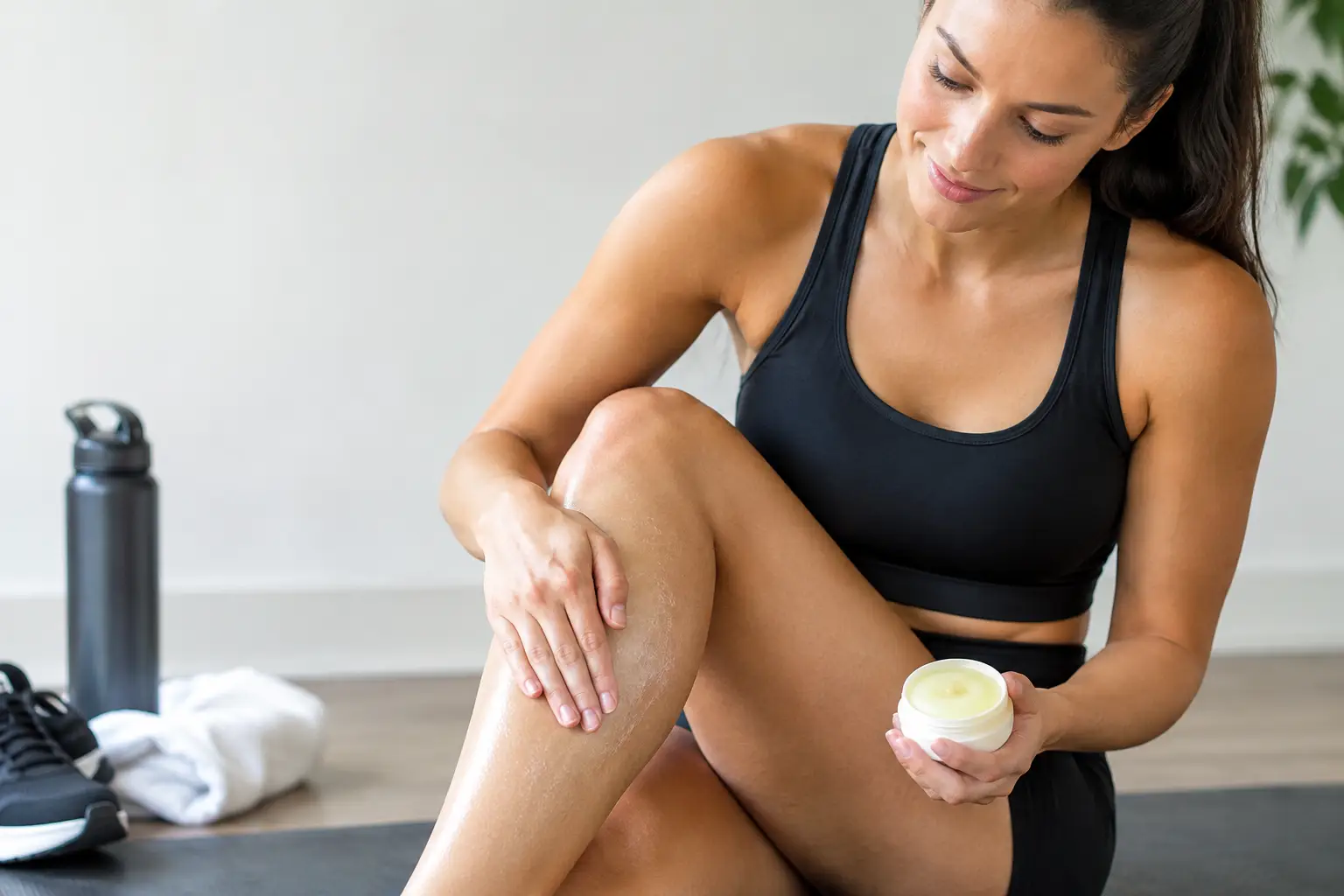
A hot spot rarely announces itself at the start line. It builds quietly: a rub from a sock seam, inner thighs catching on a humid run, a backpack strap moving over the same patch of skin for miles. This balm performance review looks at what an anti-chafe balm needs to do when movement gets repetitive, sweaty and non-negotiable.
For active people, friction protection is not a luxury product reserved for race day. It is part of preparation, like checking your laces or bringing water. The right balm creates a low-friction barrier before skin, fabric, footwear or kit has a chance to cause trouble. The result is simple: fewer distractions, more comfortable miles and the freedom to keep going.
What Defines a Good Balm Performance Review?
A useful review should look beyond whether a balm feels nice when first applied. Performance means asking how it behaves after an hour of walking, through a warm gym session, on a wet trail or beneath close-fitting cycling kit. It should also consider whether the product is easy to apply where it is needed and whether it fits into a real routine.
An anti-chafe balm earns its place in a kit bag when it provides reliable glide without feeling overly greasy, stays where it is applied and does not make getting dressed a nuisance. A stick format matters here. You can apply it directly to skin without coating your palms, then keep it in a pocket, running belt or travel wash bag for a top-up if the day runs longer than planned.
The trade-off is that no balm can compensate for every issue. Shoes that are too small, socks that bunch, rough garment seams or a poorly fitted rucksack will still create pressure and friction. Think of balm as invisible armour, not a substitute for kit that fits properly.
Performance Where Friction Usually Starts
Running and long walks
Runners tend to notice friction at the inner thighs, underarms, bra line, waistband and toes. Walkers encounter many of the same areas, particularly on longer routes when heat and repeated movement build. Applying balm before you leave is far more effective than waiting until skin feels sore.
For foot protection, target known problem areas: the back of the heel, the sides of the toes, the ball of the foot and any spot where you have previously felt rubbing. Let the balm sit for a moment before putting on socks, especially if you prefer a thinner technical sock. This helps keep application controlled rather than transferring too much product into the fabric.
Distance changes the equation. A short parkrun may only need a light application, while a half marathon, hill walk or all-day city break may call for broader coverage and a stick packed for reapplication. Sweat, rain and water crossings can reduce how long any barrier feels effective, so planning a quick top-up is sensible on endurance days.
Cycling, gym training and sport
Cycling brings a different friction pattern. Seams, saddle contact and damp kit can create discomfort over time, particularly during longer indoor sessions or summer rides. A balm should glide on easily and feel comfortable under fitted clothing, without leaving you distracted by a heavy residue.
In the gym, friction is often less dramatic but no less irritating. Inner-thigh rub during treadmill work, underarm chafing during rowing, or waistband irritation during circuits can turn a good session into one you cut short. The advantage of a targeted balm is that you can apply it only where you need it, rather than changing your whole routine around discomfort.
Swimmers, travellers and commuters can benefit too. Damp clothing, long periods of walking and warm weather create the same basic condition: repeated rubbing. Friction does not care whether you are chasing a personal best or catching a train.
Texture, Application and Everyday Comfort
The best anti-chafe products are practical enough to use consistently. That means a formula which applies cleanly, travels easily and does not demand a complicated ritual. A stick is particularly useful for areas that are awkward to reach or easy to miss, such as heels, underarms and the line where clothing tends to rub.
Texture is personal. Some people want a more noticeable protective layer for long endurance events; others prefer a lighter feel for daily walks or gym sessions. In either case, the aim is the same: reduce drag while keeping skin comfortable. If you are trying a balm for the first time, use it on a familiar short run or walk before relying on it for a race, trek or holiday.
For people who avoid petroleum-based products or prefer cruelty-free personal care, ingredient choices may be just as relevant as performance. Runglide RG Anti Chafe Balm is designed around this balance, offering portable friction protection without petroleum or oils. That makes it easier to treat anti-chafe protection as an everyday essential rather than something saved for exceptional efforts.
How to Get Better Results From Anti-Chafe Balm
Good preparation is often the difference between a comfortable session and a painful one. Apply balm to clean, dry skin before movement begins. Cover the whole contact zone, not just the point that rubbed last time. Chafing can spread as clothing shifts, especially once you start sweating.
Use enough product to create an even barrier, but do not feel you need to overapply. A few steady passes of a stick will usually be more controlled than rubbing in a large amount at once. Then put your clothing and footwear on as normal, checking that seams lie flat and socks have no folds.
When you are heading out for several hours, bring the balm with you. A quick reapplication at a café stop, checkpoint or halfway point can protect the second half of the day. This is especially useful in heat, during events with repeated water exposure, or when you are wearing new kit that has not yet proved itself over distance.
After activity, wash and dry the area gently. If skin is already broken, very sore or showing signs of infection, allow it to recover and seek medical advice where appropriate. Prevention works best before irritation develops.
Is an Anti-Chafe Balm Worth Adding to Your Kit?
If friction has ever changed your pace, shortened a walk or made you dread putting on certain clothes, the answer is likely yes. The cost and effort of applying a stick are small compared with losing training time or spending days waiting for sore skin to settle.
It depends on your activity, skin sensitivity and the conditions you face. Someone doing a 20-minute winter jog may use balm only occasionally. Someone training for a marathon, hiking in warm weather, cycling long distances or travelling with lots of walking may find it becomes as routine as sunscreen or a refillable bottle.
Start with the places that usually cause problems, test your approach before a big effort and keep the stick within reach. Comfortable movement gives you more than a better workout. It gives you one less reason to hold back when the miles, the weather or the day asks for more.