

Blog
Long Distance Walking Comfort Guide for Every Mile

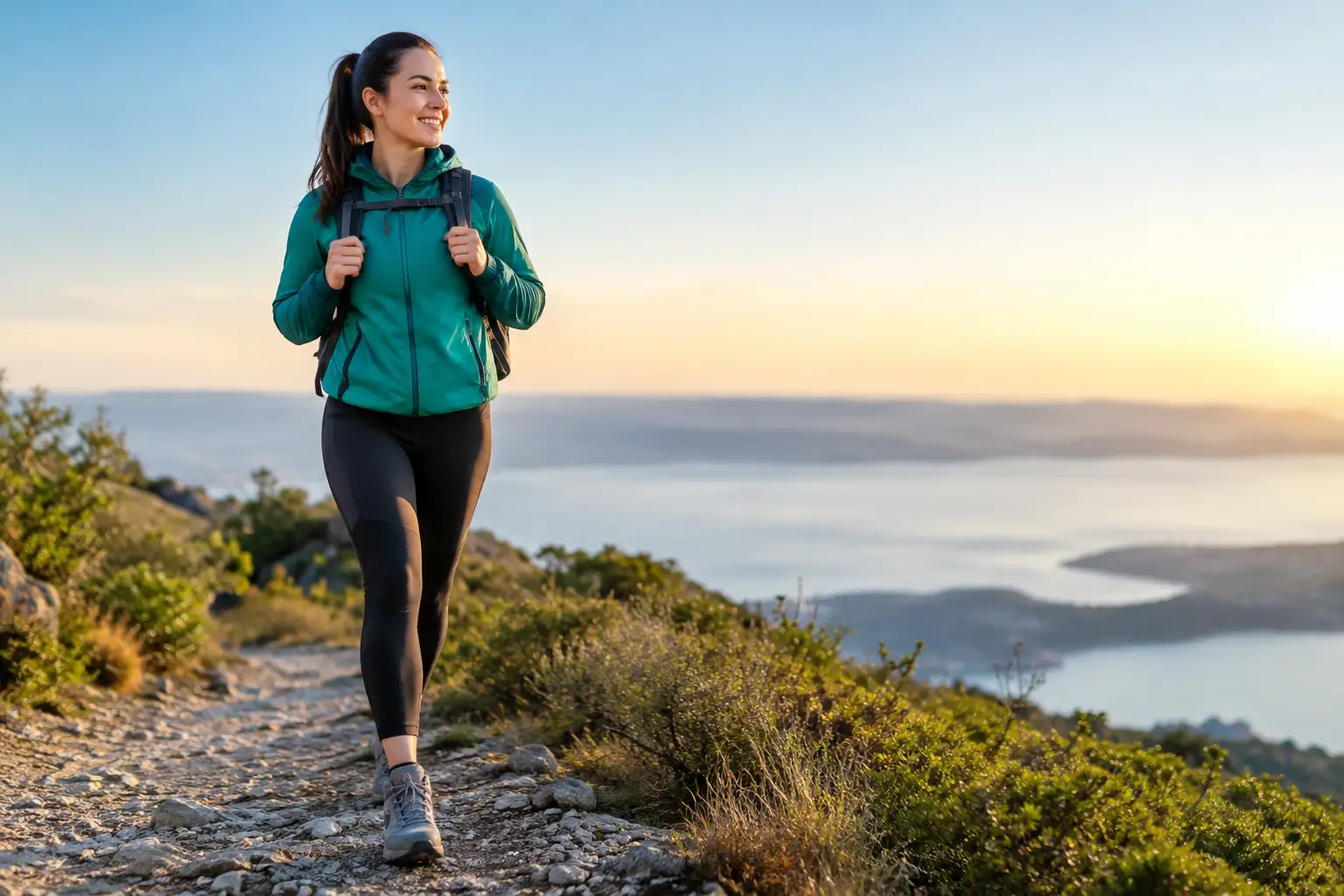
A long walk should leave you pleasantly tired, not limping home with raw thighs, burning heels or a blister that changes how you move for days. This long distance walking comfort guide focuses on the small decisions that protect your skin, feet and energy from the first mile to the last.
Whether you are building towards a charity walk, heading out on a coastal trail, travelling through a new city or simply extending your weekend route, comfort is a performance tool. When friction, moisture and poor-fitting kit are handled early, you can keep your attention where it belongs: on the route ahead.
Start with the feet, not the distance
Most long-walk problems begin long before a blister appears. Shoes that feel fine for a quick walk can become restrictive after several hours, when feet naturally warm up and swell. Your walking shoes or boots should have enough room in the toe box for your toes to spread and move, while still holding your heel securely enough to prevent slipping.
Do not save new footwear for an ambitious day out. Wear it on progressively longer walks first, using the socks and insoles you intend to rely on. Notice any rubbing at the heel, little toe, ball of the foot or top of the toes. A slight hotspot at three miles can become a painful blister at ten.
Fit matters more than the label on the shoe. Trail footwear can offer grip and protection on uneven ground, while lighter walking shoes may feel better on pavements, parks and packed paths. Boots can support some walkers carrying a heavier pack, but they are not automatically more comfortable. The right choice depends on your terrain, walking style, weather and the weight you are carrying.
Socks are part of your footwear system
A good sock manages moisture and reduces movement inside the shoe. Avoid cotton for longer walks if your feet tend to sweat, as it can hold moisture against the skin. Technical walking socks made from merino blends or synthetic fibres are often a better option because they dry more effectively and provide cushioning where it is needed.
Try a few thicknesses before committing. A thicker sock may feel protective in a roomy boot but cramped in a close-fitting trainer. If you are prone to toe blisters, socks with a more secure fit or individual toe sections may help, but only if they suit your footwear. There is no universal winner – the goal is less heat, less moisture and less sliding.
Stop friction before it becomes pain
Friction is not just a foot issue. On a long walk, repeated movement can irritate the inner thighs, groin, underarms, bra line, waistband, nipples, toes and anywhere a seam, strap or skin surface rubs. Add warm weather, rain or perspiration and the problem can escalate quickly.
The best time to manage chafing is before you leave the house. Apply an anti-chafe balm to known friction points on clean, dry skin. Think of it as invisible armour: a protective layer that helps skin and fabric glide rather than catch. Carry it with you if you will be out for several hours, especially in heat or if your route includes hills that will raise your effort level.
Runglide Anti Chafe Balm is designed for this practical role – a portable, petroleum-free stick that fits easily into a walking routine. Apply it where you know friction starts, then get on with the miles.
Clothing should support this plan, not undo it. Choose walking shorts, leggings or trousers that stay put as you move. Flat seams are useful, but fit is equally important. Fabric that bunches at the inner thigh or waistband can cause irritation even when it is marketed as technical. Test complete outfits on shorter walks, including underwear, sports bras and backpacks.
Build your comfort around the weather
The forecast tells only part of the story. A cool morning can turn warm by midday, while wind and rain can make damp clothing feel uncomfortable surprisingly fast. Layers give you options, but avoid overpacking bulky items you will resent carrying.
For warm conditions, lightweight, breathable fabrics help sweat evaporate. A cap, sunglasses and sun protection can make a noticeable difference to fatigue as well as comfort. In wet conditions, a waterproof outer layer is useful, but keep an eye on what is happening underneath it. If you are sweating heavily, you may need to slow down, adjust your layers or take a short break before dampness starts creating friction.
Pack dry socks on longer routes. It is a small addition with a big payoff when rain, puddles or perspiration have left your feet damp. If your shoes are soaked through, change socks at a sheltered stop, dry your feet as well as you can and address any developing hotspots before moving on.
Pace protects more than your energy
Many walkers begin too fast because the first few miles feel easy. The result is often sore feet, tight calves and a long final stretch where form breaks down. A steady pace you can hold matters more than an impressive start.
Use your breathing as a simple check. You should generally be able to speak in short sentences without gasping. On hills, shorten your stride rather than trying to maintain your flat-ground speed. This reduces strain on calves and can help prevent your feet from sliding forward and jamming into the front of your shoes on descents.
Regular micro-breaks work better than waiting until you are exhausted. Every hour or so, stop briefly to drink, eat a small snack, loosen your shoulders and check your feet. Take your shoes off only if you can do so somewhere dry and you have time to put them back on properly. The aim is to spot discomfort early, not to turn every stop into a lengthy reset.
Eat and drink before you feel depleted
Comfort fades quickly when hydration and fuel run low. You do not need to carry a full picnic for every walk, but you do need a plan that matches the duration, temperature and intensity of your day.
Bring water and drink regularly rather than waiting for strong thirst. For longer, hotter or hillier walks, consider a drink that replaces electrolytes too. Pack familiar, easy-to-eat food such as bananas, sandwiches, oat bars, dried fruit or salty snacks. The best choice is one your stomach handles well while moving.
Avoid trying new gels, supplements or heavily spiced foods for the first time on an all-day route. Long-distance walking is not the moment to discover that a product does not agree with you.
What to do when a hotspot appears
A hotspot is an early warning, not something to push through. Stop as soon as you notice persistent heat, rubbing or tenderness. Remove the shoe and sock, dry the area, then check whether the cause is a crease in the sock, grit in the shoe, loose laces or footwear that is allowing too much movement.
If the skin is intact, reduce friction before continuing. Reposition your sock, adjust the lacing and use appropriate blister protection if you carry it. If a blister has formed, protect it from further rubbing and keep it clean. Do not automatically burst it, as intact skin can help protect the area. Severe pain, spreading redness, warmth, swelling or discharge are reasons to stop and seek medical advice.
The same approach applies to chafing. Pause, gently clean and dry the skin where possible, and avoid continuing in clothing that is repeatedly causing the issue. A small adjustment early can save the rest of the day.
Train your kit and your body together
Distance comfort is built gradually. Increase either your time on your feet, terrain difficulty or pack weight in manageable steps rather than raising everything at once. Your skin, feet, tendons and muscles all need time to adapt.
Use training walks as experiments. Try the socks, shorts, hydration method and anti-friction routine you will use on your bigger day. Keep a quick note afterwards: where did you feel rubbing, did your shoulders ache, were you hungry too early, did your shoes feel different after rain? These details turn the next walk into a better one.
There is no prize for tolerating preventable pain. Prepare well, react early and give yourself permission to adjust the plan when conditions change. When your kit works with your body, every mile feels more like freedom.