

Blog
How to Prevent Skin Rubbing on Holiday Walks

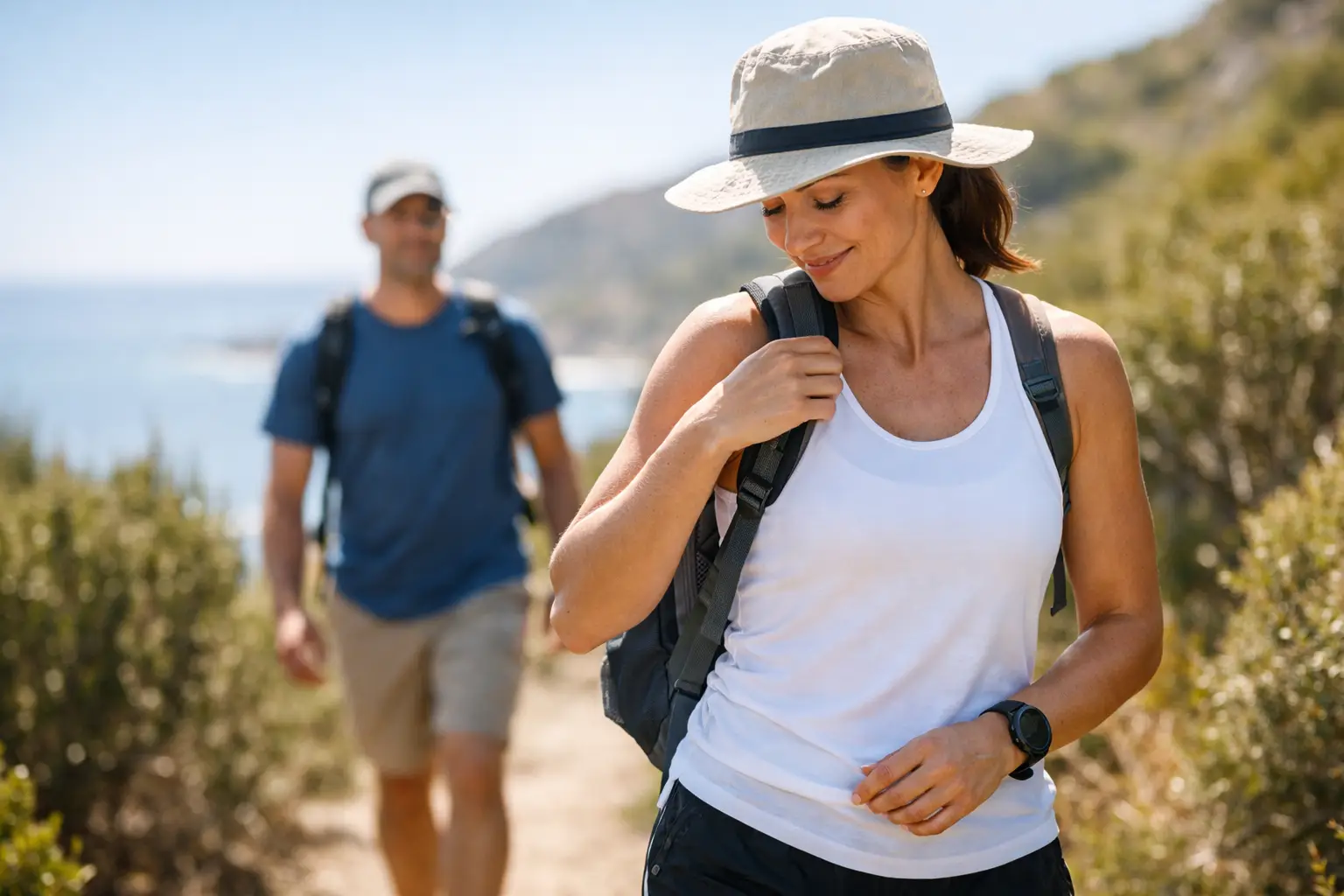
A brilliant holiday walk can turn surprisingly quickly when a rubbing sock, sweaty waistband or bare thighs start to sting. Knowing how to prevent skin rubbing on holiday walks means you can focus on the view, the people you are with and where the path leads next – not the growing discomfort with every step.
Holiday walking is different from a familiar loop near home. You may be out longer than planned, climbing in warmer weather, carrying a daypack, or wearing sandals that felt fine for the first ten minutes. Friction builds through movement, heat and moisture. A little preparation gives your skin an invisible layer of armour before rubbing gets the chance to slow you down.
Why skin rubbing happens on holiday walks
Skin rubbing, often called chafing, happens when repeated contact damages the top layer of skin. It can occur skin-on-skin, such as between the thighs or under the arms, or where clothing, footwear and kit repeatedly move against you. Once skin becomes warm and damp with sweat, it is more vulnerable to irritation.
Walking for several hours is enough to expose small issues that do not show up during daily life. A loose seam can rub at the waist. A backpack strap can irritate the shoulders. Sand, saltwater and sunscreen can change how your skin and clothing feel. Hills add another factor: uphill walking creates more movement at the thighs, groin, heels and toes.
The aim is not to eliminate every bit of movement. It is to reduce the drag and dampness that turn normal movement into painful friction.
Start with the right walking clothes
Your clothing should move with you, wick moisture away and stay put. That sounds simple, but the cut and fabric matter as much as the label on the garment.
Choose shorts, leggings or walking trousers that have been tested on a decent walk before you pack them. Avoid relying on brand-new kit for a full-day hike, especially if it has stiff seams, a drawstring that presses into your skin, or fabric that rides up. For many walkers, fitted shorts or lightweight leggings prevent thigh rubbing better than loose shorts because they create a smooth barrier between the thighs.
Cotton can feel pleasant at the start but tends to hold sweat. Technical, moisture-wicking fabrics or merino blends are often more comfortable over distance. In hot conditions, light fabrics help reduce heat, but they still need to fit well. Too-tight clothing can pinch, while overly loose clothing can bunch and rub. It depends on your shape, the temperature and the route, so test what works for you rather than following one rule blindly.
Pay attention to the less obvious areas too. Check bra bands, underwear seams, waistbands and the points where a vest or hydration pack sits against your body. A soft, supportive sports bra can make a major difference on long walks, particularly in humid weather.
Protect high-friction areas before you set off
Prevention works best on clean, dry skin before the first mile. An anti-chafe balm forms a protective barrier that lets skin or fabric glide rather than drag. Apply it generously to the areas you know tend to rub: inner thighs, groin, underarms, under the bra line, around waistbands, between toes and anywhere a pack strap presses.
A stick is particularly useful on holiday because it is compact, mess-free and easy to keep in a daypack. Runglide RG Anti Chafe Balm is designed for exactly this job, giving active skin a smooth, petroleum-free protective layer without making your hands oily. Apply before walking, then take it with you if you expect heat, a long route or a full day outdoors.
Do not wait for a hot spot to become sore. If you feel a persistent warm, prickly or pinching area, stop early and deal with it. Reapply balm to intact skin, adjust the clothing or strap causing the problem, and give the area a moment to cool and dry. Five minutes of attention can save the rest of your day.
Give your feet the attention they deserve
Blisters are friction injuries, and holiday walks create the perfect conditions for them: heat, sweat, unfamiliar shoes and more steps than usual. Your footwear should have enough room at the toes, a secure heel fit and no pressure points. Shoes that are too small cause toe rubbing, but shoes that are too loose allow the foot to slide, which can be just as troublesome.
Break in walking shoes or sandals well before your trip. This does not mean wearing them once around the house. Wear them on several walks, including one long enough to reveal whether the heel slips or the forefoot feels cramped. If you are travelling somewhere warm, test them in the socks you will actually wear, as thinner socks can change the fit.
Socks are a vital part of the system. Choose pairs that manage moisture and fit snugly without bunching. Merino or synthetic walking socks are usually a better bet than everyday cotton socks. Some walkers prefer a thin liner sock under a thicker outer sock for longer routes, while others find that one well-fitting technical sock is all they need. The best option is the one that keeps your feet dry and stable in your footwear.
Act at the first sign of a hot spot
A hot spot is your warning signal. Take off your shoe and sock before the skin breaks. Dry your foot, remove any grit, then protect the area with an appropriate blister plaster or tape. If your socks are soaked, change them. Carrying a spare pair takes up very little room and can transform the second half of a walk.
Avoid popping a blister unless you have a clear reason and can keep the area clean. Broken skin is more likely to become infected, particularly when you are walking in heat or around sand and water. If a blister is very painful, shows spreading redness, warmth, pus or swelling, seek medical advice.
Manage sweat, heat and moisture on the route
Sweat is normal. Staying in damp clothing for hours is where problems begin. Plan your walk around the conditions when possible: start earlier on hot days, take shade breaks and drink regularly. Dehydration will not directly cause chafing, but it can make a walk feel harder and lead you to push through discomfort instead of addressing it.
If you are combining a coastal walk with a swim, do not continue in wet swimwear. Saltwater, sand and wet fabric can make rubbing far worse. Dry off, change into clean underwear or shorts, and reapply your anti-chafe protection before setting out again.
A small holiday walking kit is worth having in your bag. Include water, spare socks, blister plasters or tape, anti-chafe balm, a small clean cloth and lightweight layers. These are not dramatic additions, but they solve the problems most likely to cut a good walk short.
Adjust your pack and walking kit
Backpacks can create friction at the shoulders, lower back, chest and hips, especially when they are overloaded or poorly adjusted. Tighten the straps enough to stop the pack bouncing, but not so much that they dig into your body. Use the chest and hip straps if your pack has them, and redistribute weight so heavier items sit close to your back.
If you use trekking poles, check the wrist straps and glove edges for rubbing. The same applies to a camera strap, running belt or hydration vest. On holiday, new kit is often bought for the trip itself, so take extra care with fit. A short test walk around your accommodation is far better than discovering a pressure point halfway up a trail.
If rubbing has already started
When skin is tender but unbroken, clean and dry the area gently, remove the source of friction and protect it before walking again. Loose, breathable clothing can help the skin recover. Avoid fragranced products on irritated skin, as they may sting or worsen sensitivity.
If the skin is broken, keep it clean and covered where clothing will continue to rub. Skip the long walk if you can. Pushing through can turn a manageable irritation into a painful wound that affects the rest of your holiday. Seek advice from a pharmacist or medical professional if there are signs of infection, severe pain, or symptoms that do not improve.
Your holiday does not need a perfect forecast or a perfectly mapped route to be memorable. It does need skin, feet and kit that let you keep moving freely. Prepare the friction points before you leave the door, listen when your body gives you an early warning, and keep the comfort tools that help you say yes to one more mile.