

Blog
10 Waistband Chafing Prevention Tips That Work

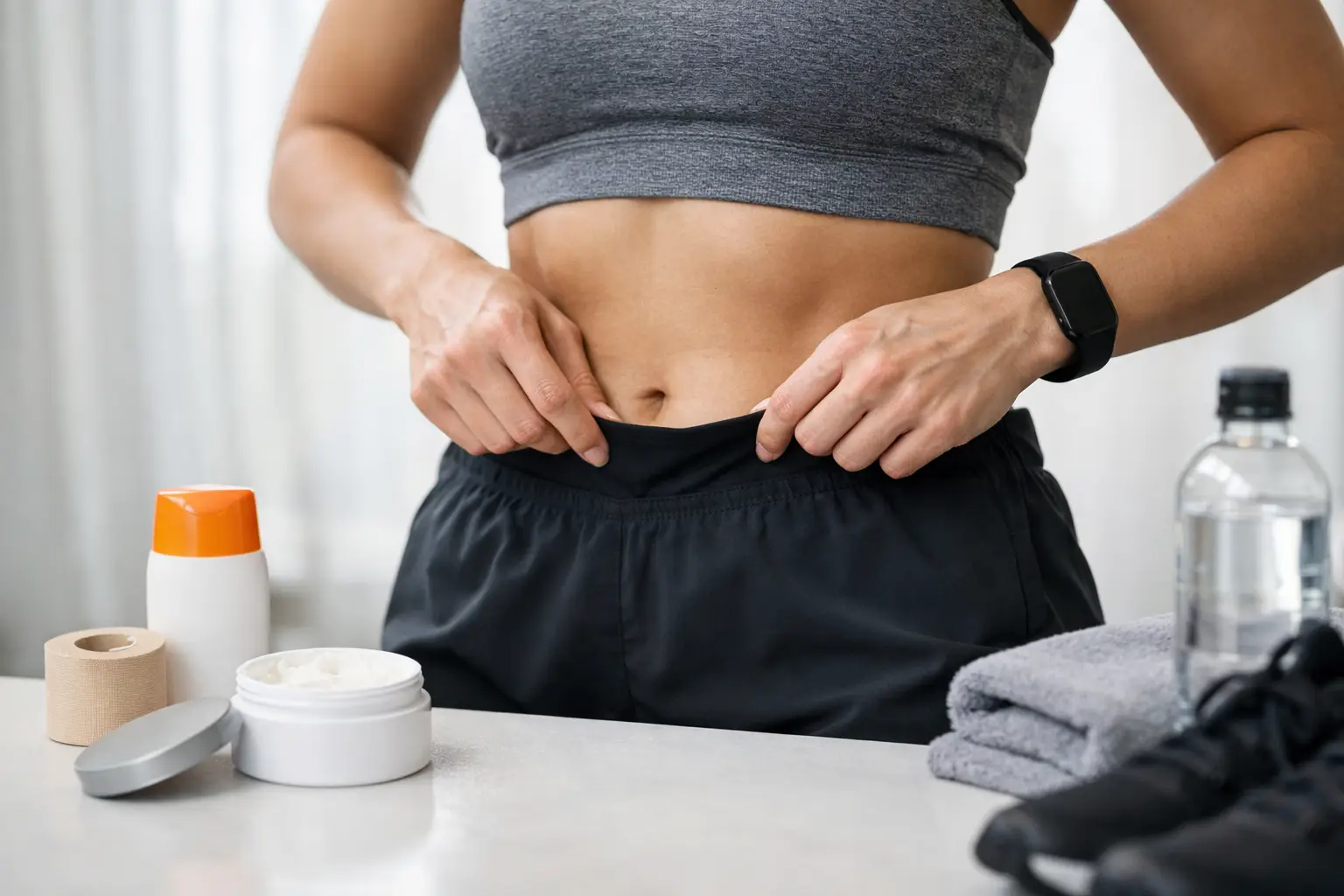
A waistband can turn a great run, long hike or everyday walk into a constant distraction. These waistband chafing prevention tips help you stop the rub before it starts, so your focus stays on your pace, the view or simply getting through a busy day comfortably.
Waistband chafing is rarely caused by one thing alone. It is usually the combination of pressure, movement, sweat and a seam or edge that keeps hitting the same patch of skin. The good news is that a few targeted changes can make a major difference.
Why waistbands cause chafing
Your waist moves more than you may realise. It bends, twists and expands as you breathe, climb, run or sit on a bike. A waistband that is slightly too loose can slide with every stride, while one that is too tight creates pressure and traps heat. Add sweat and salt, and the skin becomes more vulnerable to friction.
The trouble spot is often not directly under the waistband. Chafing can appear just above it, along the hip bones, around the lower back or where a drawcord, label or stitched panel catches the skin. That is why simply buying a larger size does not always solve the problem.
Waistband chafing prevention tips before you move
Start with the right fit, not the tightest fit
A secure waistband should stay in place without digging in. Test new shorts, leggings or trousers by doing a few squats, high knees and torso twists at home. If the waist rolls, pinches or shifts during those movements, it is likely to cause trouble on a longer session.
For running, a wide, flat waistband often spreads pressure better than a narrow elastic strip. For hiking, consider how your waistband sits beneath a rucksack hip belt. The two edges can rub against each other for hours, especially on steep ground. For cycling, make sure the top of your shorts works with your riding position rather than folding into your stomach or lower back.
Fit can change through the day, too. A waistband that feels fine at the start of a morning run may become restrictive after a meal, during a hot-weather hike or when you retain water. Give yourself enough room to move and breathe.
Choose fabrics that manage sweat
Moisture is friction’s best friend. Once fabric is wet, it can cling, bunch and drag against the skin. Lightweight, sweat-wicking fabrics are usually a better choice than heavy cotton for training, long walks and warm days.
Look closely at the inside of the waistband, not just the outer fabric. A soft lining, smooth construction and minimal stitching can all help. Raised seams, rough elastic and thick printed logos may feel harmless in the changing room but become irritating after several miles.
There is a trade-off here. Very soft fabric can sometimes stretch and slide, while highly compressive fabric can hold everything firmly but feel restrictive. The best option is the one that stays stable on your body without creating a hard edge at the waist.
Check what sits underneath and above it
Layering can create hidden friction points. Underwear with a separate elastic band may rub directly beneath the waistband of your shorts or leggings. If that is where you chafe, try a smoother base layer or training kit designed to be worn without bulky underwear, where appropriate for you.
Also think about what sits over your waistband. A running belt, hydration pack, rucksack hip belt or the top edge of cycling bibs can repeatedly press fabric into the same area. Adjusting the height of one layer by a few centimetres may stop two seams from meeting.
Remove labels where possible and inspect drawcords. A cord that is tucked in badly can create a small but relentless pressure point. Small details matter when you are moving for an hour or more.
Apply a friction barrier to clean, dry skin
A well-fitted waistband helps, but it cannot eliminate all movement. Applying an anti-chafe balm creates a protective layer between your skin and the fabric, reducing the drag that causes irritation.
Use it before activity, not once the skin is already sore. Apply directly to the places that usually rub: around the waistline, over the hip bones, beneath a pack belt or at the lower back. If your clothing shifts during exercise, protect a slightly wider area than the exact red patch you had last time.
For longer events, hot days or high-sweat sessions, take your balm with you for a quick reapplication. Runglide RG Anti Chafe Balm is designed as portable, invisible armour for the high-friction areas that can otherwise cut a session short. The aim is not to feel coated or distracted – it is to move freely.
Keep friction under control during longer sessions
Chafing prevention is not only a pre-run ritual. On an all-day hike, endurance ride or humid training day, pay attention to early warning signs. A warm, prickly or stinging feeling is yourcue to act before it becomes broken skin.
If you can, pause somewhere private to smooth out bunched fabric, adjust a belt or dry excess sweat with a clean towel. Do not keep tugging aggressively at your waistband every few minutes, as that can create more rubbing. Make one purposeful adjustment and see whether the fit improves.
If you are carrying a rucksack, alternate small adjustments to the hip belt rather than tightening it to the maximum from the start. It still needs to carry weight effectively, but a little repositioning at breaks can stop pressure concentrating on one strip of skin.
For races and organised events, wear kit you have already tested. New shorts may look brilliant, but a long run is not the place to discover that their waistband curls after 30 minutes. Save unfamiliar clothing for short sessions first.
Build a waistband-friendly kit routine
The most reliable approach is to treat your waist area like your feet: prepare it, protect it and pay attention to patterns. After each session, notice where discomfort occurred. Was it on a humid day? Did it happen under a belt? Was the waistband wet, folded or too loose? That information makes your next choice much easier.
Keep your training kit clean. Dried sweat, detergent residue and worn elastic can make fabric rougher against the skin. Rinse heavily sweaty clothes promptly, use a suitable amount of detergent and avoid fabric softener if it leaves a coating that affects moisture-wicking performance.
It also helps to rotate heavily used shorts and leggings. Even quality kit loses its shape over time. When a waistband no longer recovers properly, it may slide, roll or bunch no matter how carefully you adjust it.
Before a big run, ride or hike, use this simple four-part check:
- Make sure your waistband lies flat when you bend, twist and breathe deeply.
- Check that no seams, labels, drawcords or layers meet at your usual hot spots.
- Apply anti-chafe protection to clean, dry skin before you start moving.
- Pack a small amount of protection if you will be out long enough to sweat heavily or change layers.
What to do if you are already chafed
If the skin is red or tender, give it a break from further rubbing where you can. Gently wash the area with lukewarm water, pat it dry and choose loose, breathable clothing until it settles. Avoid applying fragranced products or anything that stings to broken skin.
Do not assume you need to stop being active altogether. You may be able to switch to an activity with less waistband contact, alter your kit or protect the area once the skin has recovered. However, if you have severe pain, swelling, spreading redness, pus, fever or chafing that will not heal, seek advice from a healthcare professional.
Your body is giving you useful feedback, not asking you to lower your goals. A stable waistband, sweat-smart kit and a dependable friction barrier can remove one of the most frustrating barriers between you and the miles ahead. Set up your kit with intention, then get out there and move without the rub.