

Blog
Petroleum Free Balm vs Vaseline for Chafing

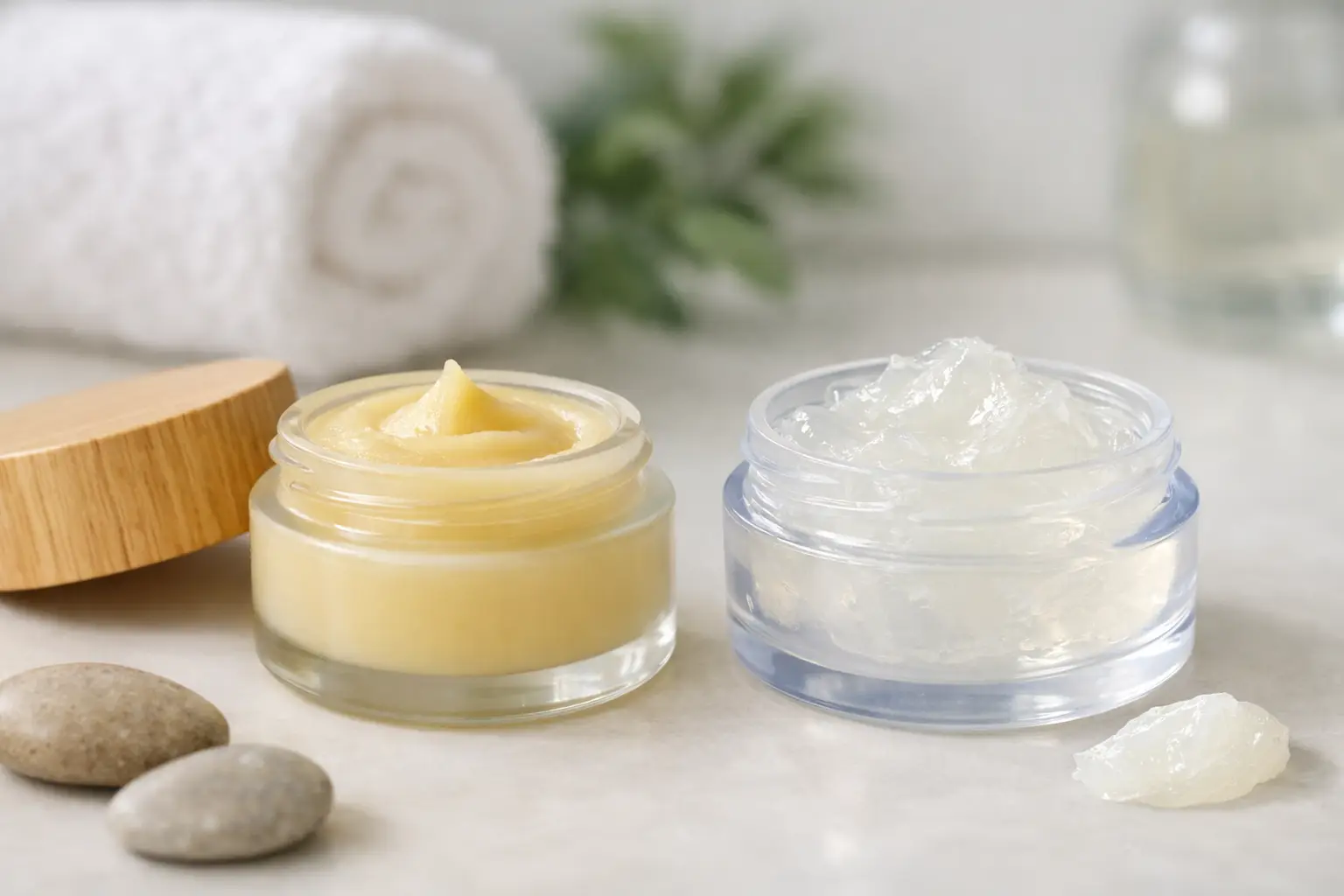
A long run can be derailed by a small patch of rubbing. The same goes for a warm-weather walk, a cycle commute, or a day in shorts when your inner thighs will not leave each other alone. In the petroleum free balm vs Vaseline debate, the best choice is not about following a skincare trend. It is about choosing protection that feels right on your skin and keeps working when movement, heat and sweat build up.
Both can reduce friction by creating a barrier between skin, fabric or footwear. But they do it differently, and those differences matter when you are trying to stay comfortable for more than a few minutes.
Petroleum free balm vs Vaseline: the key difference
Vaseline is a brand of petroleum jelly. Its main job is occlusion: it forms a dense layer over the skin that helps reduce moisture loss and can provide a slippery buffer where skin rubs. It is simple, widely available and familiar to many people.
A petroleum-free anti-chafe balm is a different type of product. Rather than relying on petroleum jelly, it uses a blend of waxes, butters and other ingredients selected to create glide and a protective layer. The exact feel, firmness and staying power depend on the formula, so petroleum-free balms should not all be treated as identical.
For active use, the practical question is this: does the product reduce drag without becoming overly greasy, disappearing too quickly, or making you feel uncomfortable in your kit? A good friction barrier should let your body move freely, not make you notice it all day.
Why friction prevention is more than moisturising
Chafing happens when repeated rubbing irritates the outer layer of skin. Sweat, salt, humidity, seams and rough fabric can make that rubbing more intense. Once skin is already sore, more movement can turn a mild hot spot into a painful distraction.
Moisturising and friction prevention can overlap, but they are not the same goal. A moisturiser is primarily designed to support dry skin. An anti-chafe product needs enough slip to reduce rubbing, enough grip to stay where it is applied, and a texture that works under pressure from clothing or footwear.
That is why a product that feels lovely on dry hands may not be the best option for a half marathon, a hike with a loaded pack, or a humid day spent walking around town. Performance comes down to what happens after the first hour, not just how the product feels when it leaves the stick or jar.
Where Vaseline can work well
Petroleum jelly has remained a household staple for good reason. It is thick, simple and effective at forming a barrier. For short, low-sweat activities, it may help protect areas prone to rubbing, such as the heels of new shoes or skin exposed to dry winter weather.
It can also be a sensible emergency option when you need something immediately and it is what you have available. If you are travelling, breaking in footwear, or dealing with a one-off rubbing point, petroleum jelly can offer useful short-term slip.
The trade-off is texture. Vaseline can feel heavy and greasy, especially in warm conditions. Some people find it transfers to clothing, attracts lint, or leaves their hands feeling slick after application. During long efforts, sweat and constant movement may also change how it sits on the skin. That does not make it ineffective, but it may make it less pleasant for people who want a cleaner, purpose-built feel.
When a petroleum-free balm may be the better fit
A petroleum-free balm is often the stronger choice for people who want a portable, less messy anti-chafe routine. Stick formats allow targeted application without coating your fingers, which is useful when you are getting ready in a changing room, at a race start, or from the passenger seat before a long drive.
Many active people also prefer a formula that is designed specifically around friction. A well-made balm should apply smoothly, create an invisible layer and remain comfortable beneath leggings, running shorts, cycling kit, socks or everyday clothing. The aim is not to feel coated. The aim is to forget the problem area exists.
Ingredient preferences matter too. Some people simply do not want petroleum in their personal-care products. Others look for cruelty-free options or avoid certain oils because they dislike the residue they leave on skin and fabric. Those are valid preferences, but performance should still lead the decision. Check how the balm applies, how it feels after sweating, and whether it performs for your particular activity.
Runglide RG Anti Chafe Balm is made for that focused job: reducing friction in the places that can interrupt your movement, without petroleum or oils. For runners, hikers and anyone tired of planning their clothing around chafing, a targeted stick can become as routine as putting on socks.
Consider the area you are protecting
The right choice can change depending on where you apply it. Inner-thigh chafing often needs a barrier that spreads evenly and stays comfortable as skin moves against skin. Underarms may need a lighter-feeling application, particularly if you are wearing fitted tops. For sports bras, chest straps and backpack contact points, staying power is usually the priority.
Feet are their own category. Blisters form through friction, heat and moisture, so preparation matters. Apply a friction barrier before putting on clean, well-fitting socks, then pay attention to footwear fit and any seam or insole that repeatedly causes a hot spot. No balm can fully compensate for shoes that are too small, too loose or rubbing in the wrong place.
For cycling, consider contact points such as inner thighs, shorts seams and areas where your kit creases during pedalling. For hiking, think beyond your feet: backpack straps, waistbands and the edges of technical clothing can all create problems over a full day outdoors.
How to get better results from any anti-chafe product
Application technique is simple, but it makes a difference. Start with clean, dry skin where possible. Apply before friction begins, rather than waiting until the area feels tender. If you are heading out for an especially long, wet or hot session, carry your chosen product so you can reapply when needed.
Pay attention to the places you usually forget. Common trouble spots include inner thighs, underarms, bra lines, waistbands, heels, toes and anywhere a strap or seam repeatedly presses. You do not need to apply it everywhere. Use it where your movement pattern, clothing and past experience tell you rubbing is most likely.
If your skin is already broken, very inflamed, swollen or showing signs of infection, pause the friction that caused it and seek appropriate medical advice. A prevention balm is for protecting intact skin and reducing future rubbing, not for ignoring a worsening injury.
Choosing based on your routine
Choose Vaseline if you want an inexpensive, basic barrier for occasional use and you do not mind a heavier, greasier finish. It can be a practical cupboard standby for short-term needs.
Choose a petroleum-free balm if regular movement is part of your life and you want a more targeted, portable option for runs, rides, gym sessions, long walks and daily comfort. Look for a formula that applies cleanly, feels comfortable under your clothing and matches your ingredient preferences.
There is no prize for suffering through a run because you thought chafing was just part of being active. Protect the areas that hold you back, move with confidence, and save your energy for the miles, climbs and everyday moments that matter.