

Blog
Can Friction Balm Clog Pores? What to Know

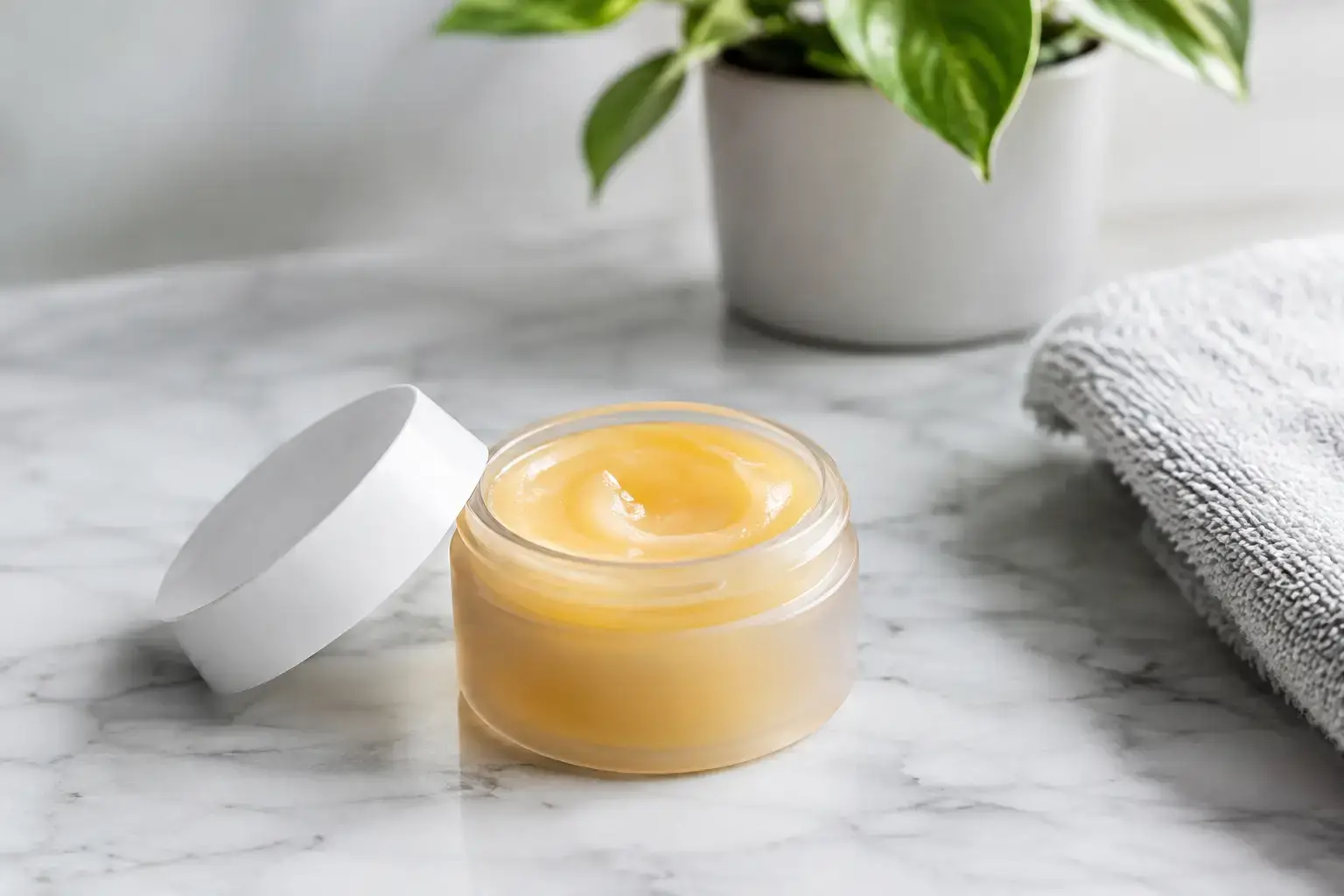
A long run, a humid hike or a day in cycling kit can leave you with a question that is more annoying than the chafe itself: can friction balm clog pores? The short answer is that it can, depending on the formula, where you apply it and how your skin behaves. But a well-chosen anti-chafe balm, used properly, does not automatically mean blocked pores or breakouts.
Friction balm is designed to create a protective glide layer between skin, clothing or equipment. That invisible armour can make the difference between finishing strong and cutting a session short. The goal is simple: protect high-friction areas without leaving skin feeling heavy, greasy or irritated.
Can friction balm clog pores?
Pores do not literally open and shut, but they can become congested when dead skin cells, excess sebum and certain product residues build up inside them. A balm may contribute to this process if it is very occlusive, overly rich for your skin type, applied in thick layers or left on sweaty skin for too long.
That does not make all balms pore-clogging. Comedogenicity – a product’s tendency to contribute to clogged pores – is not a simple yes-or-no label. Skin reacts to the whole formula, not just one ingredient. The amount used, the body area, your sweat level, tight clothing and your personal tendency towards acne all matter.
For most active people, friction balm is used on places that are less prone to facial-style breakouts: inner thighs, underarms, feet, bra lines, waistbands and anywhere kit rubs. These areas can still develop folliculitis or bumps, especially in warm weather, but preventing repeated rubbing may actually help the skin barrier stay calmer.
Why active skin can break out after exercise
It is easy to blame the balm when spots appear after a run or ride. Often, the picture is bigger. Sweat, heat, bacteria, repeated rubbing and close-fitting clothing create a challenging environment for skin. Add a product layer, then stay in damp kit after training, and congestion becomes more likely.
This is especially common on the chest, back, shoulders, groin and bum. These spots experience pressure from sports bras, base layers, backpack straps, cycling shorts and waist belts. The issue may be acne mechanica – breakouts aggravated by heat, sweat and friction – rather than a balm alone.
There is a useful trade-off here. Skipping anti-chafe protection might feel like the safer choice for pore-prone skin, but unprotected rubbing can cause redness, broken skin and irritation. The better approach is to reduce friction while keeping your post-activity skin routine straightforward.
Formula matters more than the word “balm”
Some traditional anti-chafe products rely on heavy petroleum-based bases or oily textures. These can be effective at reducing friction, but may feel too occlusive for people who are prone to body breakouts. Others use a lighter, plant-based wax and powder blend designed to form a smooth barrier without a slick, oily finish.
No ingredient is automatically bad for every person. Even ingredients that are generally well tolerated can cause trouble for an individual, particularly on acne-prone areas. Fragrance and essential oils may also irritate sensitive skin, which can look like a breakout even when pores are not actually blocked.
Look beyond marketing terms and focus on your own experience. A formula that stays put during a marathon may be ideal for your thighs, yet too rich for your chest. Your skin gets the final vote.
How to use anti-chafe balm without overloading skin
Start with clean, dry skin. Applying balm over old sweat, body lotion, sunscreen residue or yesterday’s product buildup makes it more likely that skin will feel congested. You do not need a thick coating either. A few light passes of a stick over the friction zone are usually enough to create glide.
Keep application targeted. Apply it where movement causes rubbing rather than covering broad areas “just in case”. For runners, that may be inner thighs, underarms, the waistband or bra line. For hikers, it could be heels, toes and pack-contact points. For cyclists, it may be specific contact areas affected by saddle or clothing friction.
Once you have finished, change out of damp kit as soon as practical and wash the area with a gentle cleanser. This matters more after long, sweaty sessions or hot-weather training. Scrubbing hard is not the answer – irritated skin needs calm care, not punishment.
If you use balm on the face or near the hairline, be more cautious. Facial skin often produces more sebum and is more likely to form whiteheads or blackheads. Friction balm is made for high-rub body zones, so use a product designed for facial skin if your concern is mask rub, helmet contact or facial chafing.
Test first if you are prone to breakouts
If your skin is reactive, patch test a small amount on the intended body area for several days before relying on it for an event. A patch test cannot predict every reaction, particularly during a sweaty race, but it can reveal obvious irritation or congestion.
Introduce one new product at a time. If you start a new balm, detergent, moisturiser and sports top in the same week, it becomes nearly impossible to work out what triggered the problem. Training is hard enough without playing detective with your kit bag.
Signs your balm routine needs adjusting
A few isolated spots do not necessarily mean your friction balm is the cause. Look for a pattern: new bumps appearing consistently in the exact areas where you apply it, worsening after each use, or settling when you stop. Small, itchy, uniform bumps may point to irritation or folliculitis rather than typical acne.
Try reducing the amount, applying only to essential friction points and cleansing soon after activity. You can also assess the fabric next to your skin. Breathable, clean kit that fits without digging in gives both your skin and your balm a better chance of doing their jobs.
If you develop painful, persistent, spreading or infected-looking bumps, stop using the product on that area and speak with a pharmacist, GP or dermatologist. Seek prompt medical advice for severe swelling, hives or difficulty breathing, which may indicate an allergic reaction.
The right protection should feel freeing
Anti-chafe balm should help you move with less distraction, not add a new concern to your routine. Runglide Anti Chafe Balm is made for targeted friction protection in a portable stick, helping active people cover the areas that need support before the miles begin.
The most skin-friendly routine is rarely complicated: begin with clean, dry skin, use only what you need, wear fresh breathable kit and wash after your session. When you match the formula and application to your own skin, you can protect vulnerable areas and keep moving with confidence. Your training deserves your attention – not the sting of chafe or the worry of what might happen afterwards.