

Blog
How to Stop Nipple Chafing for Good

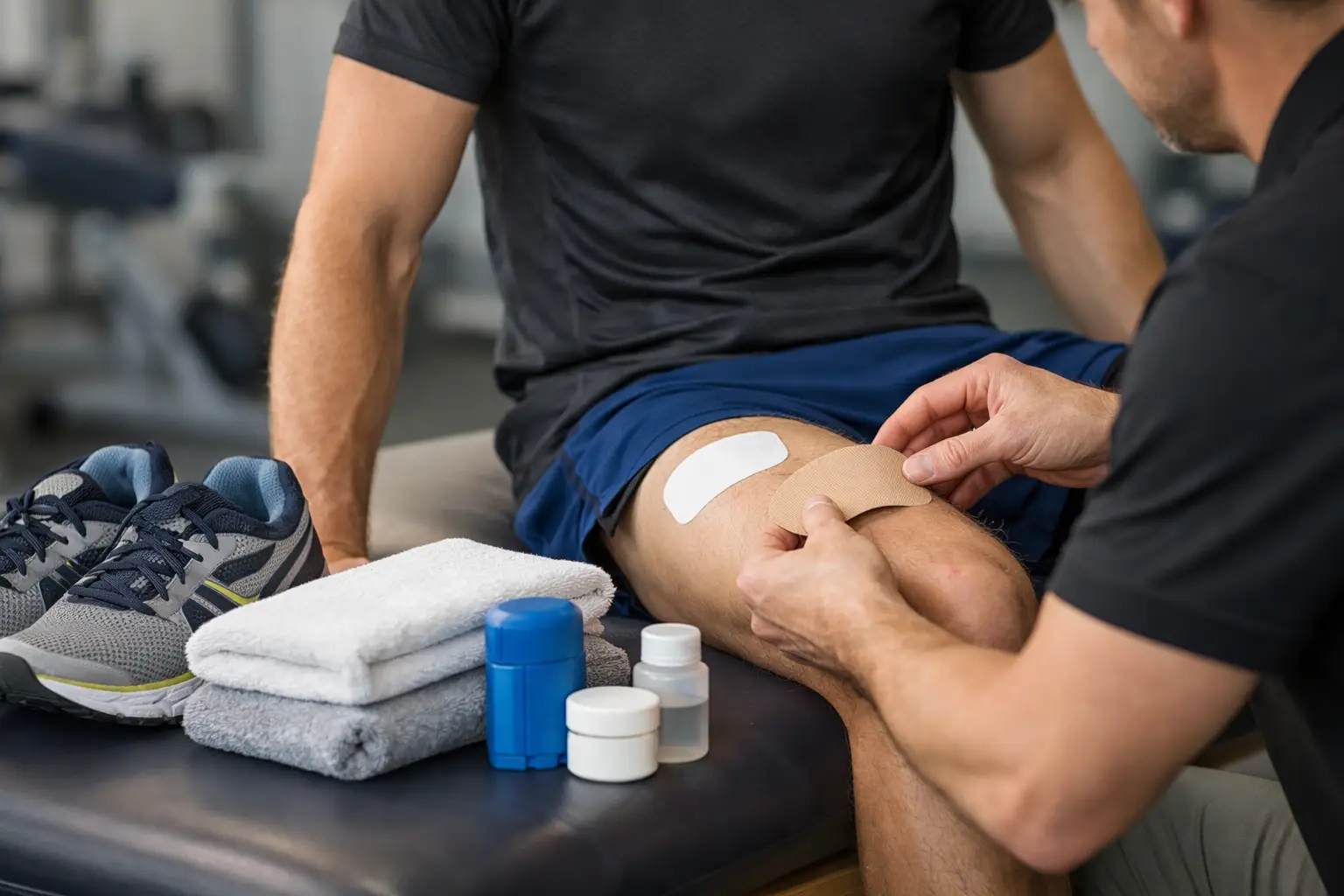
A run can feel brilliant right up until your shower, when water hits tender skin and makes you realise something has gone badly wrong. If you want to know how to stop nipple chafing, the answer is not tougher skin or putting up with it. It is reducing friction before sweat, fabric and repetitive movement get the chance to rub you raw.
Nipple chafing is common among runners, hikers, cyclists and anyone training in warm or wet conditions. It can happen on a short run, but it is most likely when you are out for longer, wearing a rough or loose top, or increasing your mileage. The good news: a few small changes can make a major difference to your comfort and confidence.
Why nipple chafing happens
Chafing is a friction problem. As your top moves against the skin with every stride, it creates repeated rubbing. Add sweat, rain or humidity and the skin softens, making it more vulnerable to irritation. Once the area is sore, even a soft T-shirt can feel unbearable.
It is often associated with male runners because an unstructured running top can rub directly across the chest. But anyone can experience nipple irritation, including people wearing sports bras, compression layers or backpack straps. A bra that fits poorly, has a rough seam or becomes saturated with sweat can create the same relentless friction.
Longer sessions raise the risk, but distance is not the only factor. Windy weather can make fabric flap. A new technical top may feel fine in the shop but become abrasive once wet. Body shape, sweating patterns and running form all play a part. This is why the best prevention plan is personal: protect the skin, then test your kit before race day.
How to stop nipple chafing before it starts
The most reliable approach is to create a barrier between your skin and your clothing. Apply an anti-chafe balm directly over and around the nipple before you get dressed, especially for long runs, races, hikes and hot-weather sessions. The aim is to let fabric glide rather than drag.
A portable balm stick makes this easy to build into your pre-run routine. Runglide RG Anti Chafe Balm is designed to reduce skin-on-fabric friction without petroleum or oils, so you can apply a targeted layer where you need protection and get moving. If your session is particularly long, carrying it for a mid-activity top-up can be worthwhile.
Do not wait until you have a familiar sting halfway through a run. By then, friction has already damaged the surface of the skin. Think of anti-chafe protection as part of your kit, like socks, hydration or sun cream: a small preparation that keeps a manageable problem from becoming an activity-ending one.
Choose tops that stay put
Your top should fit close enough to minimise movement, but not so tightly that it feels restrictive. Look for smooth, soft fabrics and flat seams around the chest. A top that is comfortable for an easy 5K may still be the wrong choice for a half marathon, so test it during a longer training run.
Some runners prefer a lightweight fitted base layer under a looser shirt. Others find that one well-fitting technical top is cooler and causes less rubbing. There is no universal winner. What matters is whether the fabric stays stable when you are sweating and moving at your normal pace.
Avoid cotton for endurance sessions where possible. Cotton absorbs sweat, stays wet and can become heavier and rougher over time. Moisture-wicking fabrics are usually a better choice, although “technical” does not automatically mean chafe-proof. Check the seams and feel the inside of the garment with your hand before committing to a long outing.
Use tape or covers when they suit you
Nipple tape, adhesive covers and plasters can work well, particularly for runners who know exactly where their rubbing occurs. They create a physical shield and can be useful for a race, a long trail day or a one-off event.
The trade-off is adhesion. Sweat, body hair and rain can cause tape to lift or roll at the edges, and removing a strongly adhesive product may irritate already sensitive skin. If you use tape, try it on a training run first. Apply it to clean, dry skin and take it off gently after your session.
For some people, a balm is more comfortable for regular use because there is nothing to peel away afterwards. Others prefer tape for high-sweat events. You can also combine approaches when conditions demand it, but only after testing the combination in training.
Check sports bra fit and construction
If you wear a sports bra, nipple chafing can signal that the fit or fabric is not working for your body. The bra should feel supportive without digging in, shifting or leaving deep marks. Pay attention to seams, moulded cups, removable pads and the edge of the underband, as each can become a rubbing point over distance.
Wash sports bras promptly after hard sessions. Dried sweat and detergent residue can make fabric less comfortable next time. If chafing appears only with one bra, retire it from long-run duty rather than hoping it will improve on race day.
Prevent chafing during long runs and races
For runs lasting more than an hour, or any event where weather could change, plan for friction rather than assuming your usual set-up will hold. Heat, rain and fatigue all make skin more susceptible. A top that is fine for the first 45 minutes can become a problem later.
Start dry where you can. Put on your protective layer before sweat begins, and do not wear a damp top from an earlier session. If you are running in rain, choose close-fitting kit and consider a more substantial barrier than you would use in dry conditions.
During an event, act early if you notice heat, tingling or a specific rubbing sensation. A quick toilet-stop adjustment, reapplication of balm or change of top can save the rest of your day. Ignoring the first warning signs is how mild irritation turns into broken skin and a painful finish.
Also be cautious with brand-new race kit. Fresh shoes get most of the attention, but a new vest, shirt or bra can cause just as much trouble. Wear familiar, tested clothing on event day. The goal is to focus on your pace, the route and the finish – not the sting building under your top.
What to do if your nipples are already chafed
Stop the rubbing first. Change out of sweaty clothing as soon as you can and rinse the area gently with clean, lukewarm water. Avoid scrubbing, fragranced body wash or a rough towel. Pat dry instead.
If the skin is intact but red and tender, give it a break from friction until it settles. Wear loose, soft clothing and avoid another long session that will rub the same area. A simple, fragrance-free moisturising product may help keep dry, irritated skin comfortable, but avoid experimenting with heavily scented formulas.
If skin is broken, clean it gently and cover it with a sterile non-stick dressing if clothing will continue to rub. Skip swimming pools, hot tubs and activities that may introduce extra irritation until the area has healed. Do not apply anti-chafe balm to open or infected-looking skin unless the product directions specifically say it is suitable.
Seek advice from a pharmacist or healthcare professional if there is spreading redness, warmth, swelling, pus, fever, severe pain or no improvement after a few days. These can be signs that the irritation needs more than home care. Persistent nipple changes that are not clearly related to friction should also be checked rather than self-diagnosed as chafing.
Make protection part of your routine
The best chafe prevention is boringly consistent. Keep your balm with your running shoes, test tops on long runs, and notice which weather conditions make you more prone to rubbing. That small amount of preparation is far easier than taking days off because a shower or T-shirt has become painful.
Your training should challenge your lungs, legs and mindset – not punish your skin. Protect the areas that work hardest in the background, and you can keep showing up comfortably for the miles that matter.