

Blog
Inner Arm Chafing Relief That Keeps You Moving

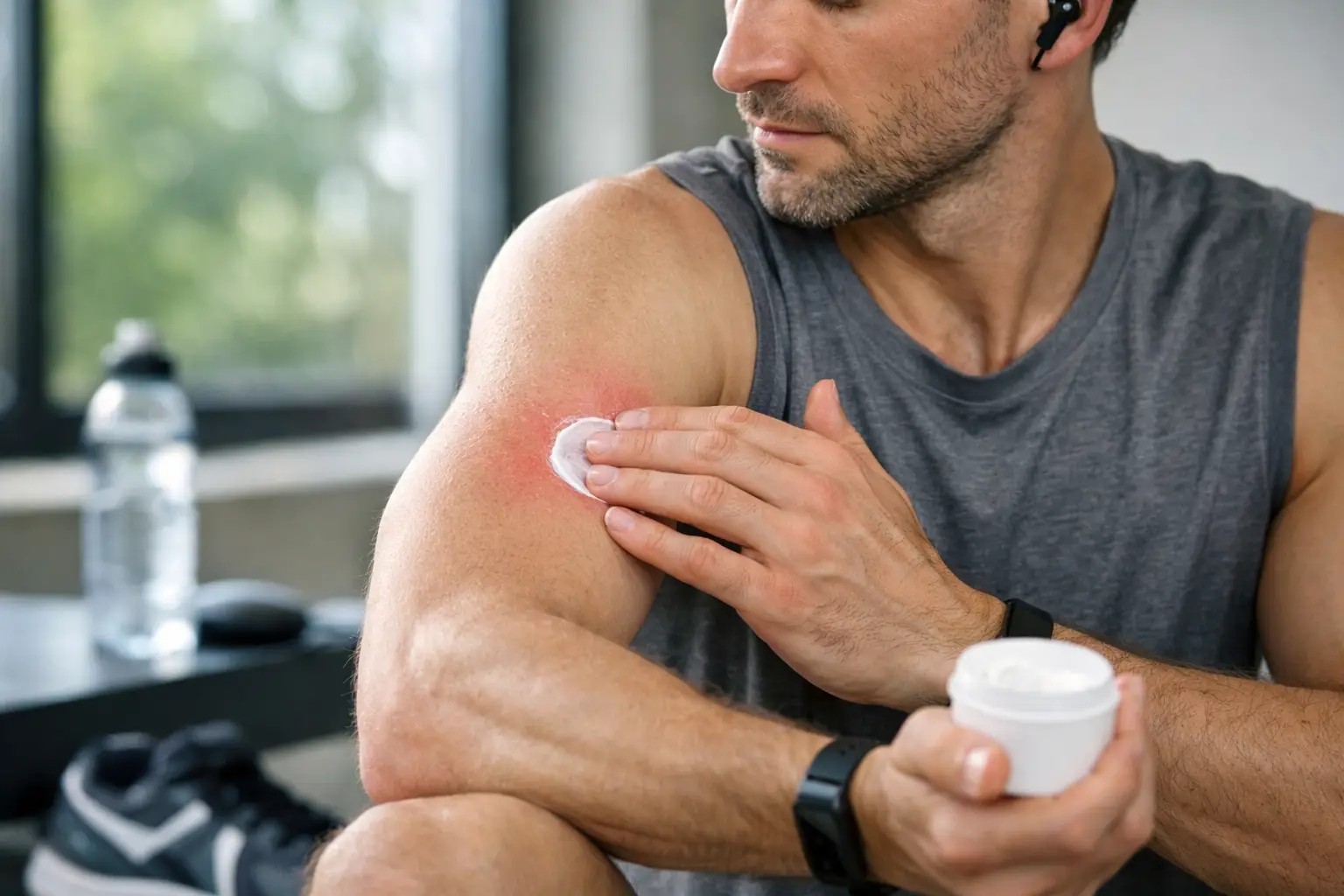
That hot, raw patch where your upper arm meets your torso can turn an easy run, a gym session or a warm commute into a distraction. Effective inner arm chafing relief starts by stopping the rubbing quickly, then giving your skin the conditions it needs to settle. You do not have to accept discomfort as the price of moving more.
Inner-arm chafing is common, whether you are training for distance, carrying shopping, walking in a sleeveless top or simply dealing with humid weather. The solution is usually straightforward, but timing matters: treat irritated skin gently now and build friction protection into your routine before the next session.
Why inner arm chafing happens
Chafing is skin damage caused by repeated friction. At the inner arms, that friction often comes from the arm brushing against the side of the chest, especially as sweat builds up. Damp skin is softer and more vulnerable, while salt in sweat can make a mild rub feel much sharper.
Fit and fabric play a major role. Loose armholes may move against the skin with every stride, while rough seams, stiff synthetic fabrics or a poorly fitted sports bra can create a consistent pressure point. Body shape, arm swing and workout duration all affect where friction develops, so the same kit can feel fine for a short walk and uncomfortable on a long run.
Warm weather is not the only trigger. Indoor training, layered winter kit and repetitive movement at work can all create heat and moisture. The aim is not to eliminate movement. It is to reduce the drag that makes movement painful.
Fast inner arm chafing relief for sore skin
When the skin is already irritated, think comfort first. End or adapt the activity if the area is stinging. Continuing to rub broken skin can deepen the irritation and make recovery take longer.
Gently rinse the area with cool or lukewarm water and a mild cleanser if needed. Pat it dry with a soft towel rather than rubbing. A cool, clean compress can reduce that burning sensation for a few minutes. Wear loose, breathable clothing until the skin no longer feels tender.
Avoid experimenting with fragranced body products, harsh exfoliants or strong deodorants near the affected area. They may be fine on intact skin but can sting when the skin barrier is compromised. If a product makes the area burn more, wash it off and keep your routine simple.
It is tempting to cover every sore patch immediately with a friction balm. That is usually most useful when skin is intact or nearly recovered and you are preparing to move again. On open, bleeding or weeping skin, protect the area from further rubbing and follow the advice on any product you use. If you notice spreading redness, warmth, swelling, pus, fever, severe pain or a rash that does not improve, speak to a pharmacist or healthcare professional. Chafing should settle, not steadily worsen.
Prevent the rub before it starts
The best relief is often prevention applied before your first mile, set or step. Friction barriers create a smooth layer between skin and skin, or skin and fabric, so your arm can move without the same repetitive drag.
Apply an anti-chafe balm to clean, dry skin over the zones that usually rub. For inner-arm chafing, that may be the underside of the upper arm and the side of the torso, rather than one tiny spot. Use enough for an even, light coating, then allow your clothing to sit naturally over it. Reapply for longer sessions, heavy sweating, swimming or any activity where you know your first application will wear away.
A portable stick makes this easy to do before a run or keep in a kit bag for later in the day. Runglide RG Anti Chafe Balm is designed as a practical friction barrier for training and everyday movement, without petroleum or oils, so protection can become as routine as lacing up your shoes.
There is a small trade-off: more product is not always better. An overly thick layer can feel noticeable, attract lint or transfer to fabric. Start with a smooth, consistent application and adjust based on the distance, weather and how much you sweat.
Choose kit that moves with you
Your clothing should support your movement, not sandpaper it. Look at the exact place irritation appears. If chafing is under the arm, inspect the armhole, side seam and any label or bonded edge nearby. A seam that seems insignificant when standing still may become a problem after thousands of arm swings.
Soft, moisture-managing fabrics can help, but fabric labels alone do not guarantee comfort. Some technical materials trap heat for certain people, and a top with a high synthetic content may feel rough once it is soaked. Test new kit on a shorter session before trusting it for a race, hike or long day outdoors.
Fit is equally personal. A closer-fitting technical top can reduce fabric movement, but if it is too tight it may press a seam directly into the skin. A looser vest improves airflow but can increase skin-on-skin contact. Try a few arm movements in the changing room: reach overhead, swing your arms and twist through the torso. Comfort should hold up in motion, not only in the mirror.
Wash training kit promptly after use. Dried sweat, detergent residue and old fabric softener can make clothing less pleasant against the skin. If you are sensitive, choose a gentle detergent and rinse thoroughly.
Adjust your plan while skin recovers
A sore patch does not always mean abandoning exercise, but it may mean changing the session. Lower-impact movement, a shorter route, cooler conditions or a different top can give the area time to recover. If the skin hurts with each arm swing, pushing through is rarely the tough choice. It is usually the choice that delays your return.
Pay attention to patterns. Does it happen only on long runs? On humid days? With one particular vest, backpack strap or sports bra? A quick note on your phone after a session can reveal the trigger faster than guessing. Once you know the pattern, prevention becomes predictable rather than reactive.
Hydration and airflow can help, too. They will not replace a friction barrier or better-fitting kit, but staying cooler and changing out of damp clothing soon after training reduces the conditions chafing thrives on. On holiday, at a festival or during a long travel day, keep the same principle in mind: heat, moisture and repetitive movement deserve a little preparation.
When chafing keeps coming back
Repeated irritation in exactly the same place is a sign to investigate, not just reapply. Check whether a seam has worn rough, whether your body composition or training volume has changed, or whether an underlayer is bunching as you move. Sometimes the fix is switching one garment. Sometimes it is combining better kit with a balm before activity.
If the skin does not improve despite removing friction, or if you are unsure whether it is chafing rather than another skin condition, get professional advice. A reliable routine should leave you thinking about your training, your route or your next goal – not the painful patch under your arm.
Your body gives useful feedback. Listen early, protect the areas that work hardest and keep moving with the comfort to enjoy it.