

Blog
Choosing Women-Specific Anti-Chafe: What Matters

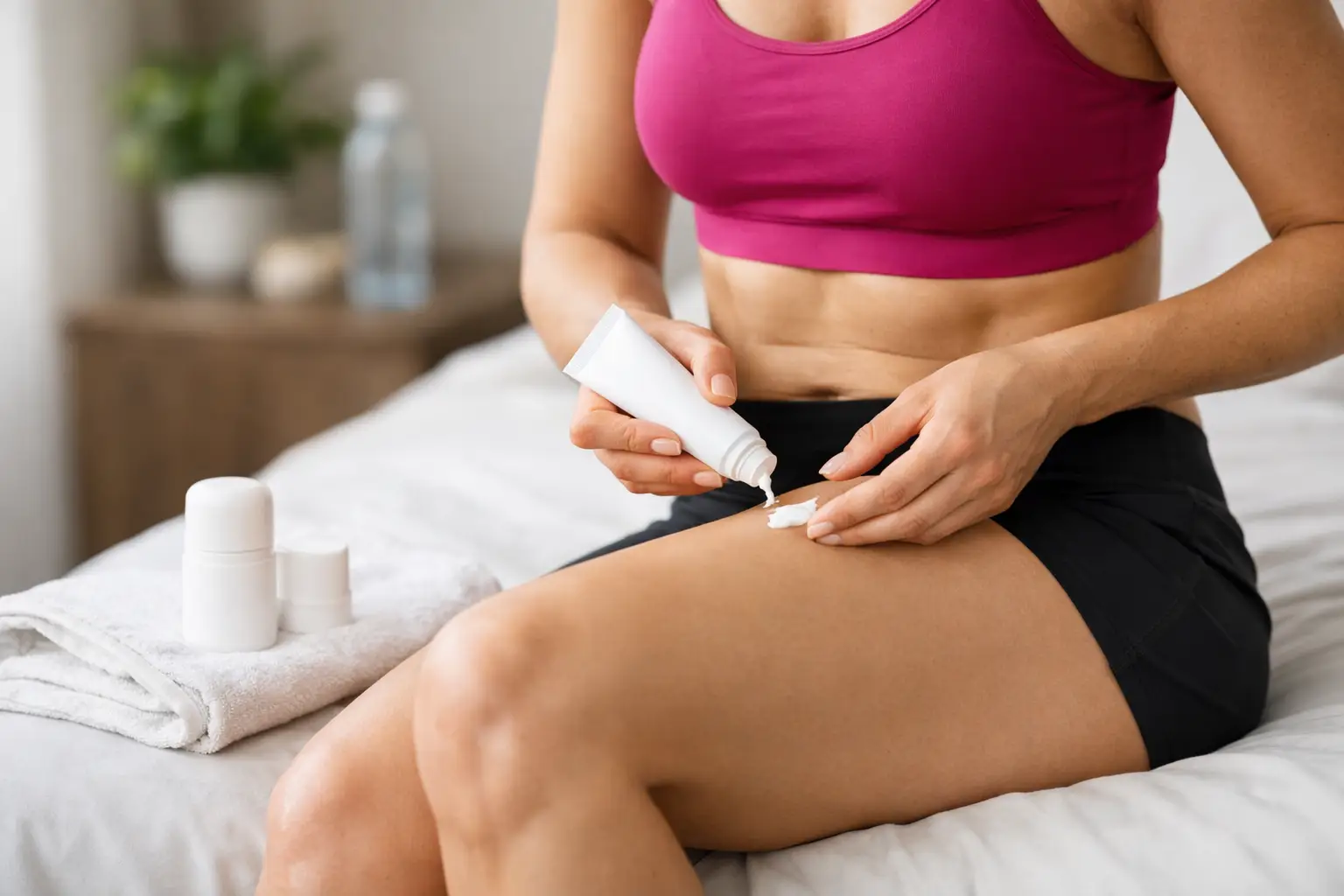
That hot, stinging patch on an inner thigh or beneath a sports bra can turn a good session into a countdown to the finish. Choosing women-specific anti-chafe protection is less about adding another product to your kit bag and more about removing a distraction that should never dictate your pace, route or outfit.
Friction is personal. The right balm should feel like invisible armour: dependable through a long run, comfortable under everyday clothes and easy to reapply when heat, distance and movement are working against your skin.
Why choose women-specific anti-chafe?
Women-specific anti-chafe products are designed with the places, fabrics and routines that commonly create friction for women in mind. Inner thighs are a familiar concern, but they are not the only one. Sports bra bands, under-bust skin, waistbands, bikini lines, underarms and the backs of heels can all become sore when sweat, seams and repeated movement combine.
A women-specific option may also suit people who want an ingredient profile that feels considered for sensitive, easily irritated skin. That does not mean every woman needs a separate formula, or that a unisex balm cannot work brilliantly. Skin tolerance, activity and clothing matter more than a label alone. The value is in having a purposeful option that addresses common friction zones without asking you to compromise on performance.
Think about the activity you are protecting, not just the chafe you are trying to stop. A ten-kilometre run in humid weather creates different demands from a city walk in a skirt, a day hike with a loaded pack or a spin class in fitted shorts.
Start with where and when you chafe
The most useful choice begins with an honest look at your friction pattern. If your thighs rub during summer walks, you need a balm that spreads comfortably over a larger area and stays put as you move. If a bra band causes trouble on long runs, you need precise application around the edge of the garment, before sweat makes the skin more vulnerable.
Foot friction needs its own attention. Blisters often form where socks bunch, shoes rub or feet swell after several miles. Apply balm to clean, dry skin at known pressure points such as heels, toes and the sides of the foot. If a shoe fit is fundamentally wrong, balm can reduce rubbing but cannot fully solve the problem. Pair protection with socks that suit your activity and footwear with enough room for natural foot expansion.
Timing matters too. Apply before discomfort starts, rather than waiting for a warm spot. Once skin is already raw, the priority is to let it recover and avoid anything that causes further irritation. Prevention is what allows you to train, travel and move with confidence.
Your clothing is part of the equation
The same body can chafe differently in different kit. Rough seams, damp fabric, loose shorts, underwear edges and compression garments can all change the pressure on your skin. Before a race, hiking holiday or a new gym routine, test your full clothing set on a shorter session.
This is especially helpful when buying new leggings, a new sports bra or cycling shorts. A garment can feel perfect in the changing room, then reveal a rubbing point after forty minutes of repetitive movement. The balm you choose should fit easily into that trial-and-adjust process.
What to look for in a women-specific anti-chafe balm
A good anti-chafe balm creates a protective barrier between skin, fabric and skin-on-skin contact. It should glide on without pulling at the skin, then remain effective when your body warms up. The goal is not a heavy, noticeable layer. It is protection you can forget about once you start moving.
Look closely at how the formula feels as well as what it claims to do. Some people prefer a dry, non-greasy finish under fitted activewear. Others prioritise long-lasting coverage for endurance events and exposed areas such as inner thighs. If you are prone to irritation, a simple formula and a patch test on a small area can be sensible before using any new product across the body.
For many active people, petroleum-free and oil-free options are appealing because they are comfortable for daily use and less likely to leave clothing feeling slick. Cruelty-free credentials may matter too. These are personal preferences, but they are worth considering when you are choosing something you will use regularly.
The format is practical, not trivial. A stick makes targeted application quick, clean and portable. You can keep one in a running belt, work bag or hand luggage without turning preparation into a faff. For busy mornings, that convenience can be the difference between using protection consistently and remembering only after the first sting.
Runglide’s women-specific anti-chafe balm is made for that kind of everyday readiness: a straightforward layer of protection for training, errands, travel and the moments when friction tries to interrupt your plans.
Choosing women-specific anti-chafe for your routine
There is no single best formula for every person or every workout. Choose according to the conditions you face most often, then keep a portable stick for the situations that catch you out.
For runners, focus on high-repeat areas. Thighs, bra lines, underarms, waistbands and feet deserve attention before longer runs, races or warm-weather sessions. Apply more deliberately when you know you will be sweating heavily, running in rain or wearing a new kit combination.
For hikers, durability and coverage are usually the priority. Pack straps can rub at the shoulders, waist belts can irritate the hips, and wet socks increase the chance of blisters. Apply before you set off, not halfway up the trail when the damage has started. Carrying your balm means you can top up after changing socks, clothing or weather layers.
For cyclists, think about the contact points created by the saddle and shorts. A balm can help reduce discomfort where skin and fabric repeatedly move together, though it should sit alongside well-fitting cycling shorts and a saddle setup that suits you. Persistent pain, numbness or broken skin is not something to push through. Adjusting your kit or seeking professional advice may be the smarter performance decision.
For daily comfort, use the same approach without the performance pressure. A hot commute, a wedding, sightseeing on holiday or a long day on your feet can create the same friction as a workout. Apply to clean, dry skin before getting dressed, especially when bare thighs, skirts, dresses or warm conditions are involved.
Do not confuse protection with treatment
Anti-chafe balm is for preventing friction and helping protect intact skin. If you have open, bleeding, infected or severely inflamed skin, pause your normal routine and give the area appropriate care. Signs such as spreading redness, swelling, heat, pus or pain that does not settle deserve medical advice.
There is also a useful distinction between a product not lasting long enough and applying too little. Start with a light, even layer over the whole friction zone, not just the centre of where you expect rubbing. During an ultra-distance event, a long hike or a very hot day, reapplication may be necessary. That is normal maintenance, not failure.
Make prevention part of your pre-movement ritual
The best anti-chafe strategy is the one you will actually repeat. Keep your balm beside your trainers, with your cycling kit or near the door with your essentials. Apply it while you are putting on socks, checking the weather or filling your water bottle. It takes seconds, and it gives your skin a better chance of keeping up with your ambition.
Comfort is not a luxury reserved for easy days. When you choose protection that suits your body, your clothes and your movement, you can put your attention where it belongs: on the miles ahead, the view from the trail, or simply enjoying a day without rubbing holding you back.