

Blog
Friction Protection for Gym Beginners Guide

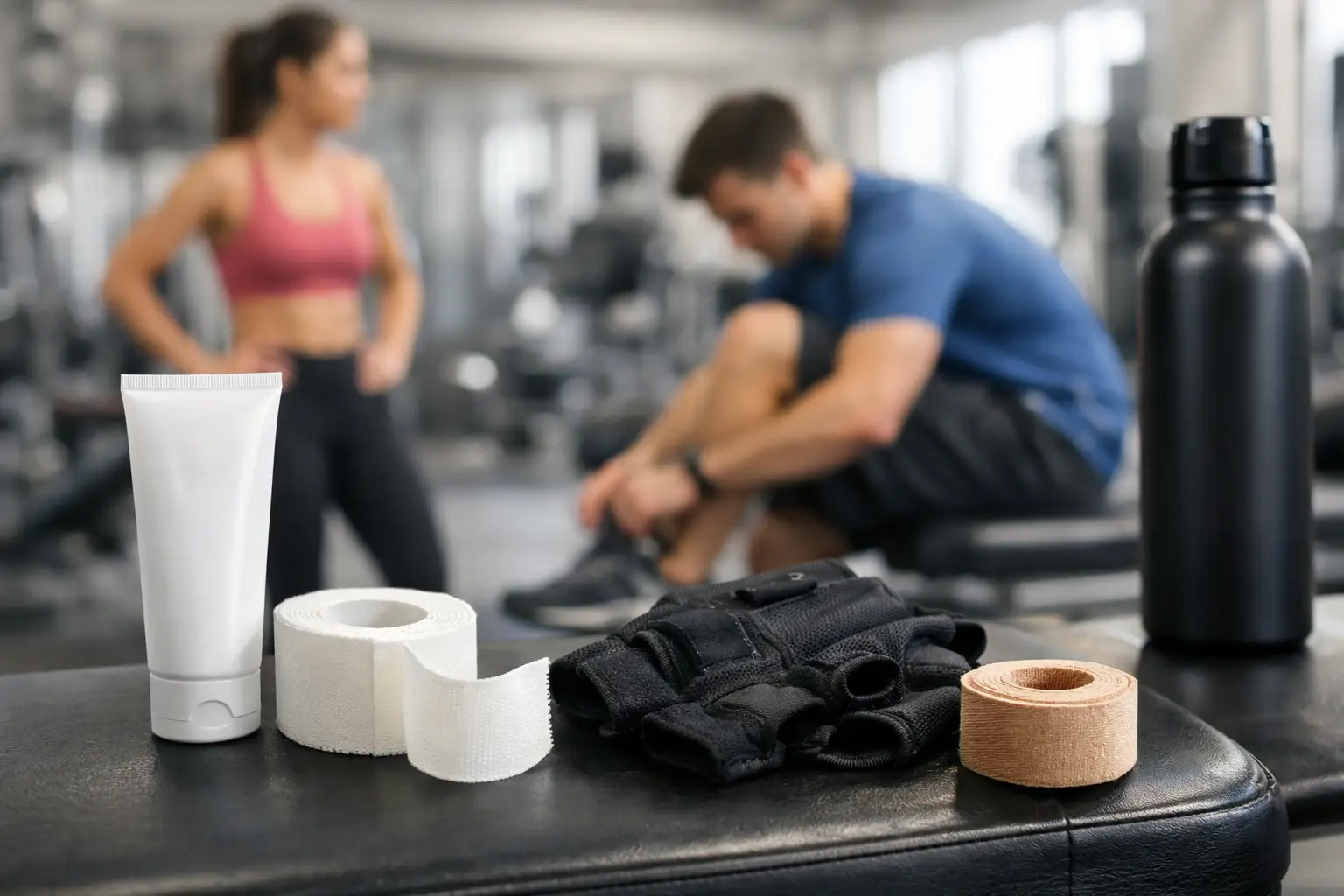
The first few gym sessions can leave you feeling brilliantly accomplished – until a hot spot on your heel, rubbing under your arms or sore inner thighs makes the next workout feel less appealing. This friction protection for gym beginners guide is about stopping those small, preventable problems before they interrupt your momentum. Your focus should be learning the movements, building confidence and enjoying the progress, not enduring discomfort.
Friction is not a sign that you are unfit or doing something wrong. It is simply what happens when skin, fabric, footwear or equipment repeatedly rub together, especially when heat and sweat enter the picture. A few practical choices can give you the comfort to show up consistently.
Why gym beginners get chafing and blisters
A new routine changes more than your fitness. You may be walking further through the day, wearing different trainers, trying a spin class, using a rowing machine or spending longer in close-fitting gym clothes. Your skin and feet are adapting at the same time as your muscles.
Sweat makes skin softer and more vulnerable to rubbing. Repeated movement then creates irritation, hot spots or blisters. Tight clothing can pinch, while loose fabric can bunch and rub. Even well-reviewed trainers can cause problems if their fit, socks or lacing do not work for your feet.
The answer is not to avoid sweat or buy an entirely new gym wardrobe. It is to identify your own friction points and protect them before they become painful. That is a far easier habit to build than trying to train around already irritated skin.
Friction protection for gym beginners: know your hot spots
Everyone moves differently, so the areas that need attention vary. Pay attention after your first few workouts. Mild warmth, tenderness or a patch of redness is useful feedback. It tells you where to make a small adjustment next time.
Inner thighs and groin
Walking on a treadmill, using the cross trainer, cycling and lower-body sessions can all create skin-on-skin friction around the inner thighs. This is particularly common in warmer weather, during longer sessions or when you wear shorts that ride up.
Choose shorts or leggings that stay in place through squats, lunges and walking. If inner-thigh rubbing is already familiar, apply an anti-chafe balm to clean, dry skin before getting dressed. A protective layer helps reduce the drag that causes irritation without asking you to change how you move.
Underarms, chest and sports-bra lines
Arm swings on the treadmill, rowing strokes and high-repetition conditioning can make seams surprisingly noticeable. Underarm chafing often comes from a top that is too loose, too tight or soaked with sweat. Sports-bra bands can also rub during running, jumping or fast-paced circuits.
Try your kit through a short workout before relying on it for a longer class. A smooth, supportive fit usually beats fabric that constantly shifts. If a particular seam consistently rubs, protect the skin beneath it before training rather than waiting for the sting to start.
Feet, toes and heels
Gym beginners often blame blisters on new trainers alone, but footwear is only one part of the equation. Socks, moisture, foot shape, lacing and the type of exercise matter too. A trainer that feels perfect while standing can rub when you incline-walk, squat or cycle.
Wear clean, moisture-managing socks that fit snugly without folding around the heel or toes. Make sure your trainers have enough room for your toes to spread, but not so much that your foot slides. Before a session with lots of walking, running or jumping, apply anti-blister protection to known rubbing points such as heels, toes and the sides of the feet.
Hands and equipment contact points
Weights, pull-up bars, rowing handles and kettlebells can all create rubbing on the palms and fingers. Some skin adaptation is normal when you begin lifting, but torn calluses are not a rite of passage. Start with manageable volume, keep your grip technique tidy and avoid gripping harder than needed.
Gloves can help some people, especially with rough handles, but they can also alter grip and create extra bulk. If you use them, choose a close fit and test them on shorter sets first.
Build protection into your pre-gym routine
The most effective time to deal with friction is before the warm-up. It takes less than a minute and removes one more reason to cut a session short.
Start with clean, dry skin. Apply your balm directly to areas that commonly rub: inner thighs, underarms, bra lines, waistband edges, heels or toes. You do not need to coat every inch of skin. Target the places where repeated contact happens.
A portable stick is useful because it makes this routine easy to repeat at home, in the changing room or before a walk to the gym. Runglide RG Anti Chafe Balm is designed as an invisible armour against skin friction, with a convenient, petroleum-free stick format that fits naturally into an active routine.
Then check the basics. Smooth your socks, tie your laces securely and make sure your clothing is sitting where it should. These small checks matter more than expensive kit when you are starting out.
Choose gym clothing for movement, not mirrors
Gym clothing should help you forget about what you are wearing. Look for soft seams, breathable fabrics and a fit that lets you move freely through your full range of motion. The right choice depends on your workout: fitted shorts may feel better for cycling, while a relaxed top might suit strength training. Neither is automatically better if it causes rubbing.
Avoid cotton socks for sweat-heavy training where possible, as they can hold moisture against the skin. For tops and bottoms, the key is not a specific fabric label but how the garment performs when warm and in motion. Do a squat, raise your arms and walk around before removing the tags.
Fresh kit also matters. Dried sweat and residue can make fabric feel rougher, while damp clothes encourage more rubbing. Change out of sweaty gym wear soon after training and wash it according to the care label.
Match protection to the workout you are doing
A gentle weights session may only require attention to footwear and hands. A treadmill run, HIIT class or indoor cycling session puts more repetition into every minute, so friction protection becomes more valuable. As your sessions get longer, the chance of rubbing rises too.
This does not mean you need a complicated routine. It means planning for the activity ahead. If you are trying a new class, expect a period of learning. Bring water, wear kit you have tested and protect the areas most likely to be affected. You can refine your setup after each session.
Be especially proactive when returning after a break. Your fitness may come back quickly, but your skin can still be unaccustomed to longer runs, walks or cycling time. Give it a little support while your routine settles in.
If friction has already started
Do not ignore a hot spot because you think it is too minor to matter. Stop or modify the movement if pain is increasing. Continuing to rub irritated skin can turn a manageable issue into something that makes ordinary movement uncomfortable.
After training, gently clean and dry the area. Let irritated skin recover and choose loose, non-rubbing clothing where possible. Avoid applying friction products to broken or infected skin, and seek advice from a healthcare professional if you have severe pain, spreading redness, swelling, discharge or a blister that shows signs of infection.
For your next session, work backwards. Was it a damp sock, a seam, a trainer that slipped, a longer-than-usual workout or an unprotected skin-on-skin area? One clear adjustment is often enough to make a real difference.
Keep your momentum comfortable
The best beginner routine is the one you can repeat. Protecting your skin is not an extra step for elite athletes – it is practical preparation for anyone who wants to train, walk, lift, cycle or run without friction calling the shots. Learn your hot spots, prepare before you move and let each session build confidence rather than discomfort.